







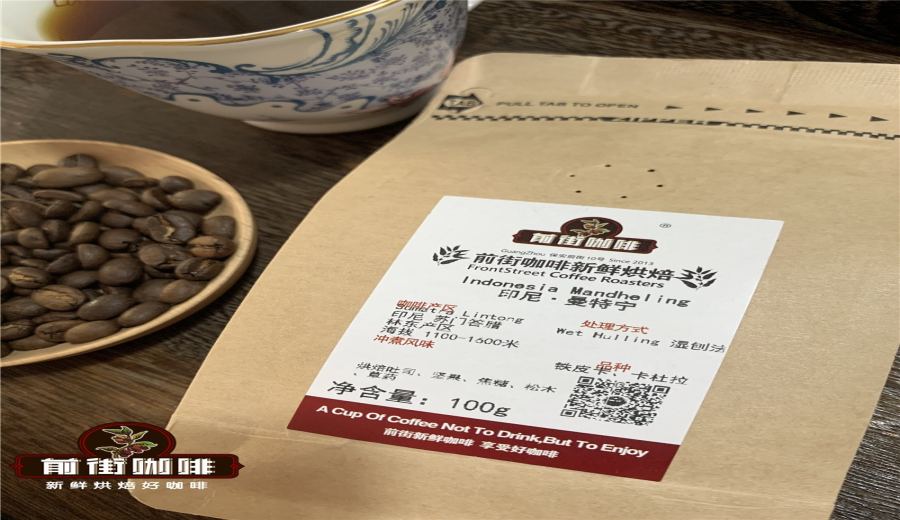
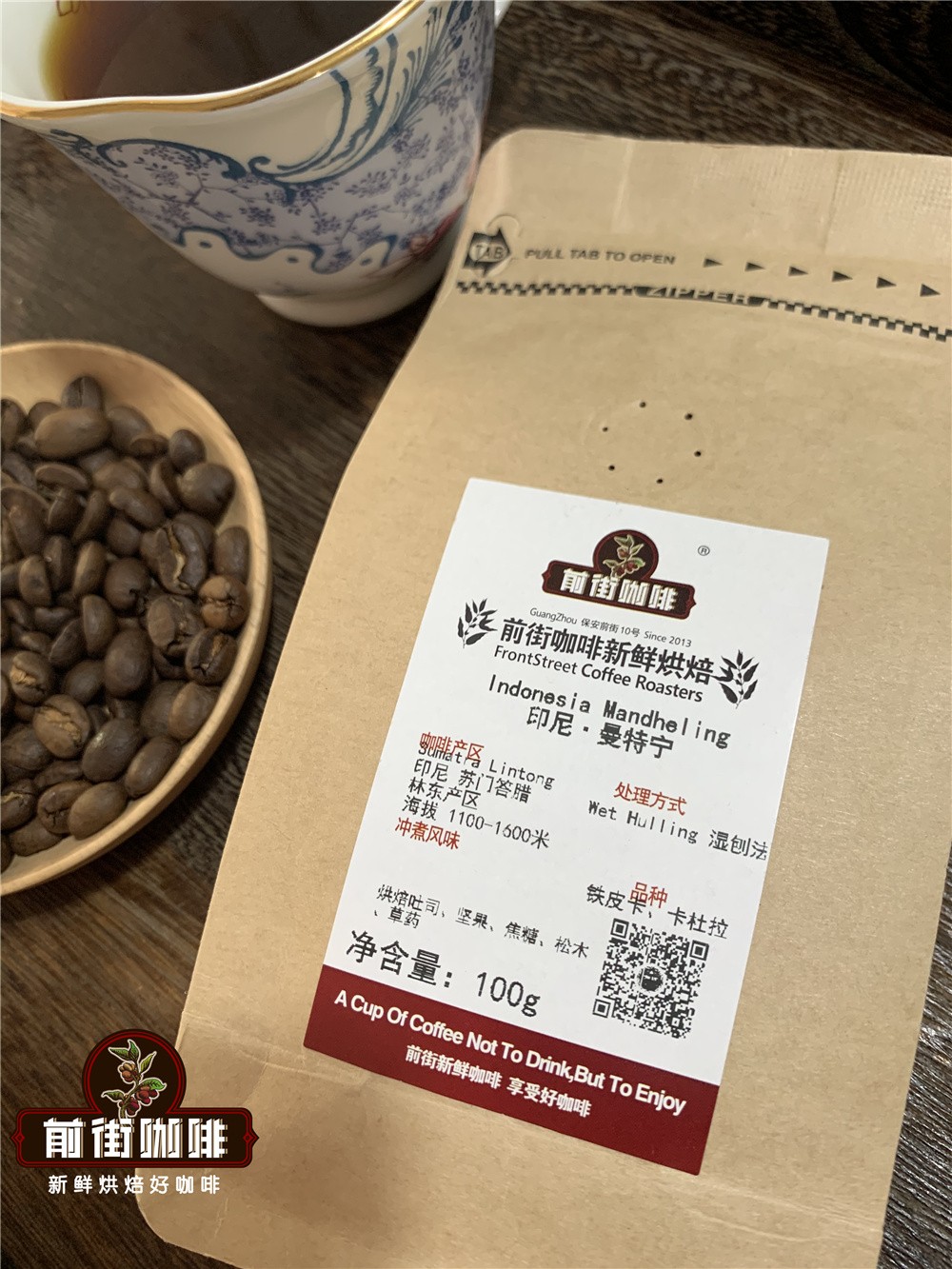
Introduction:Indonesian Mandheling coffee is renowned for its rich herbal aroma and full-bodied flavor, with its unique characteristics primarily stemming from the local wet-hulling processing method. This article delves into the operational steps and principles of wet hulling, compares it with the more common washed process, explores how Indonesia’s high-humidity climate influences processing choices, and details the official grading standards for Indonesian coffee to help readers assess quality based on defect rates and bean appearance. Real-life examples such as Lintong’s everyday-grade beans and Aceh PWN Golden Mandheling are included to provide practical insights for selection and brewing.
When it comes to Mandheling coffee, many people first think of its distinctive herbal aroma, paired with a full body and a slightly smoky aftertaste. The formation of this flavor profile is inseparable from Indonesia’s unique wet-hulling technique. What exactly makes wet hulling special? How does it differ from the typical washed process? Why did Indonesia develop this particular method? This article will fully break down the wet-hulling process, analyze the key factors behind Mandheling’s signature flavors, and explain Indonesia’s official green coffee grading system.
Indonesia has a typical tropical rainforest climate, with high temperatures and humidity year-round, limited sunlight, and air humidity consistently maintained between 70% and 90%. Under such conditions, relying solely on traditional sun drying to process coffee beans is extremely difficult. Take Sumatra Island, for example—the weather is highly variable, and even when using the washed method, it is often hard to find a solid week of stable sunny days to complete the drying process. It is precisely under these challenges that wet hulling emerged. After completing the washed fermentation, this method first allows the parchment-covered coffee beans to undergo 1–2 days of initial sun drying until their moisture content drops to 30%–50%, reaching a semi-dry state, before removing the parchment to continue drying. This innovative approach significantly shortens the overall processing time while ensuring the stability of coffee quality.
The complete wet-hulling process begins with the careful selection of ripe coffee cherries. The first step is flotation, where lower-density defective cherries are screened out. Next, the outer skin and pulp are removed, and the mucilage-covered coffee beans are placed in water tanks for fermentation for 12–36 hours. This stage is identical to the washed method and aims to break down the fruit mucilage on the bean surface through microbial action. After fermentation, the beans are washed and then sun-dried with their parchment for 1–2 days until the moisture content is reduced to 30%–50%, at which point the beans reach an ideal semi-soft, semi-hard state.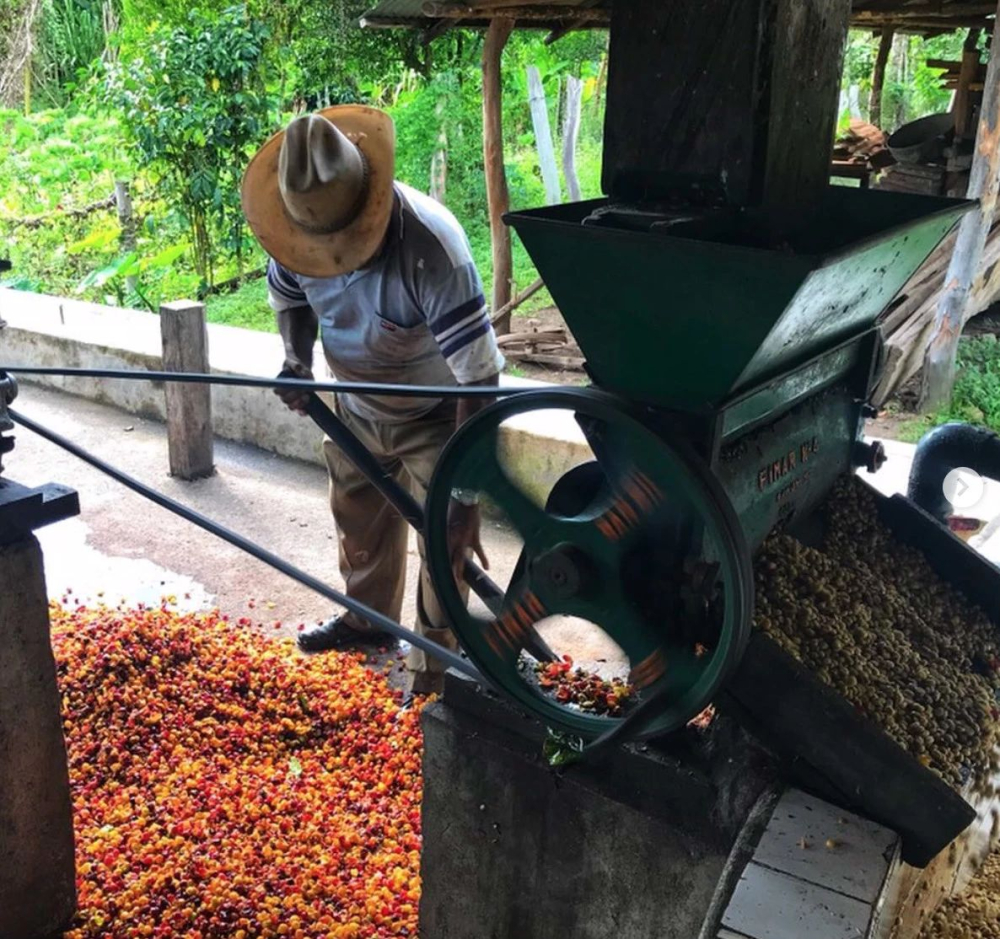 The subsequent critical step involves using a specialized hulling machine to remove the not-yet-fully-dried parchment, followed by about two more days of sun drying to stabilize the moisture content at around 12%. This method not only accelerates drying but also, by removing the outer layer while the beans are still soft, leads to the formation of unique “elephant foot” cracks on the bean surface. Though not a defect, these marks have become a visual hallmark of Mandheling.
Wet hulling plays a decisive role in shaping the flavor of Mandheling. Because the beans are in a semi-dry state when their protective layer is removed and are subjected to intense sunlight, the final coffee exhibits significantly reduced acidity, enhanced body, and intense caramel sweetness with a fresh herbal note. However, this process also leads to a relatively higher rate of defects in green beans, making dark roasting a common choice—it can mask some flaws and aligns with the bold flavor preferences of the Japanese market. In actual tasting, medium-to-dark roasted Mandheling beans from the Lintong region and Aceh PWN Golden Mandheling can more faithfully present the classic flavor profile of Mandheling.
Indonesia’s official coffee grading system is primarily based on the number of defective beans, supplemented by bean size as a reference. Basic requirements include no live insects, no moldy or rotten beans, moisture content not exceeding 12.5%, and impurity rate below 0.5%. The grading is divided into six levels, with the number of defective beans being the main criterion. The highest grade, G1, stipulates no more than 11 defective beans in a 300-gram sample. Common everyday-grade beans from the Lintong region are mostly G1 grade, processed via wet hulling, showcasing the standard Indonesian Mandheling flavor characteristics. Top-tier PWN Golden Mandheling adopts stricter screening criteria—only selecting G1-grade green beans over eighteen mesh, with fewer than 3 defective beans in a 300-gram sample—and undergoes machine sorting and three rounds of manual picking to ensure uniformity of each bean. Before packaging, density and color difference screening are also performed to guarantee perfect bean appearance.
For brewing, bold and regionally distinctive coffees like Golden Mandheling are recommended to be brewed as pour over black coffee to better highlight their complex layers of aroma. Regardless of which Mandheling you choose, freshness is key—opt for beans roasted within five days for the optimal flavor experience.
The above content is compiled by CoffeeHunters, a coffee news website.


