







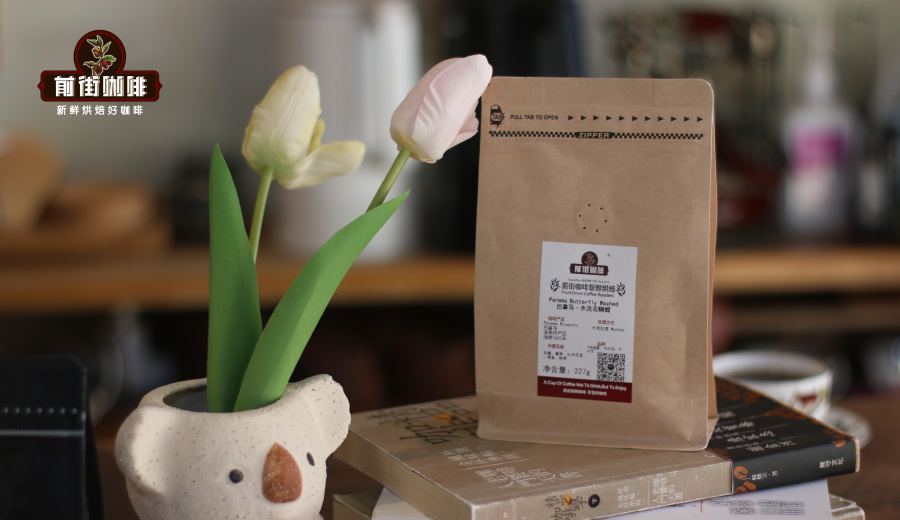
Introduction:Panama’s Boquete region is not only famous for its high-priced Geisha, but also home to the highly cost-effective Flower Butterfly coffee beans. This blend of Geisha, Caturra, and Catuai, with approximately 40% Geisha lineage, delivers pronounced floral and fruity notes, yet offers a premium specialty coffee experience at a more accessible price. This article delves into its regional background, variety composition, processing method, and flavor profile, and provides practical pour over recommendations and parameters to help coffee enthusiasts easily savor the essence of Geisha flavors.
Panama’s Boquete region has gained global recognition thanks to the Geisha from Hacienda La Esmeralda, but the charm of this region is not limited to expensive top-tier Geisha. Among them, a coffee bean named “Flower Butterfly,” a blend of three varieties—Geisha, Caturra, and Catuai—with Geisha making up about 40% of the mix, not only showcases the delicate floral notes and rich fruity tones unique to Geisha, but also serves as an entry-level favorite for many coffee lovers seeking high-quality flavors at a relatively affordable price.
These Flower Butterfly coffee beans are grown in the Boquete region of Chiriquí Province, Panama, near the Baru volcano, at an altitude of about 1,600 meters. The area boasts fertile volcanic soil, significant day-night temperature variations, and evenly distributed rainfall throughout the year, creating an ideal environment for coffee cultivation. In addition to the renowned Hacienda La Esmeralda, Boquete is also home to well-known farms such as Elida and Alcazar, all of which contribute to the region’s status as a key origin for specialty coffee.
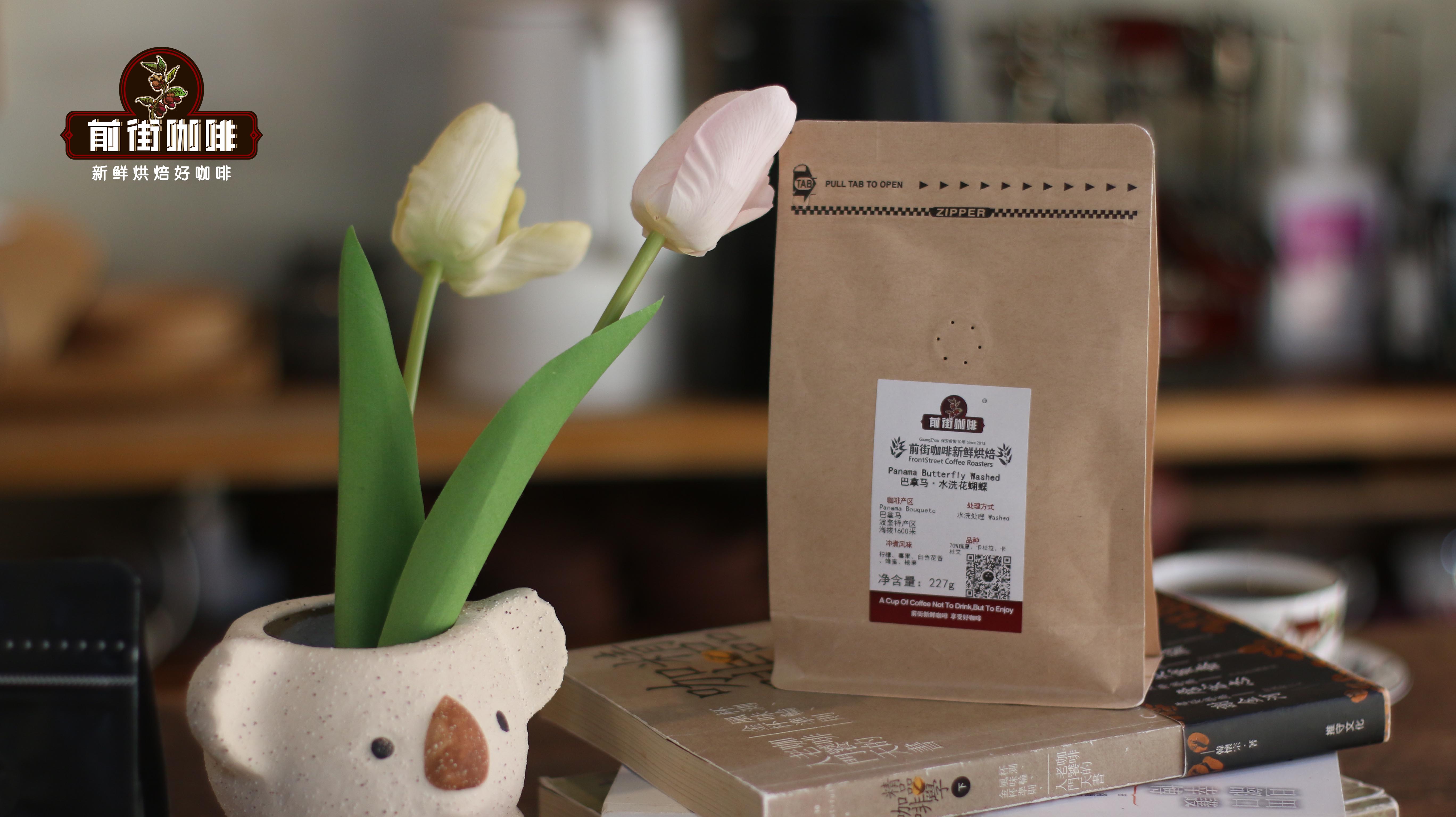
The variety composition of Flower Butterfly coffee beans is 70% Geisha, Caturra, and Catuai. Although Geisha makes up around 40%, it is sufficient to impart distinct Geisha characteristics to the beans, including tea-like aromas, honey sweetness, berry and lemon acidity, as well as delicate white floral notes. These flavor traits allow it to deliver high-tier performance close to that of Geisha, even within an affordable price range.
Interestingly, the blending of Flower Butterfly was not intentional. In earlier years, driven by the pursuit of yield, Geisha was planted alongside Caturra and Catuai. To facilitate harvesting, farmers did not separate the varieties during processing, but instead mixed the harvest and processed them together. As Geisha gained fame, this blended bean gradually gained attention, and processing mills began handling it more meticulously—especially through the washed processing method—to further enhance its flavor purity and cleanliness.
Flower Butterfly is available in both natural and washed processing versions, with the washed version being more common and better at highlighting its bright acidity and delicate fruity aromas. In the washed process, coffee cherries are first floated to remove defective beans, then depulped, and the mucilage-covered seeds are placed in fermentation tanks where natural enzymes and microbes break down the mucilage layer. After washing with clean water, the beans are dried on raised beds under the sun. This processing method retains more acidity and aroma while delivering a cleaner and brighter mouthfeel.
In terms of roasting, to fully showcase Flower Butterfly’s Geisha heritage and high-altitude characteristics, many roasters prefer to use a medium-light roast. This roast level preserves the bean’s inherent acidity and aroma, while bringing out berry, citrus, honey, and tea-like aftertastes, resulting in a clear and layered overall flavor profile.
In actual cupping, Flower Butterfly displays a rich dry aroma, including jasmine, citrus, tea, and honey; during the wet aroma stage, it emits noticeable berry, floral, and vanilla notes; when sipped, the acidity is bright and refined, the sweetness is pronounced, and complex flavors such as bergamot, citrus, cherry, spices, and flowers emerge, followed by a long and lingering aftertaste. Overall, its performance can be described as a distilled essence of washed Geisha flavors.
For coffee enthusiasts who enjoy pour over brewing, it is recommended to use a V60 dripper to fully highlight its layered profile and aroma. It is suggested to use 15 grams of coffee grounds with a 1:15 coffee-to-water ratio, controlling the water temperature at 91–92°C, and grinding to a sugar-like fineness (approximately 80% passing through a #20 sieve). This parameter setup helps balance acidity, sweetness, and aroma, while avoiding over-extraction or off-flavors.
Specific pour over recommendations are as follows: First, perform a 30-second bloom with 30 grams of water to help the coffee grounds degas and activate; then steadily pour water up to 95 grams, observing the bed’s descent; finally, add 100 grams of water until the dripping is complete, for a total brew water volume of about 225 grams. During pouring, it is advised to focus on the center and circle evenly with a small stream to avoid localized over-extraction or channeling. After brewing, gently swirl the coffee liquid and enjoy its full flavor profile while it’s hot.
In summary, Panama’s Flower Butterfly coffee beans, with their reasonable price and Geisha lineage, serve as an ideal choice for many coffee lovers exploring high-quality flavors. Whether you prefer fruity, floral, or balanced acidity and sweetness, you can find surprises in this bean. With the right roast level and brewing parameters, you can easily enjoy a café-quality flavor experience at home.
The above content is compiled by CoffeeHunters, a coffee news website.


