








Introduction:Kenyan coffee is renowned for its distinctive acidity and fruity aroma, with Kenyan AA being a top choice for many coffee enthusiasts. This article will delve into Kenya’s coffee-growing regions, varietal characteristics, the classic K72 washed processing method, and its rigorous bean grading system. We also provide roasting profiles and pour-over recommendations for two classic Kenyan beans, helping you master key techniques from bean selection to brewing.
For many newcomers to the world of specialty coffee, Kenyan coffee’s bright and vibrant acidity—especially its fruity acidity reminiscent of cherry tomatoes and plums—always leaves a striking first impression. As an important African coffee-producing country, Kenya is known for its distinct regional characteristics and high-standard processing techniques. The Kenyan beans launched by Starbucks in the early years, in particular, have left a deep memory for many due to the elephant emblem on their packaging.
The reason this coffee is so memorable is not solely due to brand influence, but also stems from Kenya’s unique geographical and climatic conditions. Located in East Africa, with the equator running through it, Kenya’s terrain is predominantly plateau-based, with an average altitude of about 1,500 meters. It is also home to Mount Kenya, the second highest peak in Africa, reaching 5,199 meters above sea level. The high altitude and significant day-night temperature differences allow coffee cherries a longer maturation period, resulting in richer flavor compounds and higher acidity. With two rainy seasons each year, Kenya can harvest coffee twice annually, mainly concentrated from October to December and June to August, with the October to December season being the most favored by the market.

In terms of varietals, Kenyan coffee primarily cultivates several varieties meticulously developed by official coffee research institutions, including SL28, SL34, Batian, and Ruiru11. Among them, SL28 and SL34 are regarded as the soul varieties of Kenyan coffee, known for their bright acidity and complex flavors. Both possess a high adaptability to the local environment and can deliver intense acidity and rich sweetness at high altitudes. Ruiru11, introduced in the 1980s, emphasizes disease resistance and high yield, while Batian is a newer variety that, through backcross breeding technology, enhances disease resistance while preserving flavor—it represents an important direction for Kenya’s future coffee cultivation.
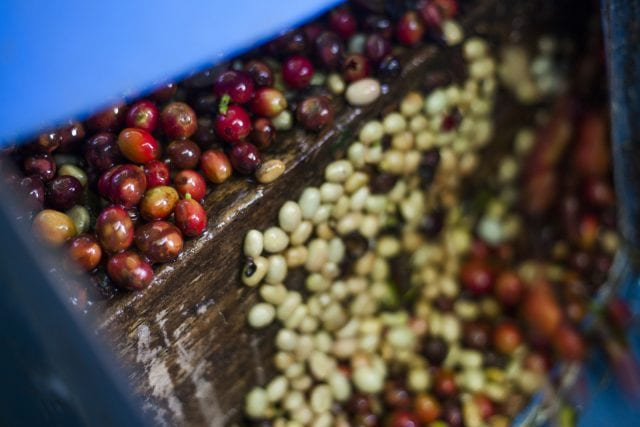
What the Kenyan coffee industry is most proud of is its unique K72 washed processing method. This process emphasizes prolonged fermentation, involving three separate 24-hour dry fermentations totaling 72 hours after the coffee cherries are harvested, followed by extended soaking and sun drying. This intricate processing technique effectively removes the mucilage layer while imparting a clearer, more layered acidity and cleanliness to the beans—a crucial factor enabling Kenyan coffee to stand out in the international market.
Regarding bean quality grading, Kenya employs a grading system primarily based on bean size, with AA being the highest grade, typically referring to beans sized between 17 and 18 screens. AB grade is 15 to 16 screens and is also a common high-quality option on the market. Other grades include PB (peaberry), E (elephant bean), T, and C, each primarily distinguished by bean size, density, and defect rate. It’s worth noting that although grading is mainly based on size, actual flavor performance is also closely related to growing altitude, microclimate, and processing methods. Therefore, even AB-grade Kenyan coffee often exhibits high drinking value due to excellent processing and growing conditions.
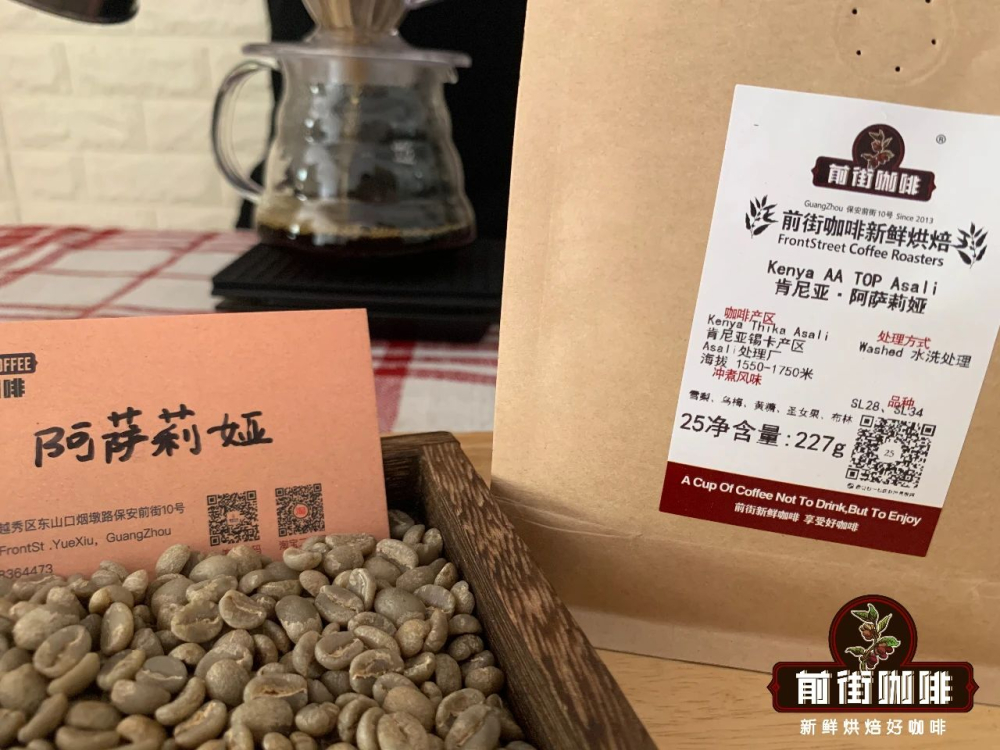
Next, let’s look at two representative Kenyan coffee beans along with their roasting and brewing recommendations. The first is the Asali Region’s Asaliya AA-grade coffee bean, grown at an altitude between 1,550 and 1,750 meters, using the SL28 and SL34 varieties, and processed via the 72-hour washed method. For roasting, a light roast is recommended to fully showcase its bright acidity and fruity flavors. Specific roasting parameters can refer to: using the Yangjia 800N semi-direct-fire roaster, with an entry boiler temperature of 160°C, initial heat at 120, air vent at 3, turnaround point around 1 minute 28 seconds, first crack beginning at 9 minutes 28 seconds, and dropping the beans at 193.8°C, with a development time of about 2 minutes 20 seconds—resulting in bright acidity and rich fruit tones.
The second is the PB (peaberry)-grade coffee bean from Saxony Estate, grown at an altitude of 1,680 meters, with varieties including SL28, SL24, and Ruiru. Due to the peaberry characteristic and high-altitude cultivation, this coffee has more concentrated flavors and a nutty, honey-like finish. A slightly darker light-to-medium roast is recommended to balance the acidity and bring out the sweetness. Recommended roasting parameters: Yangjia 800N machine, entry boiler temperature 170°C, heat at 100, air vent at 3, turnaround point at 1 minute 42 seconds, first crack at 8 minutes 20 seconds, development time of about 1 minute 50 seconds, dropping temperature at 193.3°C—suitable for showcasing its rounded, mellow mouthfeel and complex layers.
For pour-over recommendations, both of these Kenyan coffee beans are well-suited for brewing with a V60 or a Kalita Wave. It is advised to control the water temperature between 91–92°C, with a brew ratio of 1:15, and a grind size of 80% passing through a Chinese standard 20-mesh sieve (fine grind). The specific pour-over technique can follow a classic three-pour or segmented extraction method: start with 30 grams of water for a 30-second bloom, then pour in small circles up to 124 grams for the first segment, wait for the water level to drop, then pour up to 228 grams before stopping, with a total extraction time of about 1 minute 55 seconds. This approach fully highlights the bright acidity, juice-like fruitiness, and delicate sweetness of Kenyan coffee, with a finish featuring layers of berry, brown sugar, or cocoa notes.
In summary, Kenyan coffee has secured its place in the global specialty coffee market not only due to its unique geographical environment and varietal advantages, but also because of its rigorous processing techniques and grading standards. From AA to PB, each grade holds unique flavor potential, and with the right roasting and brewing parameters, one can fully experience the diverse charm of Kenyan coffee. Whether you’re a beginner or an experienced coffee enthusiast, Kenyan coffee is well worth your careful tasting and exploration.
The above content is compiled by CoffeeHunters, a coffee news website.


