








Introduction:Espresso is the soul of all milk-based coffee drinks. This article provides a professional analysis of how to adjust grind size, coffee-to-water ratio, and extraction time to pull an espresso with balanced flavor and smooth body. It also explores in depth why espresso blends are key to consistent extraction, featuring the flavor profiles of practical coffee beans, along with detailed steps for dosing, tamping, and extraction, plus solutions to common issues—so you can make professional-grade espresso at home.
Many beginners in espresso often focus on steaming milk and latte art techniques. However, what truly determines the quality of a milk coffee lies in the extraction of the espresso itself. Based on real-world experience, this article explains in an easy-to-understand way how to use the right espresso blend, master daily variable extraction parameters, and execute the full process—from dosing and tamping to extraction—to craft a well-balanced, layered espresso. It also introduces highly regarded beans in the market to help professionals and enthusiasts consistently produce impressive espresso.
Many novice baristas or coffee lovers mistakenly believe that making a good milk coffee hinges on the fineness of the milk foam and the delicacy of the latte art. In truth, the extraction of the espresso is the core soul of the entire drink. If the espresso lacks complexity or has obvious flaws, even the silkiest milk foam or most beautiful latte art won’t save the final cup. To meet the diverse needs of different cafés, some producers have developed multiple espresso-specific blends—including blends favored by baristas, specialty and commercial blends suitable for various coffee drinks, and even blends designed specifically for use with moka pots.
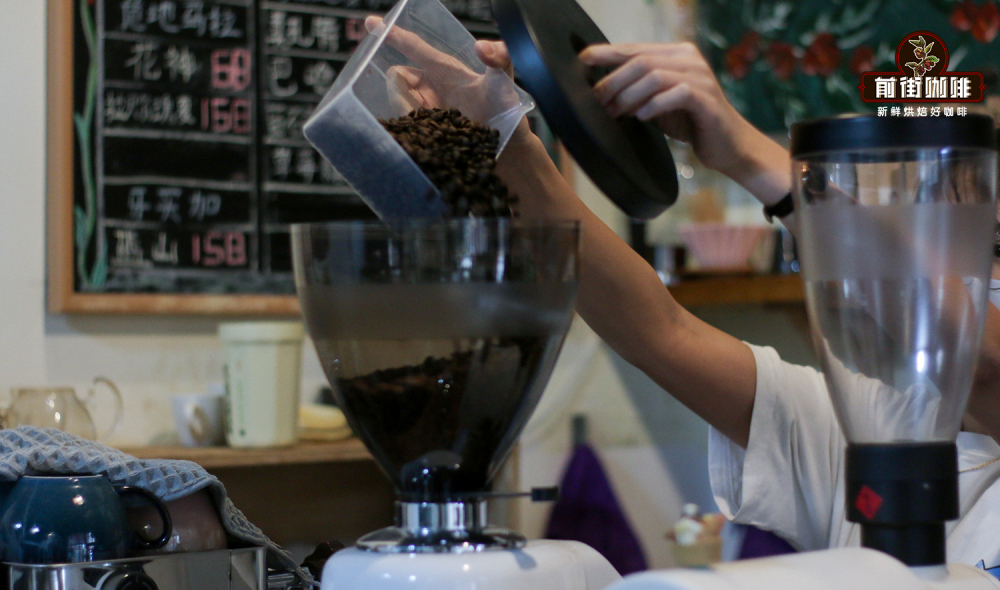
Why choose espresso blends for extraction? Because coffee beans are agricultural products, their flavor is highly susceptible to variations in growing climate, harvest season, and processing methods. Single-origin beans from different batches can vary greatly in flavor. Blends, on the other hand, combine beans from different regions and processing methods in specific ratios to achieve stable flavor and enhance certain characteristics. This strategy effectively compensates for the flavor fluctuations of single-origin beans across batches, which is why some producers insist on using carefully crafted blend recipes to ensure each cup of espresso delivers consistent, high-quality performance.
For example, one brand’s Sunflower Warmth Blend is meticulously crafted with a 3:7 ratio of Ethiopian Yirgacheffe sun-dried Red Cherry and Honduran Sherry coffee beans. When extracted under high pressure, this blend releases rich wine-like aromas, gentle fruit acidity, and a finish of nuts and cocoa. When paired with heated milk, the lactose and berry acidity create a milkshake-like sweetness without masking its unique wine notes, resulting in an unforgettable overall flavor.

After understanding the parameters, let’s move to the actual operation process. First, remove the portafilter and clean out the old coffee grounds. There are two key details in this step: First, when not in use, the portafilter should always remain on the group head to stay warm. Avoid placing it on the warming tray or other cold surfaces, which can lower the portafilter temperature and affect the water temperature and flavor during the next extraction. Second, do not discard the coffee grounds from the portafilter before extraction, as the hot copper group head tends to accumulate odors, and the coffee grounds help absorb these unwanted smells, keeping the extraction environment clean.
After reattaching the portafilter to the group head, it’s recommended to press the extraction button to rinse it while gently shaking the portafilter. This ensures any residual coffee grounds between the group head and portafilter are thoroughly cleared. This step not only prevents secondary extraction and unwanted bitterness but also serves to preheat and stabilize the water temperature, avoiding over-extraction caused by excessively high initial water temperature.
Next, use a clean towel to thoroughly dry the inside of the portafilter’s filter basket. Any residual moisture can cause the coffee grounds to start absorbing water and expanding before extraction, leading to uneven pre-infusion and an inconsistent coffee bed, which affects overall flavor balance. Also, don’t forget to dry the portafilter spout to prevent leftover coffee grounds from falling into the final shot and compromising taste purity.
Once the filter basket is ready, you can begin grinding the coffee beans and dosing. One important note: the dosing chamber should not contain old coffee grounds. Always use freshly ground coffee for each extraction, as coffee grounds begin to oxidize within minutes of exposure to air, severely affecting extraction flavor. It’s recommended to control the dose by using the dosing chamber lever while grinding. When the dose is nearly full, turn off the grinder and continue pulling the lever until all the coffee grounds have fallen into the portafilter.
After dosing, use a distribution tool to evenly spread the coffee grounds in the basket. Uneven distribution will lead to inconsistent puck density after tamping, causing channeling where water flows preferentially through looser areas, resulting in over-extraction in some parts and under-extraction in others, ultimately affecting overall flavor balance. Then comes the tamping step, which further compresses the coffee bed, reduces variations in particle gaps, minimizes the chance of channeling, and ensures a more stable and even extraction.
Firmly reattach the portafilter to the group head and immediately press the extraction button to start brewing. It’s advised to work quickly during dosing and tamping to avoid the coffee grounds being exposed to high temperatures for too long, which can scorch them and result in bitter flavors. The ideal extraction should flow out smoothly like a paste—not violently spraying or slowly dripping. If the flow is too fast, the grind may be too coarse or the tamp pressure too light. If the flow is too slow or even dripping, the grind may be too fine or the tamp too heavy. Additionally, for the same operator under the same conditions, the extraction time difference between shots should be within 1 second; otherwise, it may indicate uneven tamping or unstable technique.
After extraction, check that the puck surface is flat with no noticeable indentations, as significant dents suggest uneven or inconsistent tamping. Furthermore, if you mix the extracted espresso with hot water to make an Americano (black coffee), and it tastes free of off-flavors or astringency, with a body that isn’t watery and bitterness that dissipates quickly, then the extraction meets basic standards. Finally, if you can consistently produce 5 to 10 shots of the same specification with stable extraction times and flavor profiles, your extraction technique can be considered mature.
The above content is compiled by CoffeeHunters, a coffee news website.


