







Introduction:Ever wondered why most commercially available Mandheling is medium to dark roasted? And how can you use a pour over method to bring out its rich flavors—rather than just burnt bitterness? This article starts with the characteristics of Sumatra’s wet-hulling process, analyzing the reasons behind the common medium-to-dark roast of Mandheling. It introduces the PWN Golden Mandheling grade and Indonesia’s green bean grading standards, and provides practical pour over parameters and techniques to help you brew a balanced cup of classic Mandheling with notes of caramel and nuts.
Mandheling coffee is renowned for its bold and deep flavor profile, often featuring familiar aromas of dark chocolate, nuts, and caramel that delight many coffee enthusiasts. Most Mandheling on the market is medium to dark roasted—not only because the wet-hulling process leads to a higher defect rate in green beans, necessitating a darker roast to mask flaws, but also due to Japan’s historical preference for strong, dark-roasted flavors. A medium-to-dark roast allows Mandheling to release rich notes of nuts, dark chocolate, and spices. The cup offers a full body and sweet caramel tones, with a distinct lingering aftertaste, making it a classic choice for those who enjoy intense black coffee.
Why is Mandheling mostly presented as a medium-to-dark roast?
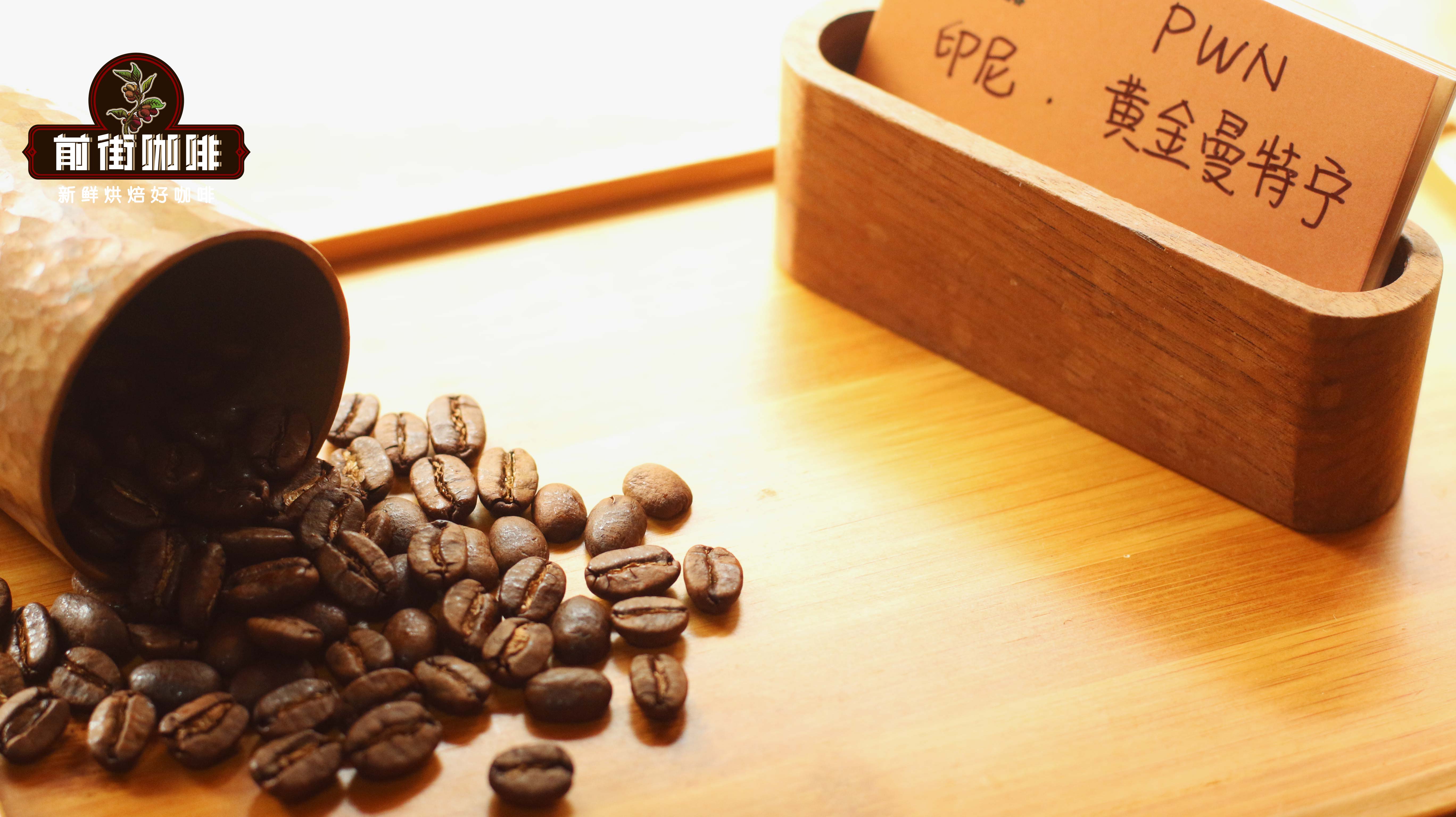
Traditionally, Mandheling is processed using medium-to-dark roasts to create a rich and deep classic black coffee flavor. With the rise of specialty coffee trends, some producers have introduced medium-light roasts that highlight fruity and floral notes. However, such profiles typically have lower body and more noticeable acidity. For consumers seeking a full-bodied taste, the medium-to-dark roast remains the more common and popular option. This is especially true when considering that Sumatra’s wet-hulling method often results in a high defect rate in green beans. Darker roasting not only reduces the perception of defects but also enhances the complexity of flavors. This is the main reason why both the Lintong Mandheling and PWN Golden Mandheling under this brand are medium-to-dark roasted.
How does the wet-hulling process affect Mandheling’s flavor and quality?
Sumatra’s unique wet-hulling process involves removing part of the outer parchment layer before the beans are fully dry. This procedure can easily damage or crush the beans, leading to a higher defect rate. The unprotected beans then dry rapidly but are also more prone to absorbing moisture and contaminants, which further impacts their quality. Although the wet-hulling method gives Mandheling its distinctive herbal and woody aromas, the associated defect issues require a medium-to-dark roast to balance and mask them. This roast style not only brings out a rich mouthfeel but also makes the overall flavor smoother and more layered.
What grade is Golden Mandheling? How can you identify it?
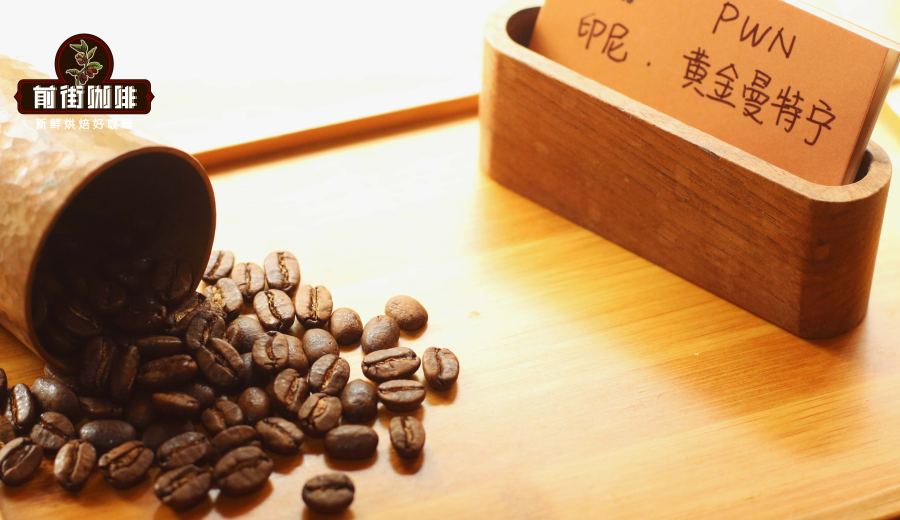
“Golden Mandheling” is a registered brand of Indonesia’s PT. Perkebunan Nusantara (PWN). Only products with the PWN logo printed on the green bean sack and accompanied by an official origin certificate are considered genuine Golden Mandheling. This coffee undergoes rigorous selection throughout production—from bean density, size, shape, to color—all must meet high standards. Defects are removed multiple times by both machines and human sorters to ensure every bean is whole, large, and nearly free of flaws. Legend has it that these beans glisten with a golden hue in sunlight, hence the name “Golden Mandheling.” PWN sources green beans that are at least 18 mesh or larger—that is, G1 grade with fewer than 3 defects per 300 grams—and then the beans go through one mechanical and three manual sorting processes, plus density and color selection, to ensure both flavor and appearance meet top-tier standards.
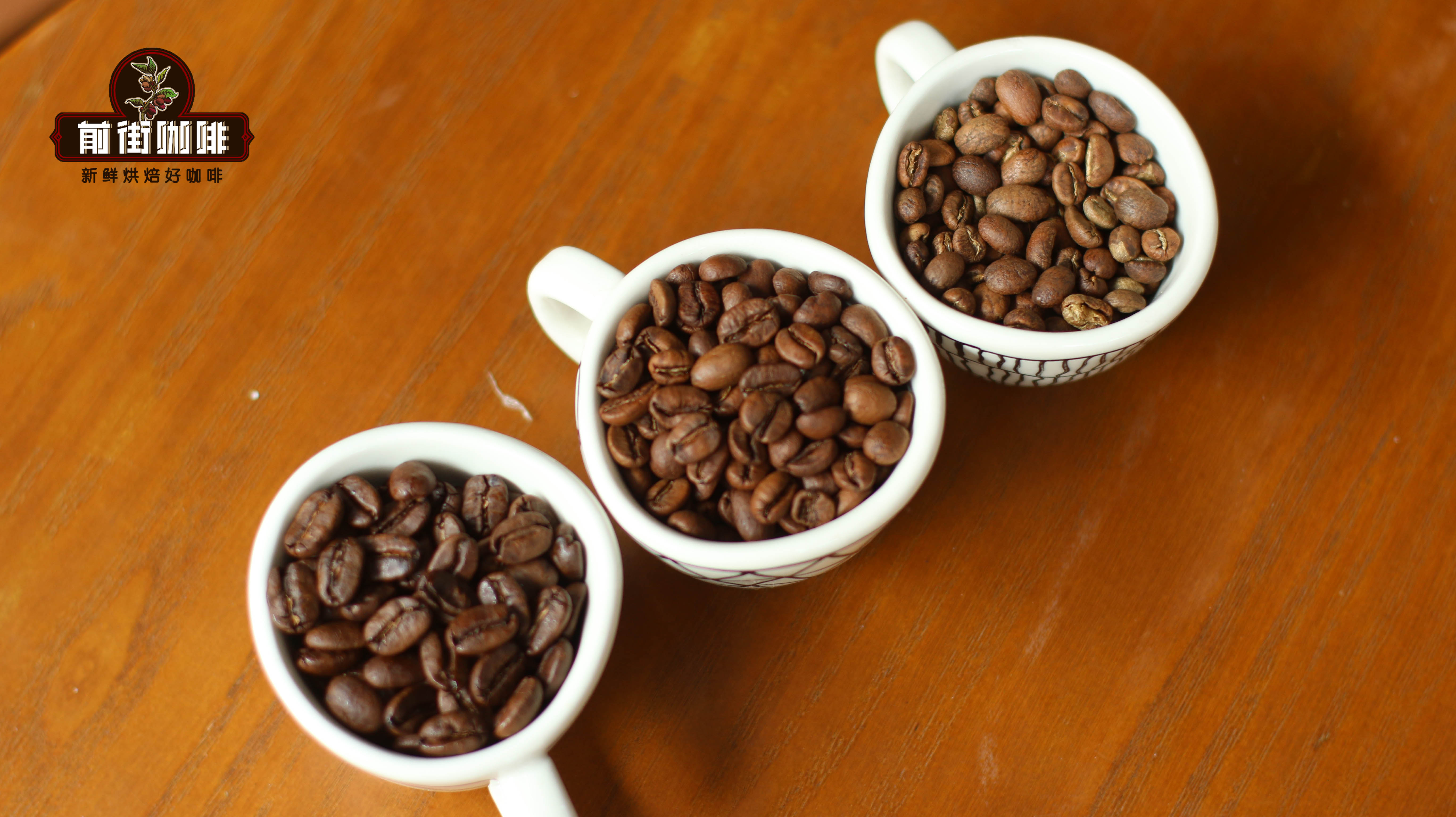
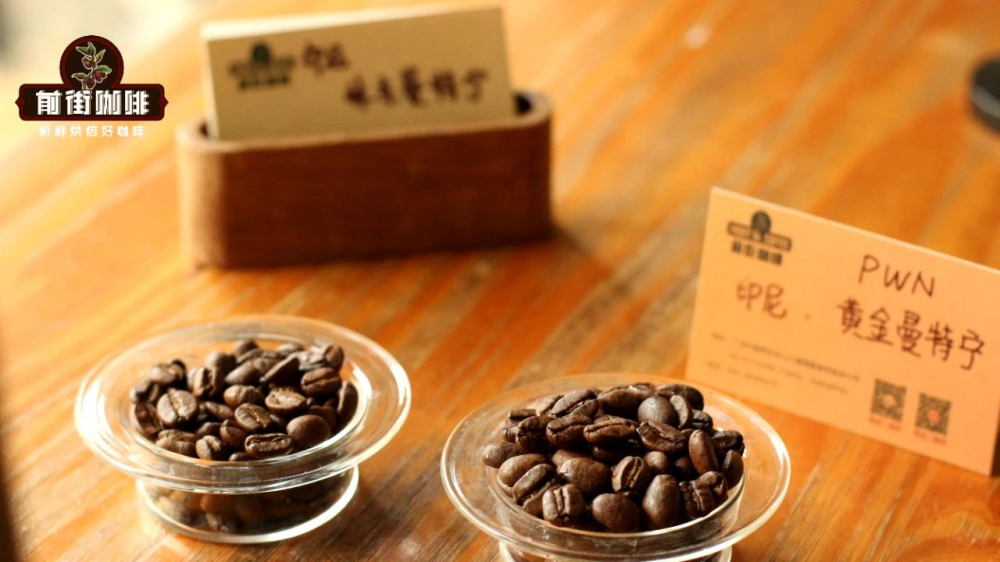
Indonesian green coffee grading is primarily based on the number of defective beans, supplemented by bean size specifications. General requirements include being free from pests, mold, with moisture content not exceeding 12.5% and impurity rates below 0.5%. The highest grade, G1, requires fewer than 11 defects in a 300-gram sample. A certain brand’s Lintong Mandheling is graded as G1, showcasing typical Indonesian wet-hulling flavors. PWN Golden Mandheling, however, is a higher-standard G1 grade with stricter control over defect rates, ensuring that every cup delivers a balanced and refined flavor.
Is your pour over Mandheling tasting overly bitter or burnt? These technique issues might be the cause!
Many people encounter excessive extraction and obvious burnt bitterness when pour over brewing Mandheling. This is actually related to the choice of filter dripper, grind size, and water temperature. Some suggest using a KONO dripper—the smooth curve and limited number of vent holes help create an immersion-style extraction effect, which is beneficial for highlighting Mandheling’s full body and caramel sweetness. Compared to the V60, it’s more suitable for dark roasted beans. Moreover, since medium-to-dark roasted Mandheling has a looser structure and stronger water absorption, it’s recommended to adjust the grind size to medium-coarse. When tested with a Chinese No. 20 sieve, the passing rate should be around 70% to avoid over-extraction that releases too many large-molecule bitter compounds.
In terms of temperature, medium-to-dark roasted coffee beans are not suited to very high water temperatures. It is advised to keep the water temperature between87~88°C—slightly lower than the 91~93°C used for light roasts. This helps reduce over-extraction flavors while preserving the caramel and nutty profiles. The recommended powder-to-water ratio is 1:15, using about 15 grams of coffee grounds and a total of 225 milliliters of water. A three-stage pouring method can be employed to more stably bring out the layers of flavor.
The first step is a 30-milliliter bloom pour to allow the coffee grounds to degas fully; the second step adds 100 milliliters to draw out the golden crema and lift the coffee bed; the final step involves a gentle 95-milliliter center pour to enhance sweetness and body, balancing the overall flavor profile. This results in an inviting combination of chocolate, nuts, and caramel.
The above content is compiled by CoffeeHunters, a coffee news website.


