







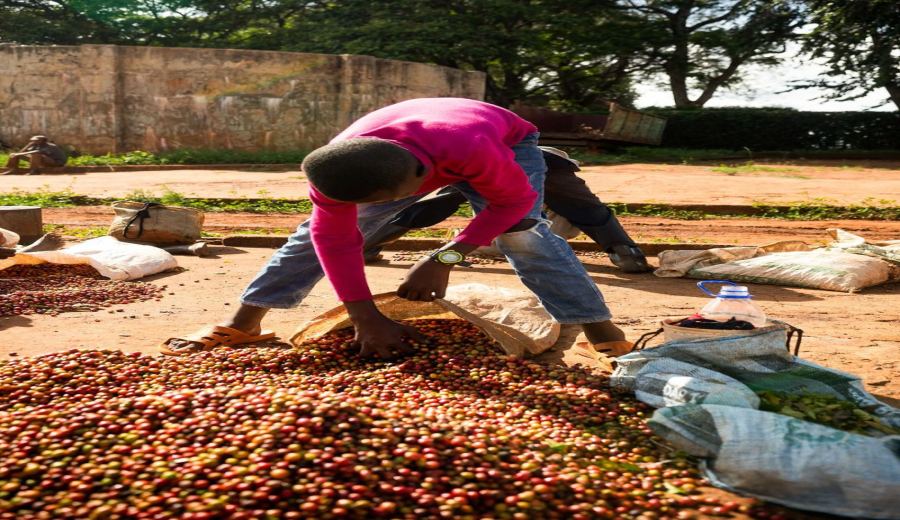
Introduction:Kenyan coffee is renowned for its intense acidity and complex layered profile, with its foundation rooted in the K72 washed processing method, classic SL28/SL34 varieties, and the microclimate variations across its central and western growing regions. This article delves into the Kenyan coffee industry system — from historical background to variety cultivation, from processing techniques to regional flavor profiles — and includes practical parameters and tasting tips to help you master the essence of this African specialty coffee.
In the world of specialty coffee, Kenyan coffee stands out as a premium choice for many enthusiasts due to its vivid and layered acidity. Unlike the bright and clean acidity of Ethiopian coffee, Kenyan coffee features a more intense, full-bodied, and weighty acidity, making it truly unique on the international stage. From its early days under colonial plantation systems to today’s refined and sophisticated industry chain, the success of Kenyan coffee owes much to its scientific variety selection, rigorous grading system, and the distinctive K72 washed process.
Though Kenya’s coffee cultivation history is not as long as Ethiopia’s, its development has been highly strategic. In the early 20th century, with the arrival of British colonial influence, coffee was introduced as a cash crop. Unlike Ethiopia’s natural inheritance, Kenya’s coffee industry took a precision-managed approach from the outset, leading the way in variety selection, processing methods, and grading standards. These foundational infrastructures laid a solid groundwork for the later rise of specialty coffee.
Several key factors have contributed to Kenyan coffee’s prominence in the global market. Firstly, there’s the varietal selection. Since the 1920s, the Scott Agricultural Laboratories selected the SL28 and SL34 varieties from over 40 candidates, specifically suited for Kenya’s high-altitude conditions. These two varieties are not only resilient but also impart rich fruity acidity and complex aromatic profiles, becoming the soul of Kenyan coffee. Secondly, the government established the Coffee Growers Cooperative Union as early as 1931 and launched the Nairobi Coffee Auction system in 1937, ensuring transparency in quality and pricing. To this day, it remains one of the few regions globally that maintains a strict auction-based system. Additionally, Kenya’s unique grading system categorizes beans based on size and cupping scores into grades such as AA, AB, and PB, with AA being the largest in size and highest in cupping potential.
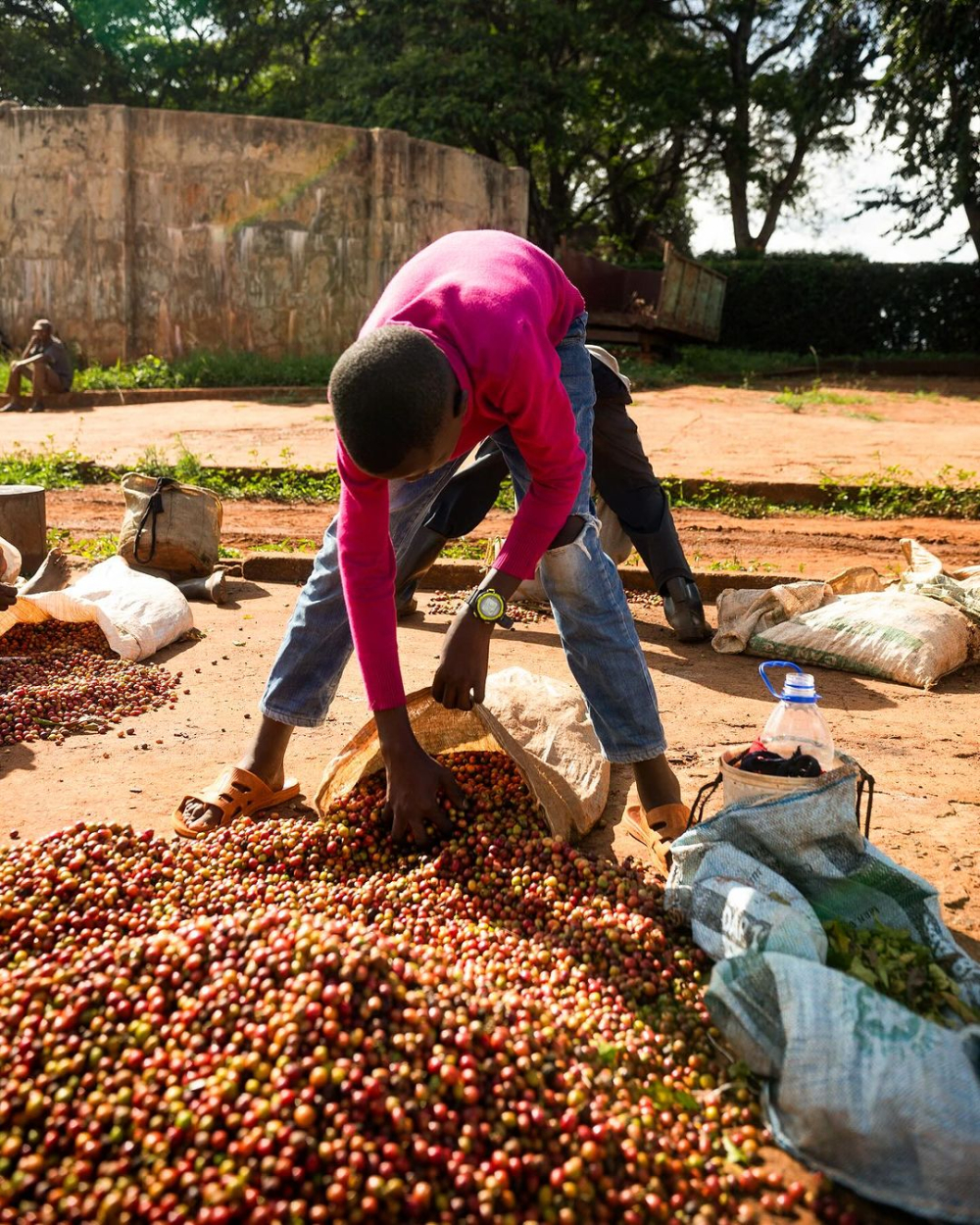
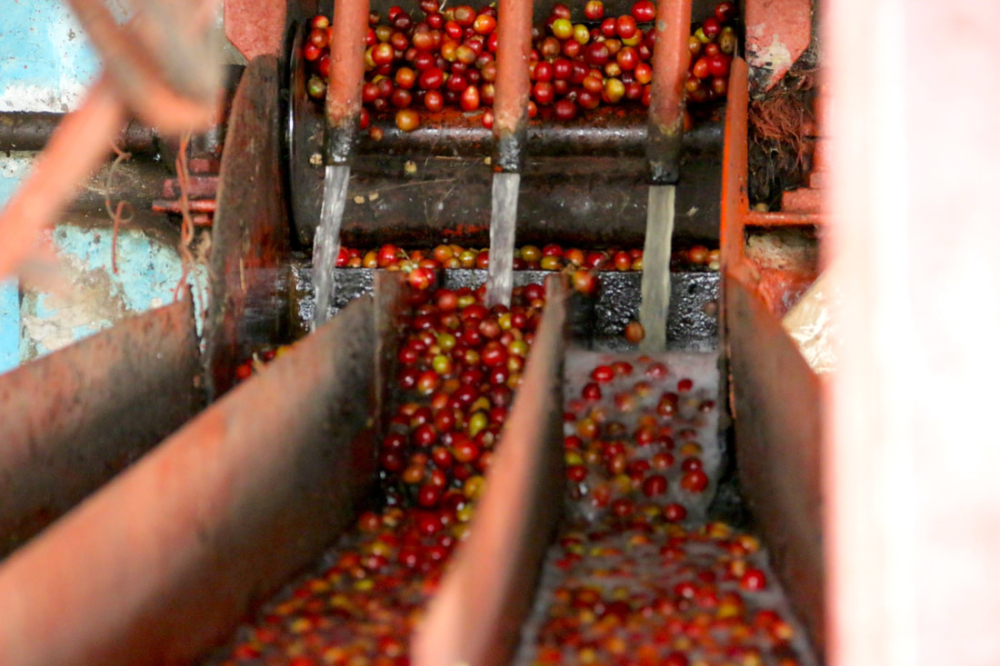
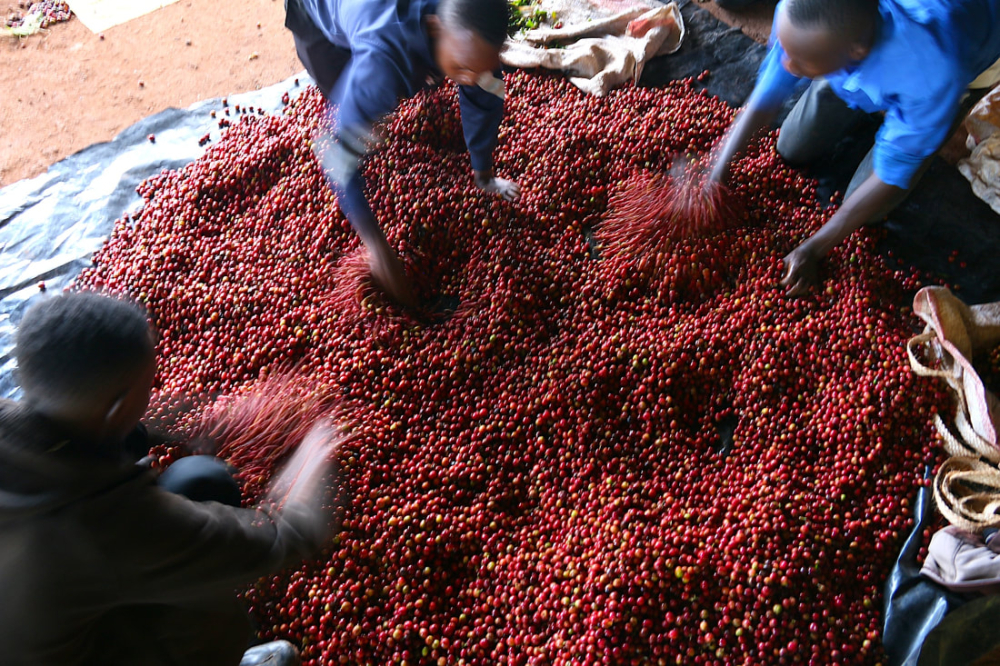
When discussing the unique flavors of Kenyan coffee, one cannot overlook the famed K72 washed processing method. Unlike typical washed processes that ferment for about 36 hours, Kenya extends fermentation to 72 hours. This prolonged mucilage breakdown results in richer, more layered acidity and aroma. The process is conducted in a controlled temperature and humidity environment to ensure stable fermentation, followed by thorough washing and drying to reduce moisture content below 12%, thereby stabilizing the coffee’s quality. This technique not only enhances complexity but also gives Kenyan coffee a highly distinctive identity.
Kenya’s coffee cultivation is mainly divided into two models: large estates and agricultural cooperatives. The cooperative model accounts for 75% of the country’s coffee-growing area and consists of over 700,000 smallholder farmers. Through unified management, technical guidance, and sales channels, cooperatives effectively elevate overall product quality. Major producing areas are concentrated in the central and western regions. The central region includes Kiambu, Nyeri, Kirinyaga, and Muranga. These areas, blessed with high altitudes and significant day-night temperature variations, typically produce coffee with bright acidity and delicate aromas. The western regions, such as Kisii and Bungoma, showcase softer acidity and prominent fruity sweetness due to their unique microclimates.
The flavor differences among these regions are also quite distinct.Kiambu and Murangaproduce coffees with bright and robust acidity, layered with black plum and berry notes;Nyeriis known for its citrus and floral characteristics, with full-bodied acidity and berry undertones. Though not as light as Ethiopia’s Yirgacheffe, it offers more body and depth;Kirinyagashares similarities with Kiambu, featuring bright acidity along with subtle sweetness;Embuoffers a more balanced profile, with soft yet layered acidity and a long-lasting aftertaste;Machakosis gaining attention for its delicate mouthfeel and lingering finish, whileKisii and Bungomahighlight fruity sweetness and nutty tones with relatively softer acidity, suiting those who prefer less acidic brews.
In terms of varieties, SL28 and SL34 are the cornerstones of Kenyan coffee. SL28, part of the Bourbon genetic group, delivers bright acidity and rich fruitiness, whereas SL34, with Typica lineage, features gentler acidity yet equally complex layers. Together, these two varieties account for 90% of Kenya’s coffee output and are increasingly favored and cultivated in South American regions. Additionally, Ruiru11 is a disease-resistant hybrid developed to combat coffee leaf rust. Although highly resistant, it slightly lags behind SL28 and SL34 in flavor expression.
Kenya’s grading system is extremely stringent. Beyond classifying beans by size into grades such as E, AA, AB, PB, C, E, TT, and T, the AA and AB grades are further unofficially subdivided — based on cupping scores — into TOP, PLUS (+), and FAQ categories widely used as references. Among them, AA-grade beans, with diameters of approximately 17–18 mesh, are the most sought-after in the market, while PB (peaberry) beans, due to their rarity and concentrated flavor, are often sold separately. Notably, E-grade does not refer to Maragogype (elephant beans) but rather to defective beans where two seeds have fused due to abnormal development. Though larger in size, they are considered a non-mainstream grade.
Take, for example, the AA TOP-grade coffee produced by the Asali Honey Processing Factory in Kenya’s Thika region. Using SL28 and SL34 varieties and processed via the K72 washed method, it showcases exceptional acidity and aromatic complexity. Recommended roast level is light to highlight bright acidity and fruity notes. The charge temperature is set at 200°C, with first crack occurring around 154.3°C, followed by 2 minutes and 10 seconds of development post-first crack to achieve optimal balance. In cupping, this coffee often presents dried aromas of black plum and cherry tomatoes, along with wet aromas of caramel and berries. Upon tasting, it delivers powerful, layered acidity with a long finish — a classic representation of the essence of Kenyan coffee.
The above content is compiled by CoffeeHunters, a coffee news website.


