







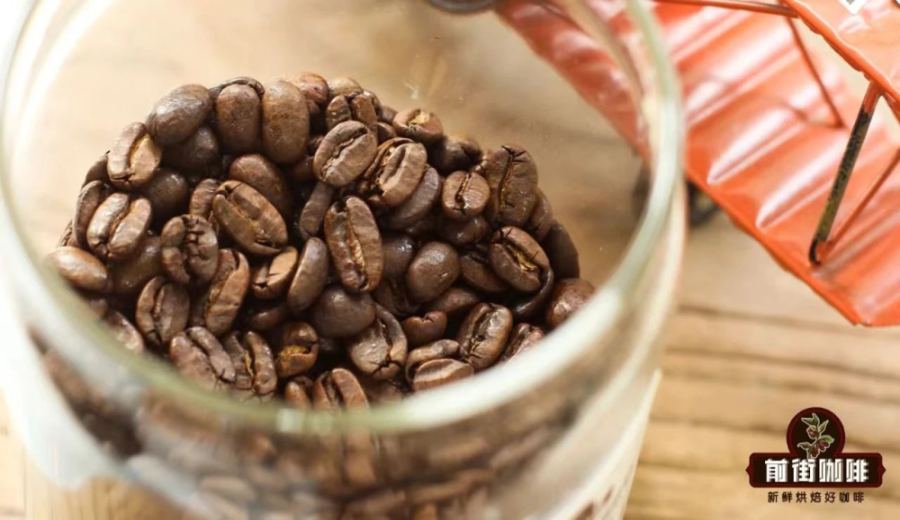
Introduction:Can Mandheling single-origin beans be brewed as SOE (single-origin espresso)? How do their parameters and flavors differ in pour-over and machine extraction compared to common espresso blends? This article delves into the potential of Mandheling as both a single-origin and espresso bean, offering precise recommendations on grind size, water temperature, and brew ratio, while comparing flavor profiles across brewing methods to help you choose the most suitable extraction style based on your preferences.
Many newcomers to coffee often confuse Mandheling with standard espresso beans, assuming both are primarily bitter. In reality, Mandheling is a type of single-origin coffee, typically sourced from specific regions like Sumatra, whereas espresso is usually made from blends that emphasize balanced flavor and bold body. So, can Mandheling be used for SOE (single-origin espresso)? How should parameters be adjusted for pour-over and espresso brewing? What are the noticeable flavor differences? We’ll answer these questions one by one and provide practical advice.
What is Mandheling coffee? How does it differ from espresso?
Mandheling is a single-origin coffee bean, meaning it comes from a specific region or variety. Generally, single-origin beans are best brewed using methods like pour-over, French press, or AeroPress, with a recommended coffee-to-water ratio of around 1:15 and water temperature between 90–94°C, adjusted according to roast level. Brewing time is usually 2–4 minutes. Drinking single-origin coffee is like tasting wine—each bean has unique acidity, sweetness, body, and regional characteristics. Mandheling often exhibits rich aroma, full body, and low acidity, with layers of herbal, nutty, and caramel notes.
In contrast, espresso typically refers to high-pressure, high-temperature extraction, most commonly used as the base for milk-based drinks like lattes and cappuccinos. It’s made using an espresso machine under 9-bar pressure with water at 90.5–96°C, extracting about 30–60 ml of concentrated liquid from a small amount of finely ground coffee (around 7–9 grams) in 20–30 seconds. This method produces a rich crema, intense bitter-sweet aftertaste, and distinctive body, forming the foundation of most commercial coffee drinks.
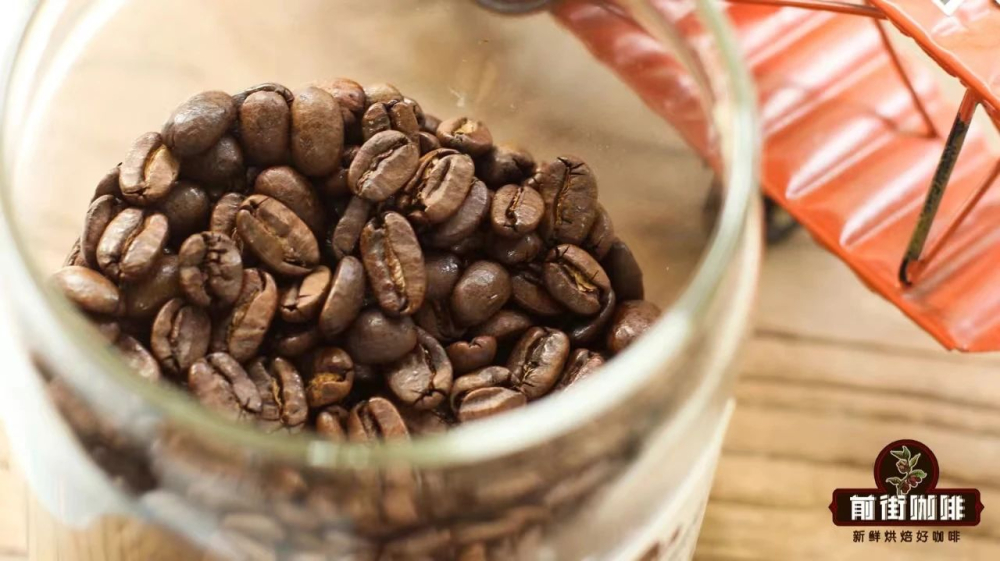
Can Mandheling be used for SOE? Differences between single-origin and blend applications
The answer is yes. Single-origin beans can also be used to make SOE (Single-Origin Espresso), which is espresso made from beans of a single origin. Well-known single-origins like Yirgacheffe, Kenya, Panamanian Geisha, and Jamaican Blue Mountain all have unique aroma and flavor profiles. However, because single-origin beans have distinct personalities, if their flavor characteristics are too pronounced (such as citrus, floral, or herbal notes), they may turn into unbalanced sharp acidity or off-flavors under high-pressure extraction. Therefore, SOE places more emphasis on the bean’s balance and roast adaptability.
In comparison, espresso blends are usually made from two or more beans from different regions, aiming to achieve balanced flavor through blending—for example, compensating for acidity, enhancing sweetness, or stabilizing body. As a result, most commercial espresso is made from blends, especially in business or café settings where consistency and stability are top priorities.
Flavor comparison: Mandheling single-origin vs. espresso
If comparing Mandheling beans from the same origin, the flavor characteristics revealed in pour-over and espresso brewing will differ significantly. Pour-over highlights Mandheling’s delicate layers, such as low acidity, full body, and herbal, nutty, and caramel aftertastes, making it well-suited for medium-dark roasts that emphasize its earthy and woody tones. Espresso brewing, on the other hand, amplifies bitterness, oiliness, and intense caramel or chocolate flavors due to high pressure and temperature, but it may also make certain single-origin characteristics (like herbal or earthy notes) overly strong. Precise roasting and extraction parameter adjustments are needed.
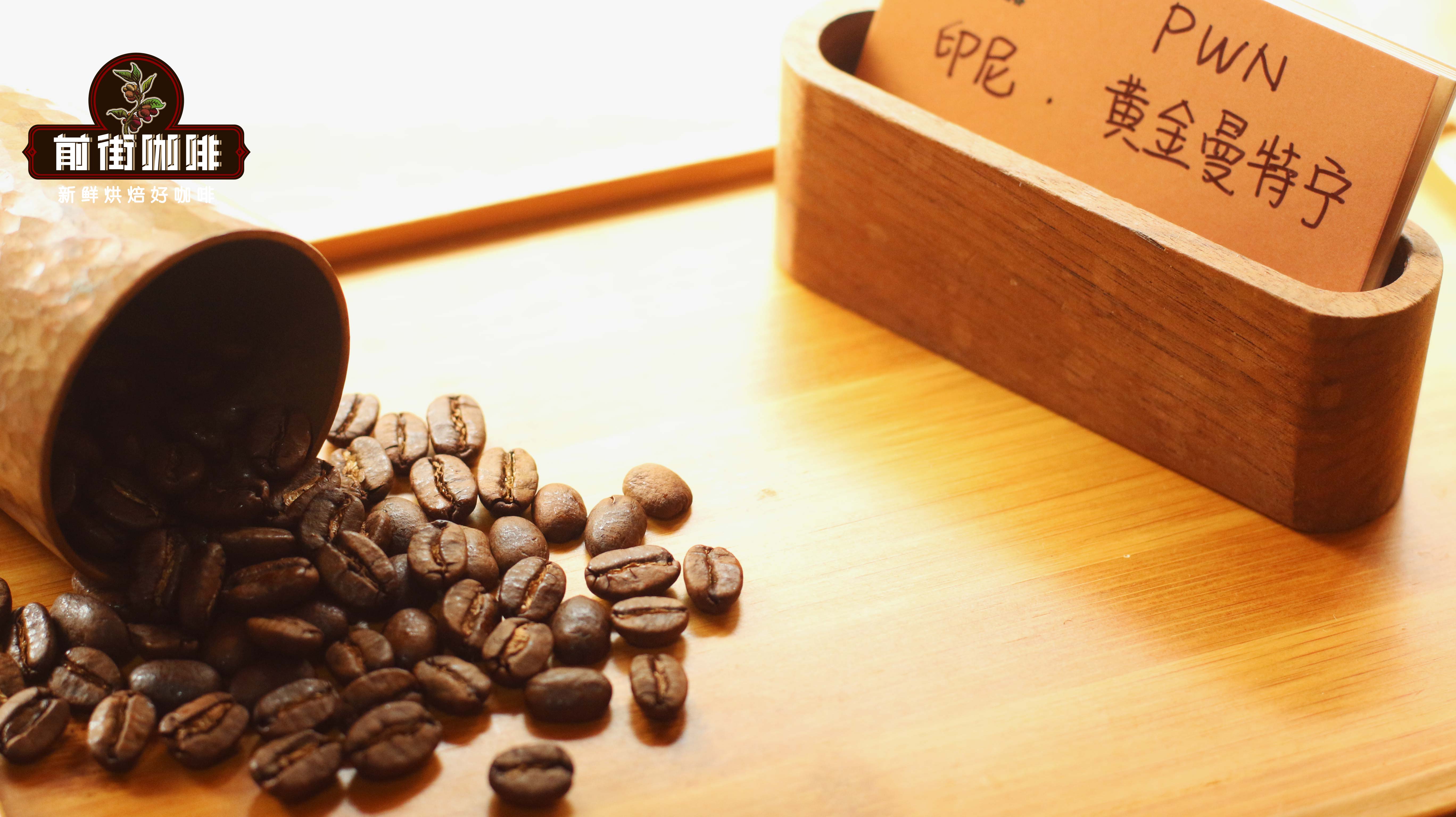
Parameter recommendations: Mandheling espresso and pour-over
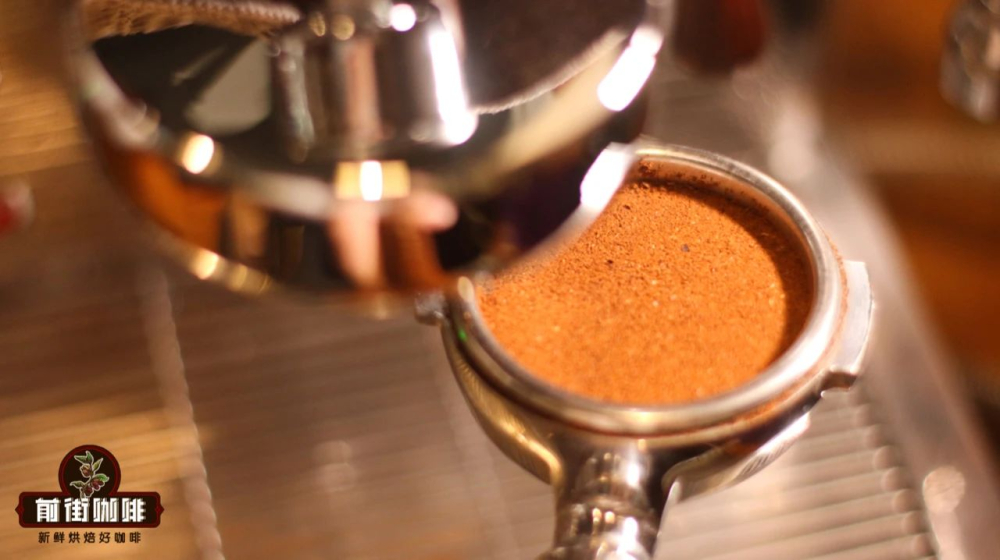
For making espresso with Mandheling single-origin beans, a medium-dark to dark roast is recommended. The grind size should be fine (close to powder but still flowable), with a dose of 7–9 grams, water temperature around 92–94°C, extraction time maintained at 25–30 seconds, aiming for about 30–40 ml of espresso. Pay attention to crema thickness and flavor balance, avoiding over-extraction that leads to harsh bitterness.
For pour-over, use medium-dark roasted Mandheling. The grind size should be medium-fine (e.g., equivalent to a #20 standard for your dripper), with a coffee-to-water ratio of 1:15, water temperature 90–93°C, and use a staged extraction (e.g., 30-second bloom with 30 grams of water, then pour up to 240 ml). Total brewing time should be controlled between 2 minutes 30 seconds and 3 minutes. These parameters help bring out Mandheling’s full body, low acidity, and nutty, caramel aromas.
Common misconceptions and practical reminders
Many home users often overlook the impact of grind size on extraction. Espresso requires an extremely fine grind, while pour-over needs adjustment based on brewing method (e.g., pour-over kettle, AeroPress, or French press). Additionally, once coffee is ground, its flavor compounds dissipate quickly, so it’s best to grind just before brewing and store whole beans properly to avoid moisture or oxidation.
Another common mistake is believing that “the more bitter, the better.” In reality, quality Mandheling should showcase a full, balanced sweetness and complex layers, not just bitterness. Choosing a roast level and brewing method that suits your taste will allow you to truly experience the charm of Mandheling.
Conclusion: Find your ideal Mandheling brewing method
Whether you prefer the delicate layers of pour-over or the rich crema of espresso, Mandheling can reveal different flavor dimensions. Understanding the differences between single-origin and blends, mastering extraction parameters and flavor profiles, will help you find the coffee experience that suits you best. Try different roast levels and brewing methods to explore the many faces of Mandheling.
The above content is compiled by CoffeeHunters, a coffee news website.


