







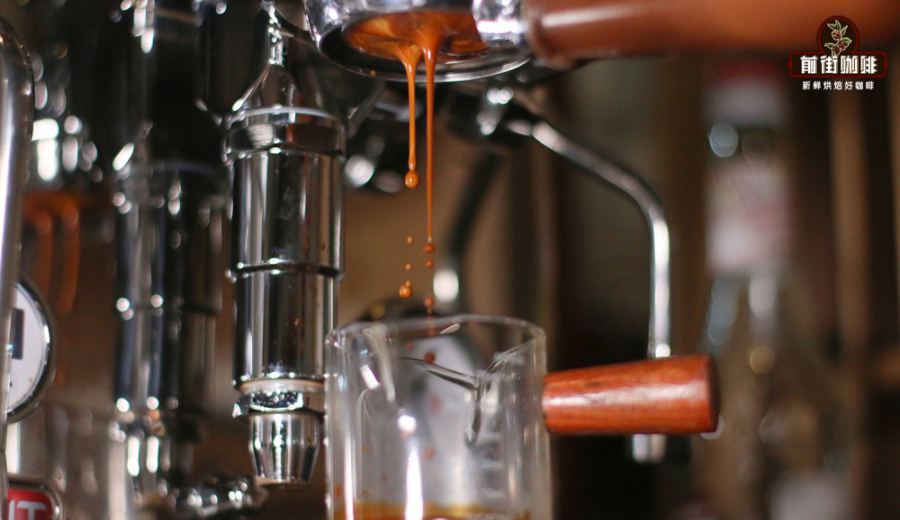
Introduction:A refined espresso hinges on the perfect balance among coffee-to-water ratio, grind size, and extraction flow rate. This article delves into common ranges of extraction ratios, explores how grind size affects flow speed and flavor release, and provides practical tips on how to flexibly adjust coffee dose, grind fineness, and shot weight based on extraction changes. Real-life examples and flavor profiles are also included to help you elevate the quality of every espresso you pull.
Espresso is the essence of Italian coffee culture. Though it takes only a few seconds to extract, it highly concentrates the essence of coffee beans, delivering a rich and bold flavor. However, to successfully brew a balanced and aromatic espresso, the key lies in precisely controlling extraction parameters—among which coffee-to-water ratio and grind size are the most crucial. Understanding these fundamentals allows you to make corresponding adjustments according to different coffee beans and environmental changes, ensuring consistent results.
Selection and Practical Application of Coffee-to-Water Ratio
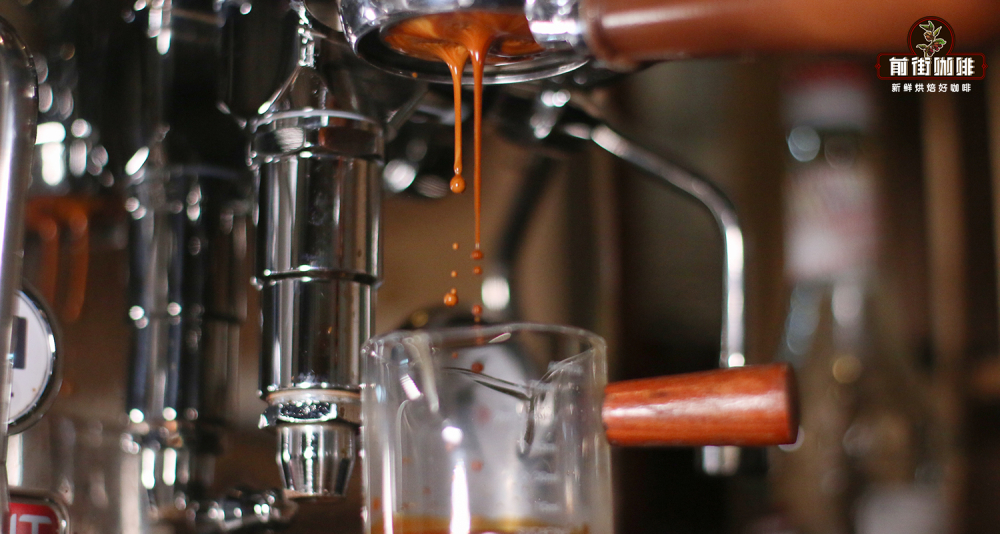
The coffee-to-water ratio for espresso generally falls between 1:1.5 and 1:2.5, depending on the characteristics of the coffee beans, roast level, and desired flavor profile. A commonly used industry benchmark is 1:2—that is, for every 1 gram of coffee grounds, 2 grams of espresso are extracted. For example, using 20 grams of coffee grounds to aim for 40 grams of espresso extracted within 25 to 30 seconds is the standard process for a typical double shot.
In practice, the amount of coffee grounds affects puck density and flow rate. When you increase the coffee dose, the puck becomes denser, slowing down water flow and thereby extending extraction time, which naturally increases coffee concentration and extraction yield. Conversely, if the dose is too low, the puck is loose, water flows too quickly, possibly resulting in under-extraction and a weak, sour, and flat-tasting shot. When adjusting, it’s recommended to fine-tune the dose slightly based on observed flow rate and flavor outcome to achieve ideal extraction.
How Grind Size Affects Extraction and Flavor
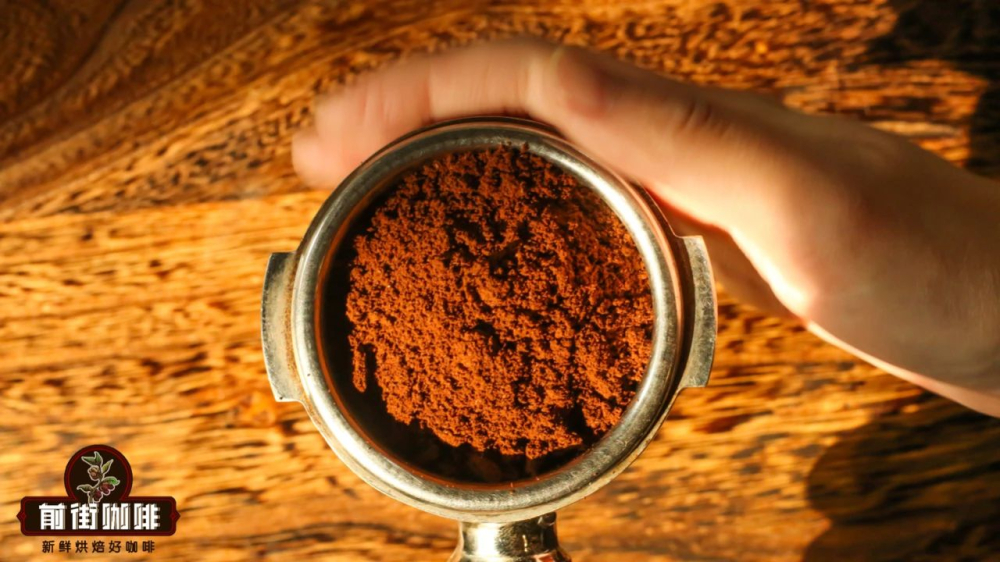
Espresso extraction takes an extremely short time, so the coffee must be ground very finely to release sufficient aroma and flavor compounds within that brief period. This ultra-fine grind is much finer than what’s needed for pour over or drip coffee, and demands a high degree of particle uniformity. Therefore, a professional electric espresso grinder is an essential piece of equipment.
Adjusting grind size directly impacts flow rate and the final flavor of the coffee. If the grind is too coarse, water passes through the coffee bed too quickly, often leading to under-extraction—the coffee will taste thin, sour, and lack complexity. On the other hand, if the grind is too fine, water flow is restricted, extraction time becomes excessively long, and over-extraction may occur, resulting in sharp, bitter, or even burnt flavors. It's important to note that adjustments to espresso grind size should not be too drastic; small, incremental tweaks help maintain stable extraction quality.
Flexibly Adjusting Extraction Parameters Based on Environment and Bean Conditions
Espresso extraction performance can be influenced by multiple factors such as weather humidity, coffee bean freshness, and the time elapsed since roasting. For instance, in humid conditions, coffee grounds tend to absorb moisture from the air, affecting the efficiency of water-coffee interaction and thus altering flow rate and extraction status. Even when temperature and pressure remain constant (such as the common 9Bar pressure and 94°C water temperature), it’s still necessary to adjust coffee dose, grind size, and target shot weight to maintain extraction consistency.
In practical adjustment strategies, if you notice that the extraction time significantly shortens under the same dose (for example, from 29 seconds to 26 seconds), it indicates the flow is too fast, potentially leading to under-extraction. In this case, try increasing the dose slightly each time (e.g., +0.1 gram), and observe whether the flow stabilizes. If the flow remains too fast after adjusting the dose, further fine-tuning the grind to a finer setting is needed to slow down water flow, allowing for better release of flavor compounds. Conversely, if the flow is too slow, it’s advisable to first reduce the coffee dose, and only consider slightly adjusting the grind coarser if there’s no improvement.
This process of gradual fine-tuning requires familiarity with the characteristics of the coffee beans being used and the response of your brewing equipment, in order to effectively grasp each bean’s optimal extraction window and consistently deliver the desired flavor profile.
Practical Case: Stable, High-Balance Espresso Parameters for Consistent Results
Taking a routine espresso shot from an actual café as an example: using 20 grams of coffee grounds, a 1:2 coffee-to-water ratio, and extracting 40 grams of espresso under 9Bar pressure with an overall extraction time controlled around 30 seconds. This set of parameters is widely applicable to most medium-to-dark roasted coffee beans and delivers a rich, balanced taste.
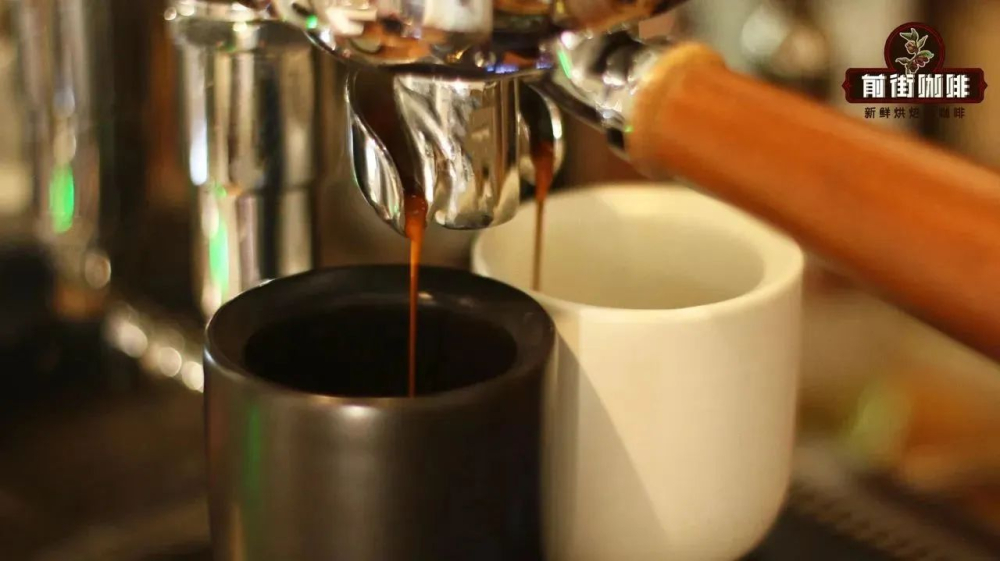
Under these parameters, the espresso often exhibits rich layers: upon the first sip, there’s a strong presence of wine-like aromas and berry acidity; as the temperature drops, vanilla and creamy sweetness gradually emerge, with the finish leaving a smooth, soft dark chocolate aftertaste. The overall mouthfeel is round and silky—a desirable profile for many coffee enthusiasts. By strictly controlling the coffee-to-water ratio, grind size, and flow rate, even daily shots can maintain a high standard of extraction quality.
The above content is compiled by CoffeeHunters, a coffee news website.


