








Introduction:A high-quality espresso is the soul of all Italian-style coffee. From the selection and aging of beans, to the fine-tuning of grind size and coffee-to-water ratio, every step directly influences the final flavor profile. Based on hands-on practice, this article takes an in-depth look at the complete process—from bean processing, grinder settings, portafilter temperature control, to extraction time and flow rate—guiding you to master the golden extraction parameters of 20g of coffee grounds yielding 40ml under 9 bar pressure within 20–30 seconds, creating a stable and flavor-balanced shot of espresso.
Espresso is not just the result of fast extraction, but the concentrated essence of coffee flavor. Originating from Italy, this classic beverage, with its rich taste and delicate layers, has become the foundation of global coffee culture. Whether it's a latte, cappuccino, or Americano, none can do without a well-extracted espresso as the base. To make an espresso that is balanced and full of complexity, every detail from bean selection, aging, grinding to extraction is crucial.
The History and Definition of Espresso
In Italian, "espresso" means "fast." This coffee, extracted under high pressure in a short period of time, originated in Italy and quickly became one of the most important symbols of local culinary culture. Early espressos had a strong flavor with pronounced bitterness and smokiness, but by the 1940s, with technological advancements and equipment improvements, it gradually evolved into the rich and balanced flavor we are familiar with today. In Chinese, whether referred to as espresso, Italian espresso, or rich coffee, they all point to the same form: a small cup of black coffee that is highly concentrated and extracted under high pressure.

Step 1: Bean Selection and Aging – Building the Flavor Foundation
To make an ideal espresso, using freshly roasted beans that have undergone proper aging is essential. Generally, espresso blends are used, combining beans from different regions and processing methods to achieve a rich crema and layered flavors. For example, blending sun-dried Yirgacheffe Red Cherry with Honduran beans fermented in sherry barrels can yield prominent fruit acidity, wine notes, and a dense chocolate character.
Freshly roasted coffee beans contain about 2% carbon dioxide, which is naturally released over time—a process known as "aging." Aging not only allows the aromatic compounds inside the beans to reach a more extractable state but also helps stabilize and release the crema. It’s recommended to let unopened coffee beans rest in a cool, dry place for about 10 days to allow excess gas to dissipate, prevent channeling, and ensure a stable extraction.
Step 2: Preparing the Bean Hopper and Grinder
Before grinding, don’t overlook how the amount of beans in the hopper can influence grind consistency. When the hopper is full, beans are under more pressure, resulting in a more uniform and compact grind; when the bean level drops, the beans become looser, potentially leading to a slightly coarser grind. In addition, regular cleaning of the grinder is essential. Residual coffee grounds and oils not only affect flavor but may also interfere with the stability of subsequent extractions.
Also, pay attention to the temperature of the grinder burrs during operation. If running continuously for more than three minutes, the burrs may overheat, not only affecting the coffee flavor but also causing uneven grinding due to static electricity. It’s advised to let the burrs rest for one minute after every three minutes of operation.
Step 3: Adjusting Grind Size and Key Parameters
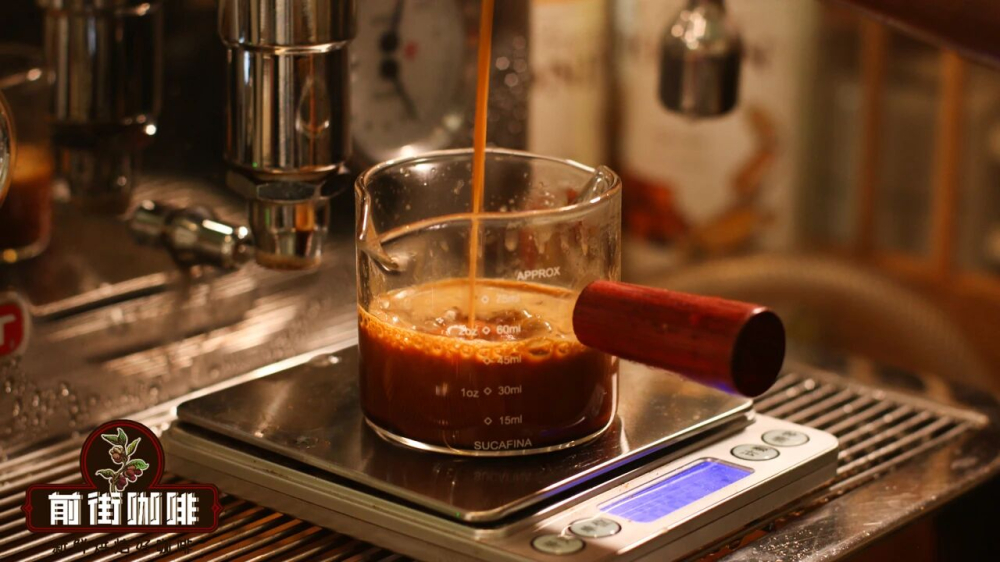
The grind size for espresso isn’t fixed but needs real-time fine-tuning based on current temperature, humidity, bean condition, and extraction feedback. Generally, a grind that is too fine will prolong extraction time, leading to over-extraction and a noticeable bitter taste; a grind that is too coarse will cause water to flow too quickly, often resulting in under-extraction and a sour flavor. It’s recommended to aim for 20g of coffee grounds yielding 40ml of coffee liquid, targeting an extraction time between 20–30 seconds, and adjust according to actual flow rate.
Step 4: Portafilter Temperature and Dosing Technique
The temperature of the portafilter directly affects the release of coffee flavors. A high-temperature portafilter may accelerate aroma evaporation, leading to flavor loss; a low-temperature portafilter may suppress flavor release, resulting in incomplete extraction. Ideally, the portafilter should be kept at room temperature, and extraction should begin immediately after attaching the handle to minimize the impact of high temperatures on flavor molecules.
When dosing, it’s recommended to distribute the grounds evenly by sweeping them at a consistent speed while rotating the handle to ensure a uniform coffee bed. An uneven coffee bed can lead to inconsistent puck density, affecting water flow speed and uniformity, causing some areas to be over-extracted and others under-extracted.
Step 5: Distribution and Tamping Details
When using a distribution tool, adjust the height appropriately based on the dose to avoid creating a depression from being too high or uneven compression from being too low. The evenness of distribution directly impacts the stability of tamping and subsequent extraction.
When tamping, the direction must be straight downward to prevent the pressurized water from seeking the path of least resistance, which can lead to uneven extraction. The tamping pressure should be adjusted based on grind size and flow rate. It’s recommended to aim for an extraction time of around 25±3 seconds. Too light or too heavy tamping will affect the final flavor balance.
Step 6: Extraction Parameters and Flavor Profile
Stable extraction comes from precise parameter control. It’s recommended to use 9 bar pressure, with water temperature maintained between 90.5–96°C, a dose of 20g, aiming to extract 40ml of coffee liquid, with the total time kept within 20–30 seconds. These extraction conditions help balance sweet, sour, bitter, and salty notes, bringing out the richness and layers that espresso should have.
Taking a blend of Honduran beans processed in sherry barrels and sun-dried Yirgacheffe Red Cherry as an example, the former provides a rich base with wine notes, while the latter contributes bright fruit acidity and berry tones, along with a chocolate and caramel finish. The overall flavor is rounded and dynamic. By mastering the key steps and parameters above, you too can consistently pull professional-grade espressos with balanced flavors and rich complexity.
The above content is compiled by CoffeeHunters, a coffee news website.


