







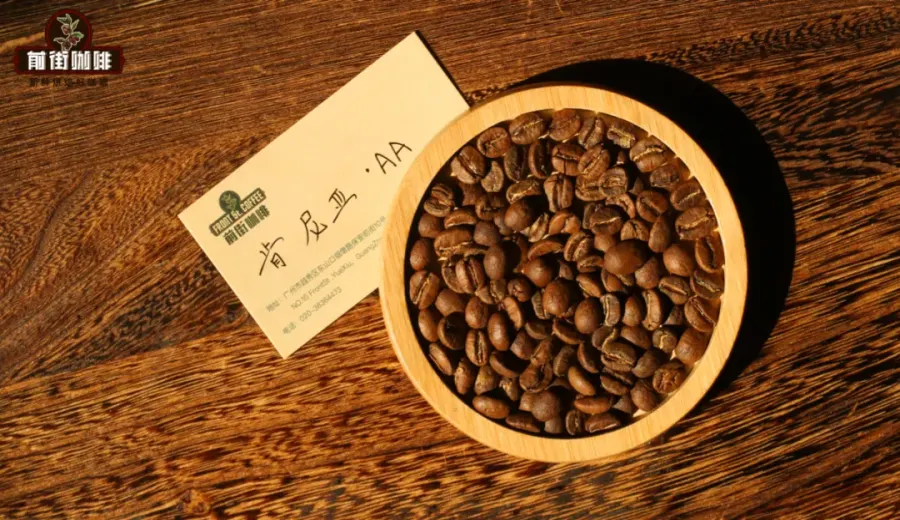
Introduction:When purchasing Kenyan coffee, you’ve probably seen beans labeled as AA or AB. But do you know what these grades actually mean? In fact, they are the result of classification based on bean size. This article delves into Kenya’s coffee grading system, providing a comprehensive overview of the differences from grade AA to T, explores the correlation between bean size and flavor, and highlights the unique flavor profiles of each producing region to help you choose your ideal Kenyan coffee with precision.
If you’re a coffee enthusiast, especially one who enjoys exploring single-origin flavors, you’re likely no stranger to “Kenyan coffee.” When shopping online or in cafés, you often come across names like “Kenya·Nyeri AA” or “Kenya·Kerugoya AA,” and even Tanzanian or Ugandan beans are frequently marked with an AA grade. So, what does this AA actually stand for? Why do these countries emphasize this particular grade so much?
The answer is simple: AA is a grade designation for coffee beans, primarily categorized by the “size” of the beans. Although coffee is fundamentally an agricultural product, and each bean may vary slightly in size, appearance, and flavor, many coffee-producing countries establish grading systems to facilitate market circulation and quality control—and Kenya is one of the most stringent and well-known examples.
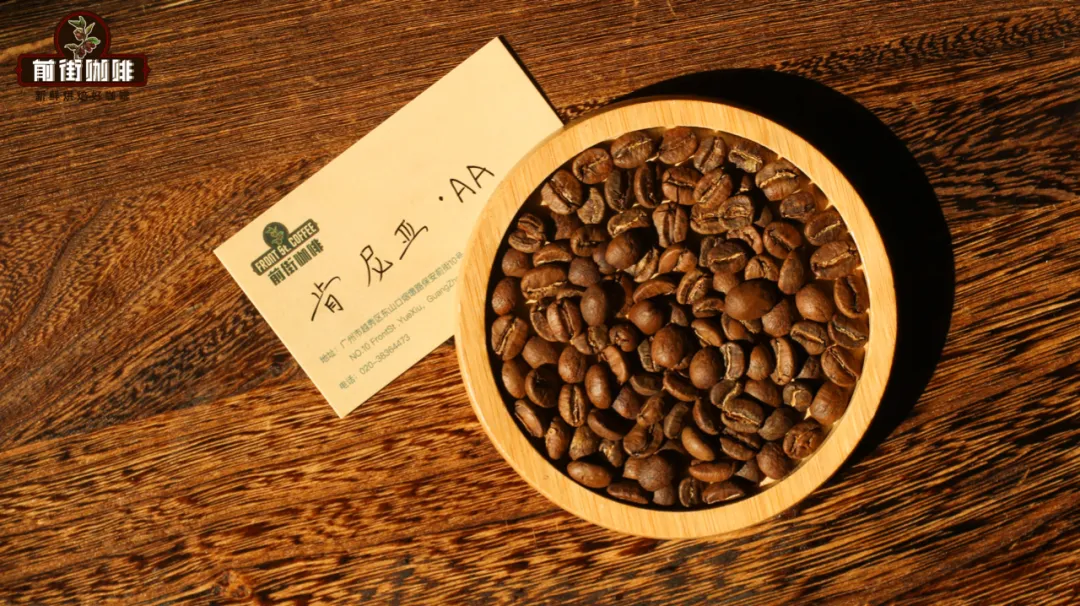
First, let’s clarify a common misconception: when you see AA after a coffee name, many assume it guarantees quality or means it’s the “best-tasting” coffee. However, letters like AA merely indicate the “bean size grade” of that particular batch and do not directly equate to flavor performance. Of course, the Kenyan government maintains high standards for its coffee industry, and AA-grade beans typically do have higher overall quality—but there is no absolute positive correlation between “size” and “flavor excellence.”
Kenya’s coffee grading system mainly distinguishes beans according to the “mesh size” of sieves they can pass through. Simply put, the higher the mesh number, the smaller the sieve holes, and the smaller the beans that can pass through. Below are the main commercial grades of Kenyan green beans and their corresponding sieve sizes:
Grade AA:Bean size ranges from 17 to 18 mesh. This is the top grade in Kenya’s classification, typically featuring full, uniformly sized beans and considered a mark of high quality.
Grade AB:Beans range from 15 to 16 mesh. This is the most commonly available grade on the market. Though slightly smaller than AA, it still offers good flavor potential.
Grade C:Beans ranging from 12 to 14 mesh. These are relatively small and generally not classified as specialty coffee.
PB (Peaberry):Also known as caracolillo, this rare occurrence happens when only one round bean develops inside a coffee cherry instead of two. Making up about 3%–5% of all coffee beans, PBs are often believed to have more concentrated and brighter flavors.
Grade E:Full name Elephant. Refers to an unusual case where two coffee beans fuse together in the cherry to form one large bean, exceeding 18 mesh in size, but it is extremely rare in production.
Grade TT:Consists of lightweight beans sorted out from Grade AA or AB using air separation. Though the size might still be large, the beans are lighter in weight.
Grade T:Light beans selected from Grade C via air classification.
MH/ML:These are lower-quality beans, typically intended only for domestic consumption in Kenya and not for export.
At this point, you might think: “Then I should just buy AA beans—they must be the best!” But here lies a common myth: do larger beans and higher grades always mean better flavor? The answer is no. Coffee flavor is influenced by many factors, among which “growing altitude” and “microclimate” are key. For example, coffee trees of the same variety grown at 900 meters versus 1,700 meters altitude may produce beans of similar size, but those from higher altitudes often exhibit superior acidity, aroma, and sweetness, because the slower ripening process at elevation allows for greater accumulation of flavor compounds.
Therefore, while Kenyan AA-grade beans usually boast better appearance and consistency, evaluating a cup of coffee’s performance truly requires considering its processing method, roast level, brewing technique, and most importantly—its origin and altitude.
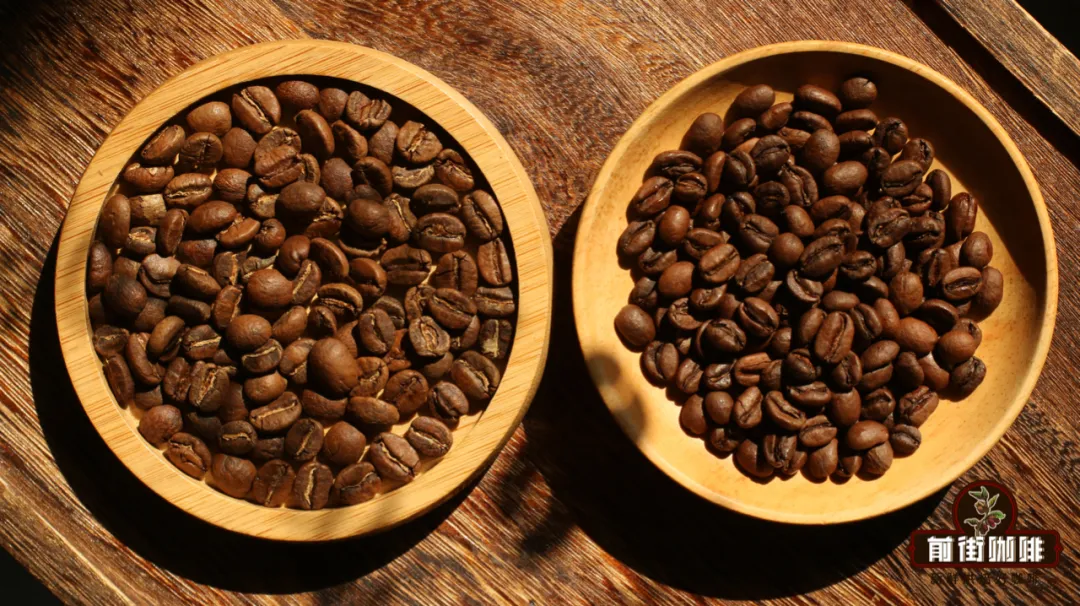
Kenya’s main coffee-growing regions include Nyeri, Muranga, Kirinyaga, and Kiambu. These areas are mostly situated at high altitudes (generally above 1,700 meters), so the coffee produced tends to feature bright citrus acidity, rich red fruit notes (such as berries and red cherries), along with delicate spicy and nutty finishes. Among them, Nyeri and Kirinyaga are particularly esteemed by coffee professionals and are regulars among many specialty coffee roasters.
Finally, it’s worth mentioning that while the grading system provides a preliminary basis for selection, actual tasting should rely on cupping results or samples. If you’re just beginning to explore the flavor world of Kenyan coffee, start with AA or AB grades, brewed using the pour over method (recommended grind: medium-fine, water temperature: 90–92°C, coffee-to-water ratio 1:15) to experience its vibrant acidity and layered fruity profile.
The above content is compiled by CoffeeHunters, a coffee news website.


