







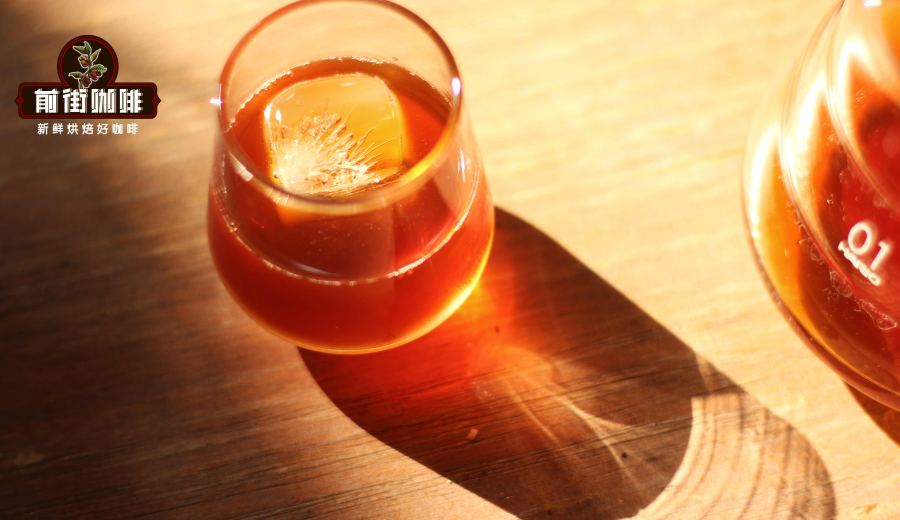
Introduction:To brew a cup of cold brew coffee with captivating flavors, it’s not just about choosing the right beans — you also need to master the art of pairing roast levels with grind sizes. This article takes an in-depth look at how light roast, medium roast, and dark roast coffees differ in cold brew performance, explains why a coarse grind is the only choice for cold brew, and recommends suitable beans for various flavor preferences, helping you easily dial in your ideal iced pour-over or cold brew.
The charm of cold brew coffee lies not only in its refreshing low acidity and suitability for summer sipping, but also in its ability to showcase the layered character and individuality of coffee beans. However, brewing a truly great cup of cold brew involves many nuances from the very start, especially when it comes to roast level and grind size — these two factors directly impact the final extraction results and flavor profile.
Roast level refers to the degree of heat applied to coffee beans during the roasting process, typically categorized into light roast, medium roast, and dark roast. This not only affects the color of the beans, but is also closely tied to the transformation of internal components, particularly the caramelization of sugars, which significantly influences the balance between acidity, sweetness, and bitterness. Grind size, on the other hand, determines the surface area and rate of contact between water and coffee grounds — a critical factor for cold brew, which requires a long steeping time.
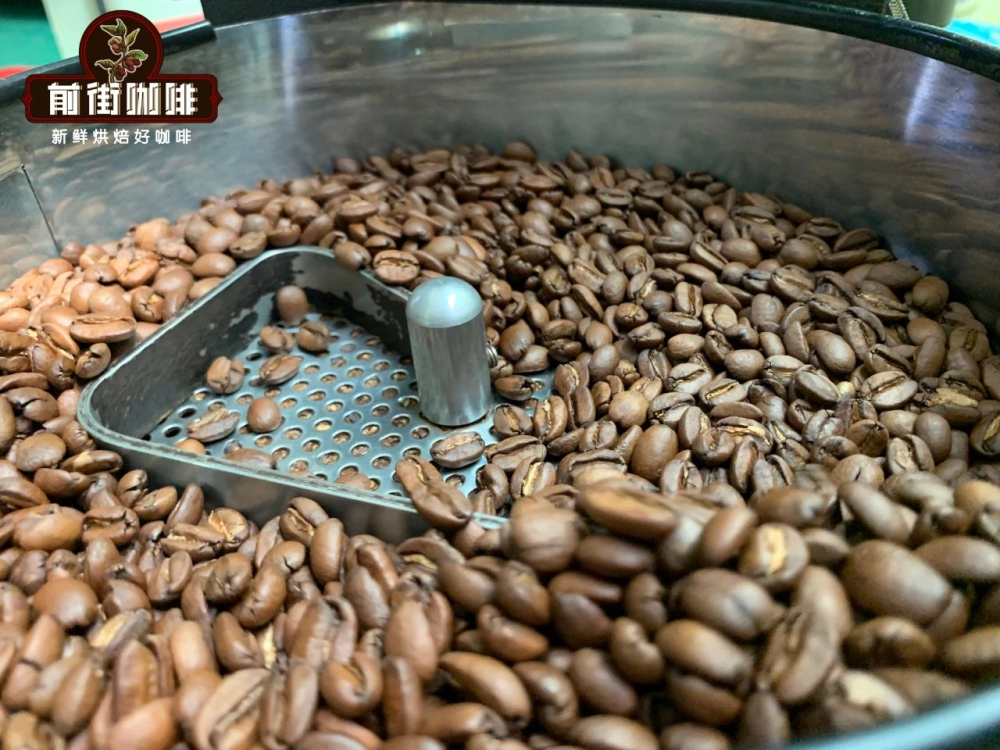
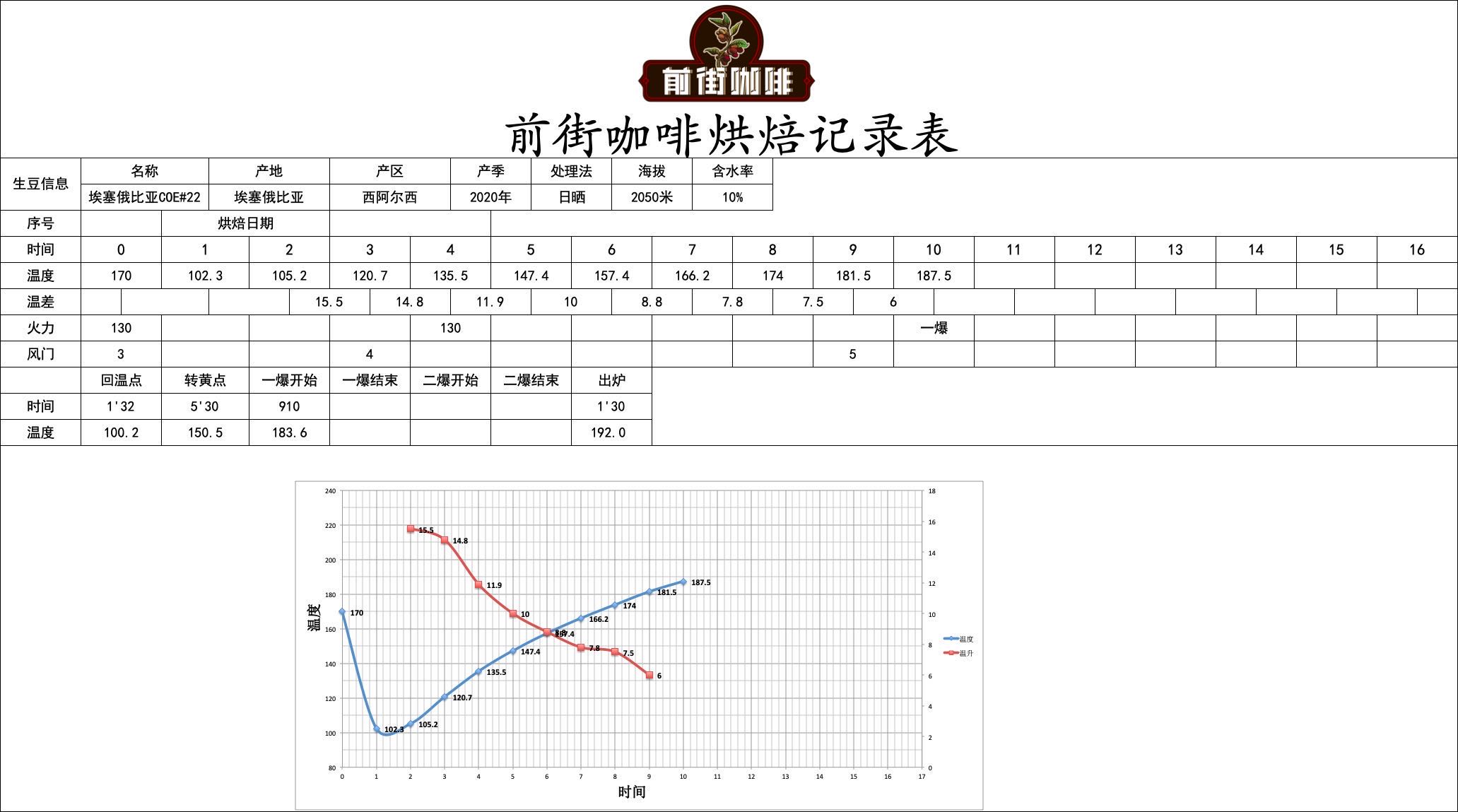
Light roast coffee, due to its shorter roasting duration, retains more of the bean’s original acidity and fruity floral notes, often used to highlight the bean’s inherent characteristics. For example, beans from Ethiopia, known for their delicate floral and fruity tones, can present bright citrus and lychee flavors with a light fermentation wine aroma when roasted lightly. These are ideal for those who prefer a clean and layered taste. When used for cold brew, such beans can deliver a subtle, green-tea-like elegance with a long-lasting aftertaste.
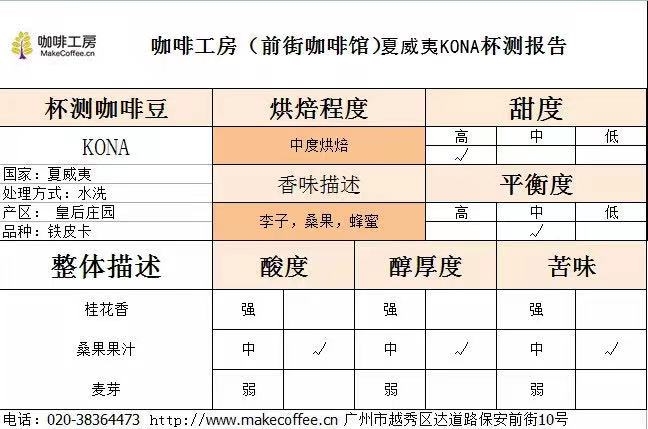
Medium roast strikes a balance, with moderate caramelization that results in good sweetness and body. Take a certain brand’s Kona beans, for instance — under medium roast, they show mulberry-like aromas along with smooth malted sweetness, leaving a mellow and comforting finish. In cold brew, these beans offer a rounded mouthfeel, perfect for those who enjoy a harmonious blend without too much acidity or bitterness. If you prefer cold brew that balances fruitiness and sweetness, medium roast coffee is a great choice.
Dark roast coffee, subjected to prolonged high heat, develops bold, rich flavors with chocolatey and smoky undertones. However, due to the intense flavor profile of dark roast beans, using them for cold brew can lead to excessive bitterness if steeped for too long, as more astringent compounds are released. It is generally recommended to reduce the extraction time. Dark roast beans also have richer surface oils, which aren’t ideal for cold brew. But if you enjoy strong flavors, you can opt to shorten the steeping time — for example, within 12 hours — to still enjoy the deep richness and fullness that dark roast offers.
As for grind size, this is a key point many beginners overlook. Cold brew is a low-temperature, long-duration immersion extraction method, so it requiresa coarse grind,similar in size to coarse sugar or sea salt. This level of coarseness ensures sufficient contact between water and coffee grounds while avoiding over-extraction, which could lead to bitterness. Grinding too fine not only accelerates extraction, but can also release excessive impurities, resulting in a rough mouthfeel with pronounced acidity and astringency.
When making cold drip coffee, the EK43S-10 grind setting is commonly used — a coarseness specifically designed for extended extraction, allowing stable flavor release without over-extraction. If you’re brewing at home, adjust your grinder to the “coarse” or “cold drip” setting as indicated, and fine-tune based on the brewing results.
Overall, coffee beans of different roast levels can all be used for cold brew, but the resulting flavor profiles vary significantly. Light roast suits those who enjoy fresh fruity acidity with a tea-like undertone; medium roast caters to those seeking balanced sweetness and mouthfeel; and dark roast offers a bold, rich option — though care must be taken to control time and grind size.
If you’re new to cold brew, you might want to start with a medium roast bean like Strawberry Sugar, which features floral-fruity notes with bright acidity and elegant sweetness, delivering a soft fruitiness and smooth aftertaste. Alternatively, choose a light roast like Fruit Ding Ding, whose jasmine flower and sweet orange tones become even silkier after more than 16 hours of cold brew, leaving a refreshing aftertaste reminiscent of green tea. Remember, adjusting your grind size and steeping time is the key to finding your own perfect flavor profile.
The above content is compiled by CoffeeHunters, a coffee news website.


