







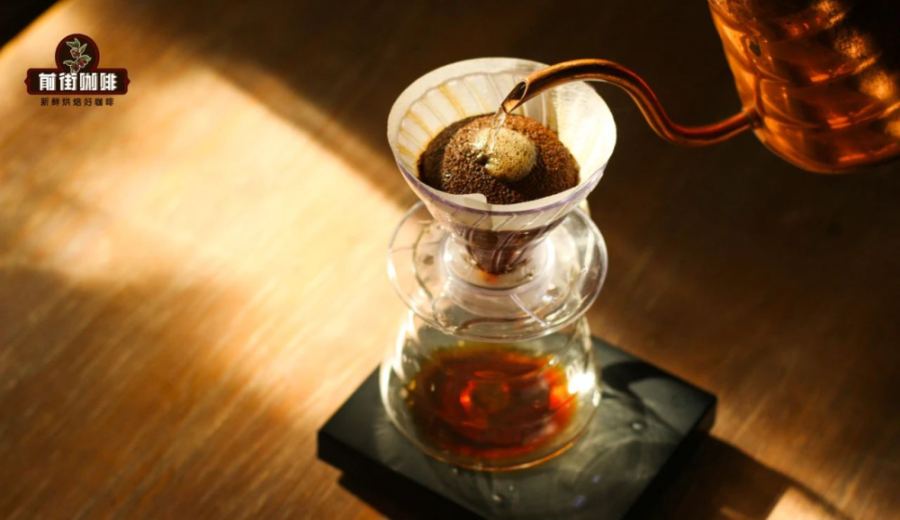
Introduction:For beginners just stepping into the world of pour over coffee, choosing the right coffee beans is far more crucial than investing in high-end equipment. This article carefully selects several high-value single-origin coffee beans from globally renowned regions such as Brazil, Ethiopia, and Panama. It provides a detailed analysis of each bean’s flavor profile and recommended brewing methods, as well as recommending reliable and stable roasting brands, helping readers easily find their own entry-level beans and enjoy the pure pleasure of pour over.
The charm of pour over coffee lies not only in its ability to showcase the most authentic layers of flavor in coffee beans, but also in the unique sense of ritual throughout the brewing process. For beginners, rather than being intimidated by complicated equipment and techniques, it’s better to start with selecting a coffee bean that’s suitable for entry level. This article will introduce to you several high-value single-origin coffee beans from classic producing regions around the world, and provide practical bean selection advice, so that whether you’re practicing pour over techniques or looking for a daily drinker, you can get started quickly.
When purchasing coffee beans, it is recommended to prioritize suppliers with stable roasting quality. Freshly roasted coffee beans can usually exhibit their optimal flavors during extraction, so it’s advisable to choose products with a roast date within 5 days and pay attention to whether fast delivery services are offered.
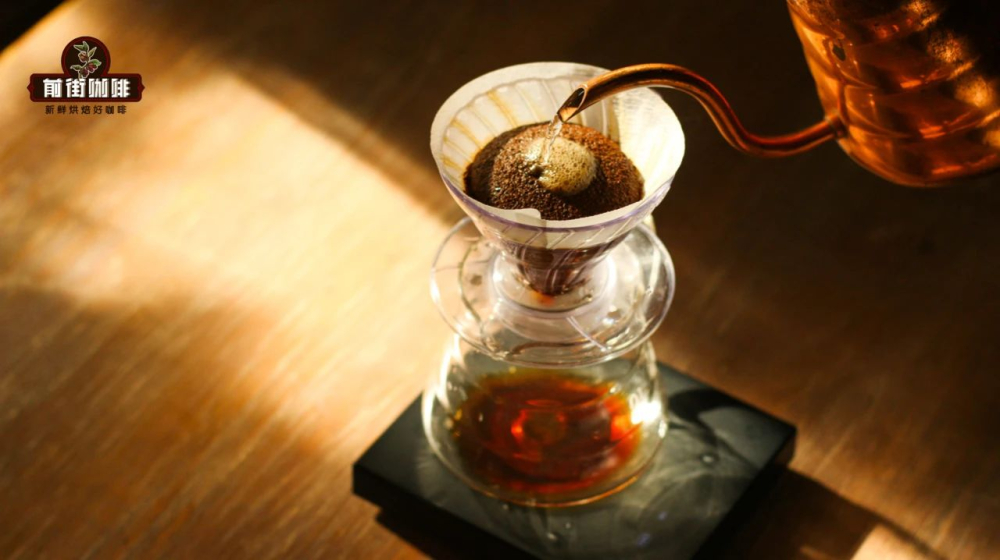
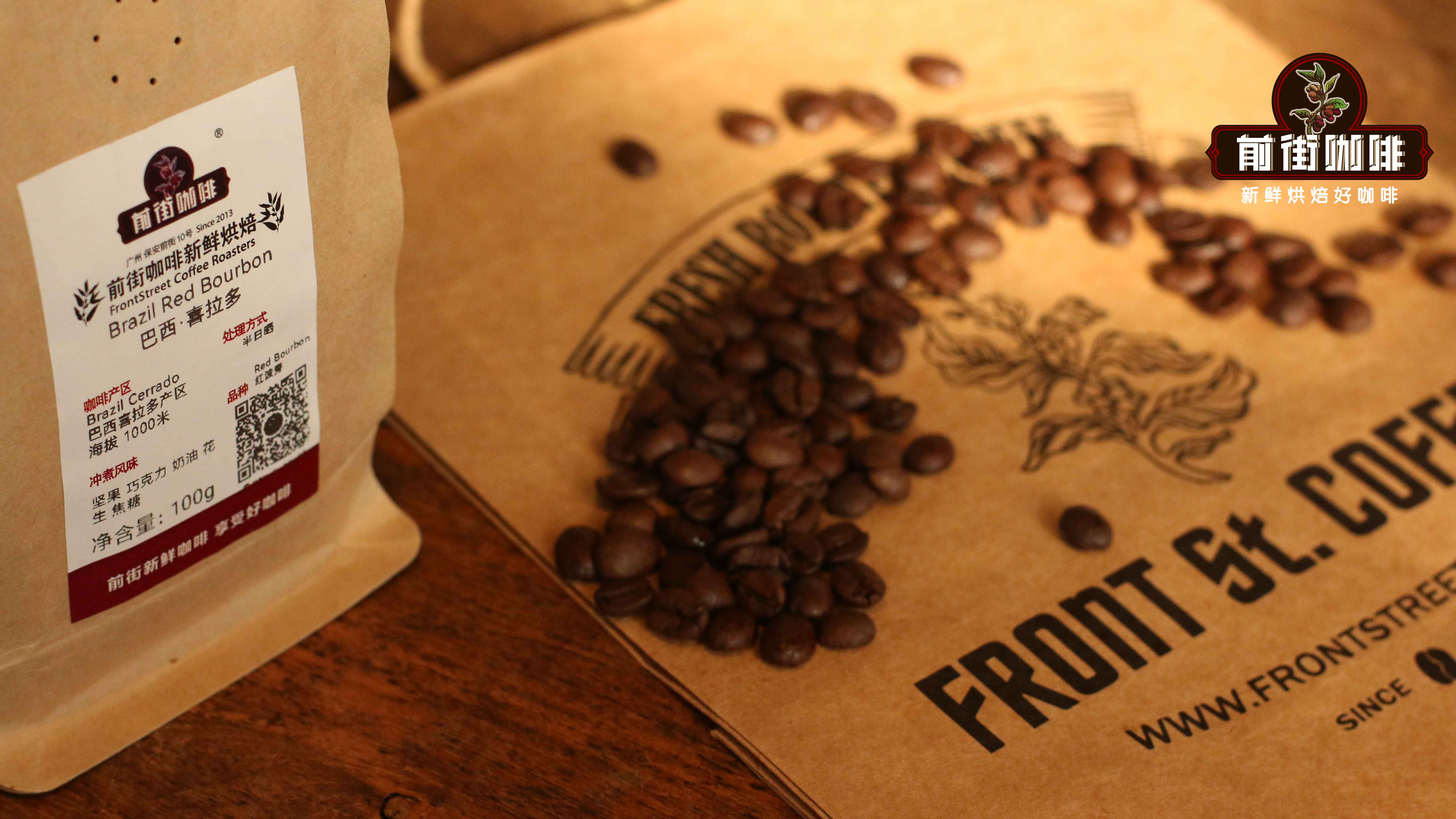
The Red Bourbon variety from the Cerrado region of Brazil is known for its full-bodied taste brought by medium roasting. This coffee bean emits distinct nutty and chocolatey aromas, and offers a creamy, silky texture on the palate. For beginners who are just starting to explore pour over, it is a very beginner-friendly choice. It’s worth mentioning that this bean performs consistently across different brewing devices—whether using a pour over kettle, French press, or moka pot, it delivers a balanced flavor, making it a versatile bean for entry-level practice.
If you want to explore the bright acidity in coffee, Ethiopian washed Yirgacheffe is definitely a classic not to be missed. This coffee bean from the Horn of Africa, after being washed, retains a vivid citrus tone and delicate floral notes. Its acidity is refreshing yet not harsh, making it very suitable for coffee lovers who enjoy fruity acidity. As a daily drinker, its cost-performance ratio is also outstanding, allowing you to practice your pour over skills while enjoying the unique terroir flavors from the origin of coffee.
Known as the “commoner’s Geisha,” Panama Geisha Butterfly is a high-value option that blends the characteristics of the Geisha variety. This blend of 70% Geisha and 30% Catuai and Caturra exhibits clear floral and citrus notes when brewed, with a natural honey-like sweetness in the aftertaste. Although relatively affordable, it can deliver flavor characteristics close to those of premium Geisha, making it an extremely attractive choice for readers on a budget who want to experience high-end flavors.
The washed coffee from the Tarrazú region of Costa Rica is known for its balanced acidity and sweetness. This coffee bean carries distinct orange and citrus fruit aromas, along with a mild nutty tone. The overall flavor profile is clear without being overpowering. The moderate acidity and sweetness pairing make it an ideal choice for practicing control of water temperature and pouring speed, especially recommended for beginners wanting to improve their pour over technique.
The medium-dark roasted coffee beans from the Huila region of Colombia exhibit rich nutty and chocolatey flavors. After being washed, these beans release a mellow caramel aroma during brewing, accompanied by a smooth fruity acidity in the aftertaste. Its stable quality and affordable price make it a daily favorite for many coffee enthusiasts, suitable for both solo enjoyment or pairing with desserts.
The small-bean coffee from the Yunnan region has gradually gained market attention in recent years. This coffee bean stands out for its neutral acidity-sweetness balance and rich layers of aroma. When brewed, you can perceive subtle fruity aromas reminiscent of melon, along with brown sugar sweetness, paired with soft plum-like acidity and a black tea-like full-bodied mouthfeel. For readers wanting to try domestic specialty coffee, this is a worthwhile entry-level choice.
Finally, we introduce Indonesian Mandheling, representing the typical flavor characteristics of Asian Arabica coffee. After dark roasting, this coffee bean exhibits intense caramel, spice, and dark chocolate aromas, along with a unique herbal tone. Its full-bodied mouthfeel and long-lasting aftertaste are particularly suitable for coffee lovers who enjoy strong flavor profiles, and it’s also an excellent choice for a warming winter drink.
The above content is compiled by CoffeeHunters, a coffee news website.


