







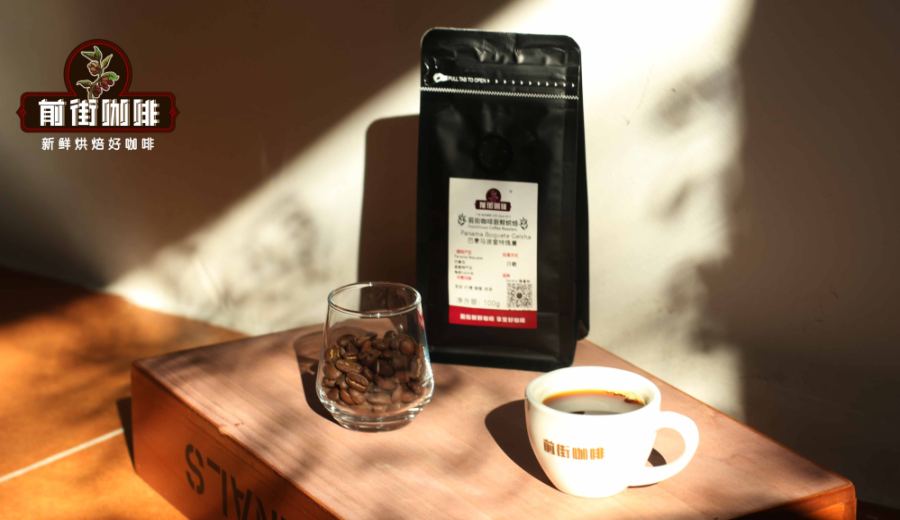
Introduction:Geisha coffee is renowned for its distinctive floral and fruity aroma and richly layered sweetness, but its price tag — often running into thousands of yuan per kilogram — has left many curious about the reasons behind it. This article delves into the variety’s history, growing conditions, pricing factors, and offers practical pour-over techniques and parameter suggestions to help coffee enthusiasts fully appreciate the allure and challenges of this premium bean.
Geisha coffee is hailed as a treasure in the specialty coffee world, captivating countless enthusiasts with its bright, delicate floral-fruity notes and multi-layered sweetness. Yet, its price — reaching several thousand or even tens of thousands of yuan per kilogram — deters many. What exactly makes Geisha so expensive? From its accidental discovery in the Ethiopian forests in 1931 to its meticulous cultivation at Panama’s Hacienda La Esmeralda and its dazzling performances in international competitions, the journey of Geisha is nothing short of legendary. This article provides a detailed look at the origin of the Geisha variety, its growing characteristics, the reasons behind its price, along with pour-over tips and parameter advice, to give readers an in-depth understanding of this highly acclaimed top-tier coffee.
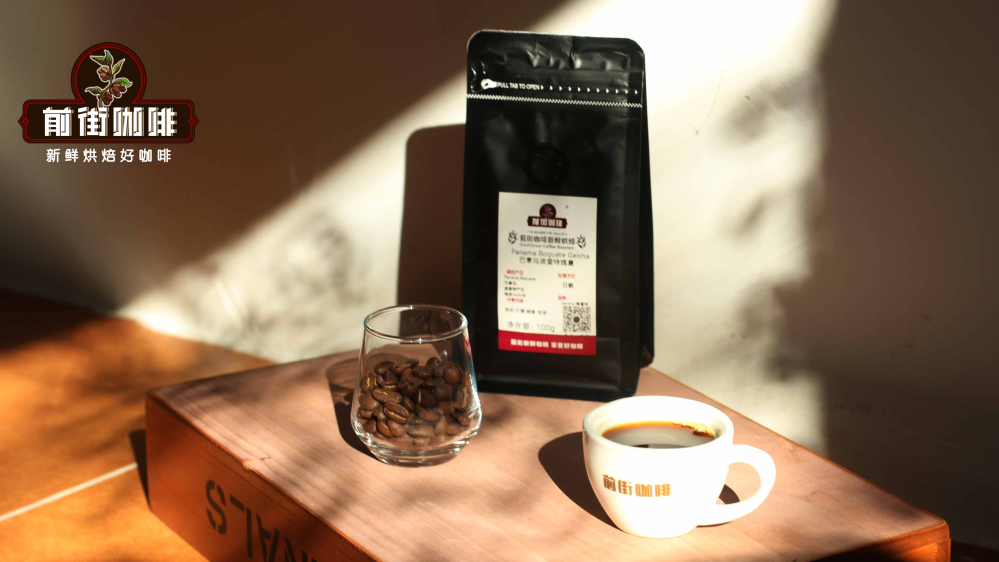
The name “Geisha” originates from the Japanese word for “geisha,” due to the similarity in pronunciation. Compared to other well-known regional coffees such as Blue Mountain, Hawaiian Kona, or Mandheling, Geisha boasts more pronounced and enchanting floral and fruity aromas, with a sweetness as intense and nuanced as tropical fruits. For many coffee lovers, Geisha is not just a coffee, but a sensory delight — its fresh yet complex floral-fruity profile, high-intensity fruity flavors, and soft, delicate acidity leave a lasting impression.
Geisha was first discovered in 1931 in the Gesha forest in southwestern Ethiopia. It was then sent to the Kenya Coffee Research Institute for study, later introduced to Uganda and Tanzania in 1936, to Costa Rica in 1953, and only made its way to Panama in 1970. Initially, the variety didn’t receive much attention until 2003, when Panama’s Hacienda La Esmeralda isolated Geisha from other varieties and planted it separately. It then won top honors at the 2004 Best of Panama (BOP) competition, which thrust Geisha into the international spotlight.

The captivating flavor profile of Geisha is inseparable from its stringent growing conditions. This variety thrives best at high altitudes, typically above 1,700 meters, in regions with cloud cover or tree shade, coupled with fertile soil, to develop its unique characteristics. The high altitude slows the ripening of the cherries, allowing them to accumulate more complex flavor compounds and resulting in distinct floral notes and refined fruity acidity.
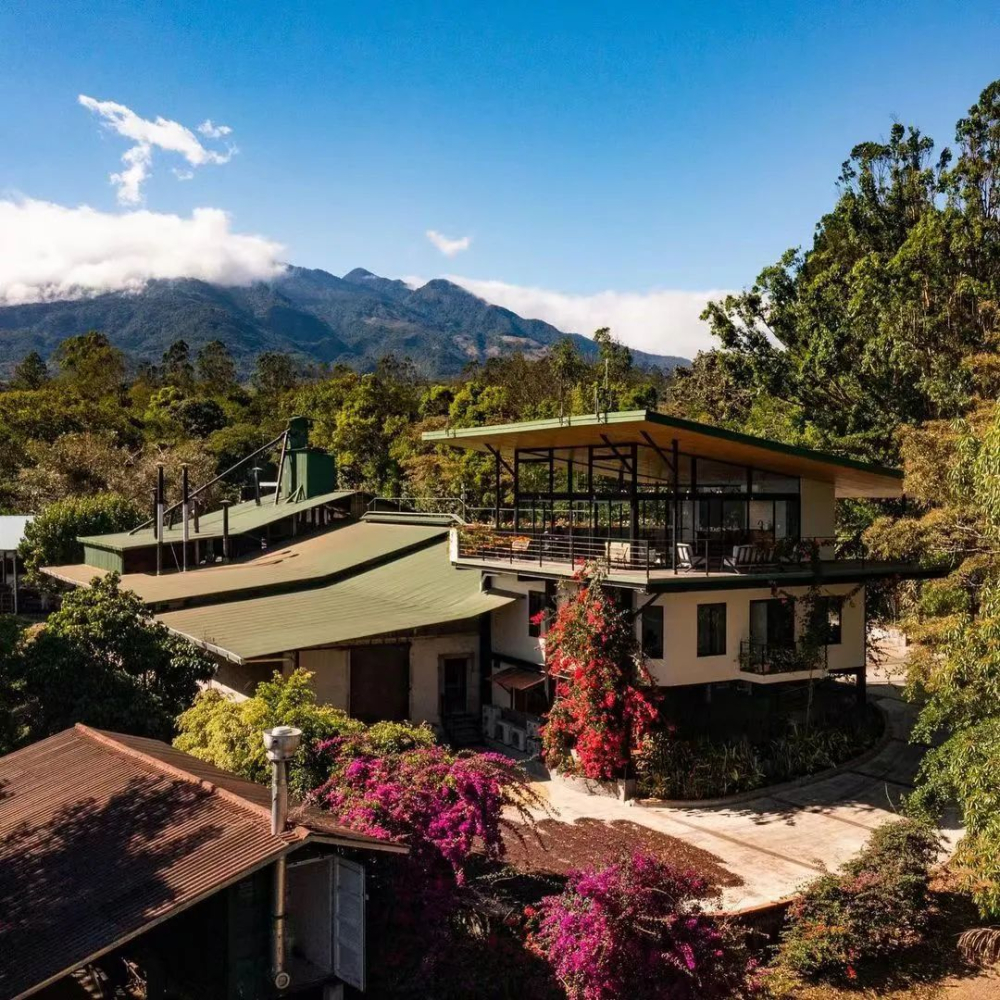
In Panama, some of the finest Geisha is grown at elevations between 1,700 and 1,950 meters, such as the renowned Elida Estate. These areas not only feature sufficient altitude, but also significant day-night temperature variations, which help concentrate the flavors in the coffee cherries. However, Geisha’s pickiness isn’t limited to altitude alone — it also demands high soil fertility, proper shading conditions, and stable climate, making regions capable of producing high-quality Geisha relatively rare.
Compared to other common Arabica varieties, Geisha has extremely low yields, which is one of the main reasons for its high price. Geisha coffee trees produce roughly half the yield of Catuai, have a thin leaf system leading to lower photosynthesis efficiency, and possess shallow roots that limit their ability to absorb water and nutrients. This results in slow, delicate growth. Cultivating Geisha demands significantly more effort and resources, with scarce harvests, making each batch of Geisha coffee exceptionally precious.
Moreover, Geisha requires relatively high-level cultivation techniques. In the early stages, traditional pruning methods must be used, and the seedlings need sufficient shade trees to protect them from direct sunlight. Geisha grown at high altitudes takes longer to ripen, requiring growers to wait for the optimal time for manual harvesting and quickly carry out post-harvest processing — any delay or mistake can impact the final flavor. All these factors add to the difficulty and cost of cultivating Geisha.
The high price of Geisha isn’t solely due to its limited production; its unique flavor is equally pivotal. To fully realize Geisha’s potential, every step — from harvesting timing, post-harvest processing, to roasting and brewing — must be precisely controlled. Take the auction-grade Geisha from Hacienda La Esmeralda as an example: its premium pricing is not only due to its repeated BOP championships, but also because it has established a high-standard quality management system. Auction-grade Geisha is usually only available through bidding — for instance, at the 2017 Panama Specialty Coffee Auction, a lot of natural-process Geisha sold for $601 per pound, equivalent to approximately 8,900 RMB per kilogram of green beans.
For general consumers, high-quality non-auction Geisha, such as the Hacienda La Esmeralda Red Label or Green Label grades, also offer an excellent way to enjoy premium Geisha at more accessible prices, still delivering outstanding flavor profiles. Geisha from different regions and estates may vary in price and flavor due to microclimates and processing methods. Consumers are advised to choose products that suit their personal preferences.
If you’ve purchased Geisha coffee beans from a brand, it’s recommended to let the beans rest for 3–4 days after arrival, allowing them to “degas” within their original packaging to achieve a rounder flavor. For pour-over brewing, it’s recommended to use a V60 #01 filter cone, with around 15 grams of coffee grounds, a 1:15 coffee-to-water ratio, and water temperature controlled at 90–91°C. The grind size should be medium-fine, aiming for an 80% extraction rate through a standard #20 sieve. Use the three-pour method: start with a 30-second bloom using 30 grams of water, followed by the second pour, circling to reach 125 grams. When the liquid level drops to two-thirds of the coffee bed, proceed with the third pour to 225 grams. The total extraction time should be around 2 minutes and 10 seconds to 2 minutes and 20 seconds. This will allow you to fully experience the refreshing floral notes, citrus tones, and tropical fruit flavors of Geisha coffee, with a lingering tea-like finish, smooth mouthfeel, and rich layers of complexity.
The above content is compiled by CoffeeHunters, a coffee news website.


