








Introduction:The charm of pour over coffee lies in how diverse brewing techniques can bring out distinctly different flavor profiles. This article delves into six classic pour over methods — including single pour, three-part, 4-6 method, three-temperature, volcano pour, and stirring method — breaking down everything from pouring rhythm and brew ratio settings to flavor characteristics, along with practical operation details and common pitfalls. Whether you're a beginner looking to build a foundation or an advanced enthusiast seeking breakthroughs, you'll find key insights to elevate your extraction quality.
The versatility of pour over coffee stems from the unique flavor expressions created by different brewing techniques. This article will systematically introduce six widely used pour over methods, covering the full spectrum from basic to advanced, helping coffee lovers choose the most suitable brewing strategy based on bean characteristics and personal preferences.

Among the many single-origin coffee preparation techniques, the variability of pour over methods remains a constant topic of discussion. From the straightforward single pour to the dynamic volcano pour, each approach embodies a unique understanding of how coffee flavors are released. We’ll take a detailed look at the core logic behind these techniques and provide actionable parameter recommendations you can implement right away.
First up is the "single pour" technique, its name derived from the Japanese swordsmanship concept of "one strike, one kill." In practice, this method divides the total pouring process into two clear stages: first, a 30-second bloom with 30 ml of hot water (recommended water temperature: 92–94°C), followed by a single pour of the remaining 195 ml (using 15 g of coffee grounds as an example). The advantage of this technique lies in its simplicity and the clarity of its flavor profile, making it particularly well-suited for highlighting bright fruit acids and floral notes.
The "three-part" method, considered a standard procedure, demonstrates more refined flavor control. Using the golden ratio of 15 g of coffee to 225 ml of water as an example, its typical process is: 30 ml bloom → 95 ml mid-stage pour → 100 ml final pour, taking about 2 minutes and 30 seconds in total. Through segmented pouring, it effectively prolongs the release of flavor compounds at different extraction stages,with the recommendation to use 93–94°C water in the first stage to enhance acidity, then gradually reduce to 90–91°C in later stages to balance body. Barista experience shows that this method excels particularly in showcasing the layered profiles of medium to light roasted beans.
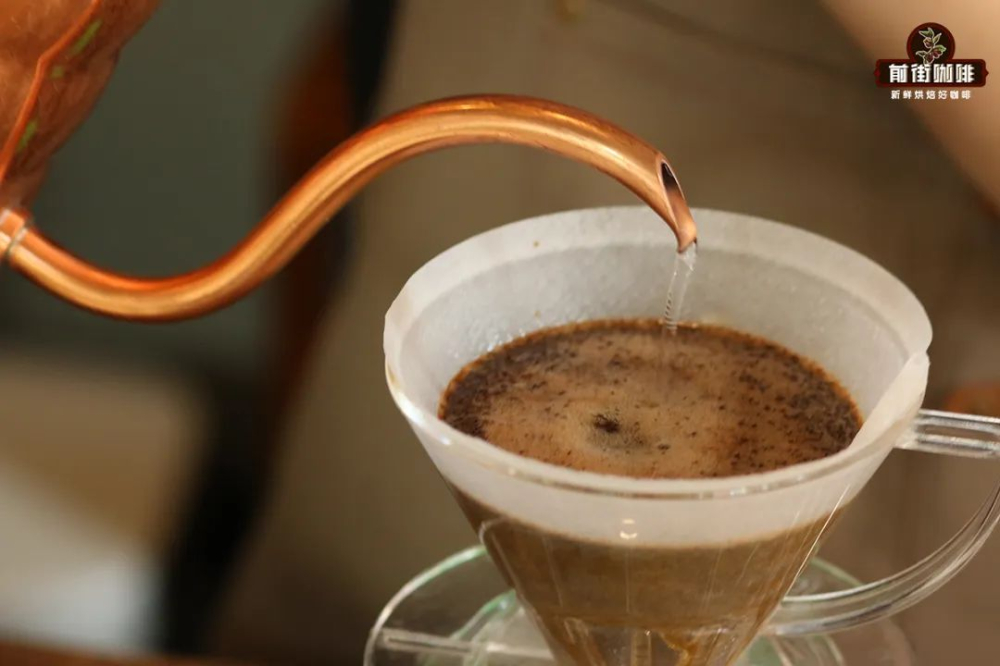
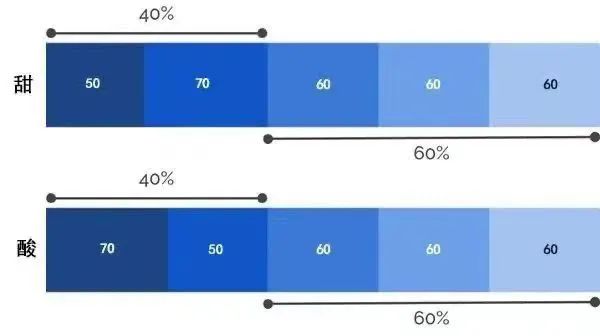
Developed by Japanese coffee master Tetsu Kasuya, the "4-6 method" is designed with a philosophy centered on "repeatable stability." This technique divides the total water volume of 300 ml (for 20 g of coffee) into two distinct segments: the first two pours of 60 ml each account for 40% of the total (emphasizing a balanced acidity and sweetness), while the latter three pours of 60 ml each make up 60% (shaping mouthfeel and body). Notably,because this method has a longer extraction time (usually around 3 minutes), the grind size must be adjusted to medium-coarse (recommended 50% extraction through a #20 sieve), otherwise over-extraction and bitterness can easily occur. Each pour is spaced strictly 45 seconds apart, including actual pouring time.
For temperature-sensitive coffee beans, the "three-temperature" variable temperature technique offers an innovative solution. Based on 16 g of coffee and 240 ml of water, its temperature curve is designed as follows: the first two segments, 40 + 60 ml, use 94°C high temperature to activate aromatic compounds; the third segment, 60 ml, drops to 90°C to stabilize extraction; and the final 40 ml uses 80°C to finish, avoiding over-extraction. This gradient temperature control strategy effectively manages the dissolution timing of flavor compounds with different molecular weights,making it especially suitable for handling highly complex limited-edition seasonal beans.
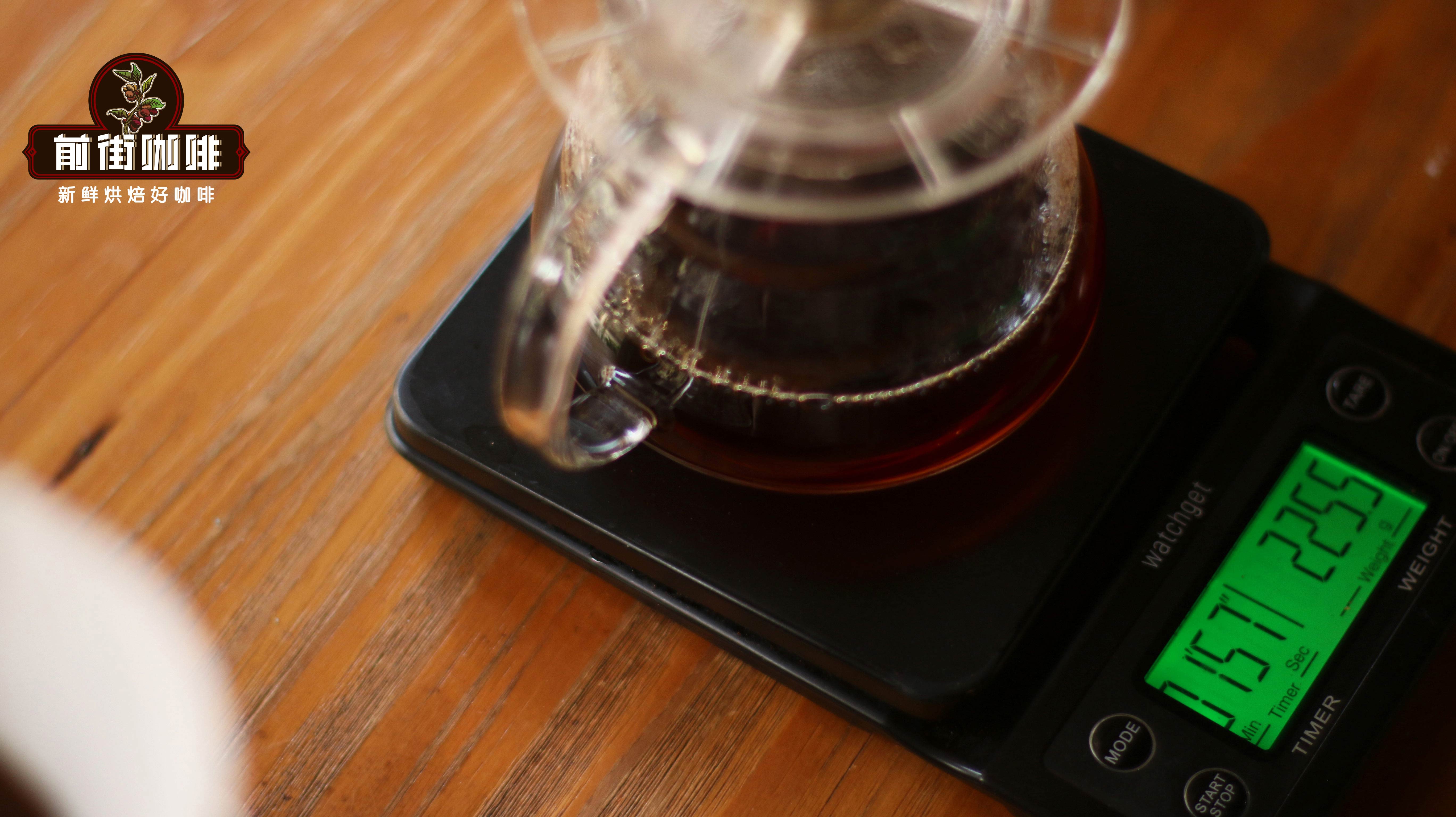
The visually stunning "volcano pour" draws from the characteristics of dark roasted beans. Using 30 g of coffee and 300 ml of water (a 1:10 coffee-to-water ratio) for a concentrated brew, its key steps include: first, a double bloom with 60 ml of hot water (recommended 93°C) for 30 seconds to fully release CO₂ and form a raised bed of grounds; then, a series of small, multiple pours (5–10 ml each) in the center area, using the penetrating power of the hot water to naturally collapse the coffee bed. This technique not only produces a dramatic blooming effect but also highlights the caramel-like sweetness and silky body typical of dark roasts.
The competition-level "stirring method" focuses on breakthroughs in extraction uniformity. During the bloom stage (30 ml of hot water,recommended duration: 45 seconds), a stirring stick is used to perform a three-dimensional rotational movement — first vertically stirring to ensure the bottom layer of grounds is contacted, then horizontally circling to promote even wetting. Practical considerations include:the stirring intensity should match the brew ratio (excessive stirring can lead to fine particle sedimentation), and dark roasted beans, due to their looser structure, require even more careful control. While this method can significantly improve extraction efficiency, it demands a higher level of technical proficiency from the operator.


A deeper analysis of the common principles behind these techniques reveals that they all essentially revolve around controlling the release sequence of acidity, sweetness, and bitterness. Beginners are advised to start with the three-part method to build foundational knowledge, then gradually explore other variations. No matter which method you choose, the key lies in understanding the correlation between bean characteristics (such as origin, processing method, roast level) and the corresponding technique parameters, in order to truly unlock the creative potential of pour over coffee.
The above content is compiled by CoffeeHunters, a coffee news website.


