







Introduction:Pour over coffee may seem simple, but it involves many details that affect flavor. This article systematically analyzes the core elements of pour over brewing, including water quality selection, coffee bean freshness, filter and grind pairing, water temperature control, blooming techniques, and pouring methods. With a special focus on the V60 three-stage extraction method, it provides specific parameters and operational suggestions to help beginners establish a stable brewing logic and gradually improve coffee quality.
Many who are just starting with pour over coffee often find the craft mysterious. In reality, once you grasp the basic brewing principles, many issues can be easily resolved. The stability of pour over coffee often depends on understanding and controlling each step. This article will break down the key points of pour over—water quality, coffee bean condition, equipment selection, grind size, water temperature, blooming, and pouring techniques—step by step. Using the V60 three-stage extraction as an example, it offers practical parameters and procedural guidance to help beginners build a systematic brewing process. Through repeated practice, the goal is to achieve consistent extraction.
For beginners in pour over brewing, there’s no need to overcomplicate things. Many instances of unstable brewing actually stem from a lack of understanding of the basics, leading to either over-extraction or under-extraction at times. This article shares a series of practical suggestions and techniques, emphasizing the importance of grasping underlying logic, clearly identifying the flavor profile you wish to achieve, and then gradually adjusting through hands-on practice. Most importantly, consistent practice is essential to make every cup of coffee more uniform in performance.
[Seven Key Elements of Pour Over Brewing]
01 Water Quality: The Foundation of Flavor
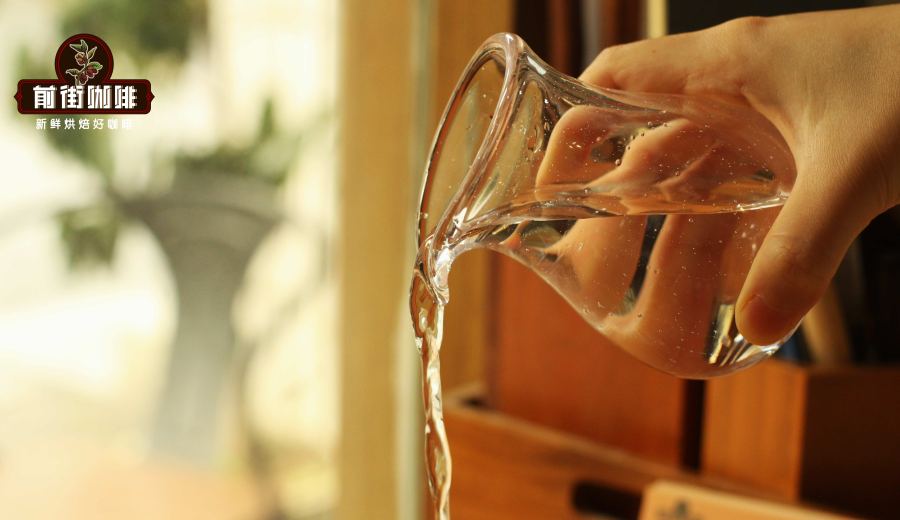
A high-quality pour over coffee relies on suitable water. It’s recommended to avoid using tap water directly and instead opt for filtered water, purified water, or mineral water. Notably, even with the same brewing parameters, different types of water can subtly affect the aroma, mouthfeel, and overall performance of the coffee. An experiment using [Sidamo Huakui coffee beans] showed clear differences in flavor based on the water source. The key lies in the mineral composition of the water—for example, ions such as calcium, magnesium, sodium, and potassium influence thermodynamic extraction efficiency, thereby altering the final flavor profile of the coffee.
02 Coffee Bean Freshness: The Key to Flavor
For pour over coffee, you can use single-origin beans or espresso beans, but if you want to deeply experience the unique charm of pour over, it’s recommended to prioritize single-origin beans with complete information—including origin, variety, and processing method—so you can more clearly perceive the distinct flavors of a single region. Freshly roasted coffee beans are crucial, as the flavor of roasted beans gradually declines over time. It is advised to let coffee beans rest for 4 to 7 days after roasting until the degassing period is over, after which their flavor will reach its peak. Typically, beans received within a week of the roast date offer the best flavor and are recommended to be consumed within a month to enjoy the richest taste profile.
03 Equipment and Filter Cup Selection: Finding the Right Match
Pour over brewing doesn’t require overly complex tools—a set of handy equipment is sufficient. There are various types of pour over kettles, such as flat spout kettles, palace kettles, and gooseneck kettles. Beginners are advised to choose a narrow-spout kettle, as its water flow is easier to control and less likely to negatively impact extraction due to overly forceful pouring. As for filter cups, the following three are beginner-friendly: The Kalita Wave filter cup, with its wave design, helps reduce uneven extraction and delivers a relatively mild mouthfeel; the Kono filter cup, with its single hole design, has a faster extraction speed and is suitable for dark roast beans—pairing it with a narrow-spout kettle is recommended; the Hario V60 excels in fast extraction, highlighting the distinct personality and layered flavors of the coffee, making it a top choice for most. For filter paper, bleached types are recommended to avoid potential off-flavors from unbleached paper, and be sure to choose filter paper that matches your filter cup model—for example, use a 01 filter with a 01 cup, and a 02 cup can use either a 01 or 02 filter.
04 Grind Size: The Core Factor Affecting Extraction
Grind size is a crucial factor influencing coffee concentration and extraction rate. Too fine a grind increases coffee strength and extraction rate but can easily lead to over-extraction, resulting in a bitter and astringent taste; too coarse a grind leads to low concentration and extraction rate, yielding a thin flavor. Generally, pour over coffee is recommended to use a medium-fine grind, similar in coarseness to white sugar, striking a good balance between flavor and extraction.
05 Water Temperature: Determining Extraction Efficiency
Water temperature directly impacts the speed of coffee extraction and its flavor performance. Higher temperatures (such as 90–91°C) are suitable for light to medium roasts, highlighting acidity and sweetness; medium to dark roasts are better brewed with lower temperatures (such as 88–85°C), which help bring out a rich and clean mouthfeel. When purchasing coffee beans, suggested brewing temperatures are usually provided and can serve as a reference.
06 Blooming: The First Step to Unlocking Flavor
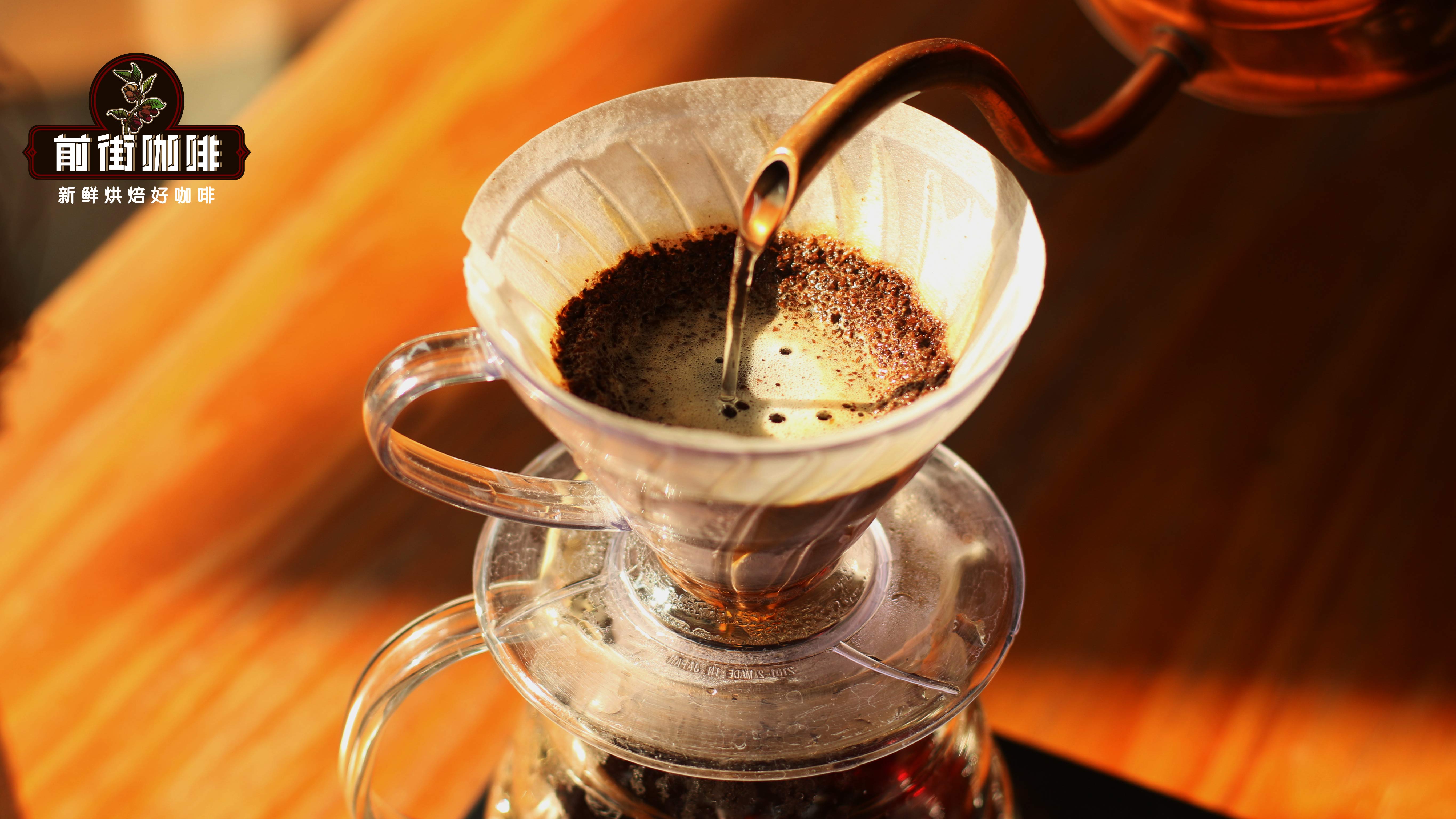
Blooming is a critical yet often overlooked step in the pour over process. Its primary function is to release carbon dioxide from the coffee grounds, especially noticeable in freshly roasted beans where bubbling is more prominent. Additionally, blooming allows the coffee grounds to evenly absorb water, laying a solid foundation for subsequent extraction. When blooming, gently shake the coffee grounds to flatten them—avoid pressing them down, as this can affect the density of the coffee bed. The blooming pour should be gentle, using about twice the weight of the coffee grounds in water (for example, 30 grams of water for 15 grams of coffee), and the time should be controlled between 30 to 35 seconds. Once the surface of the coffee grounds stops expanding and starts to slightly wrinkle, you can begin the main pour. Be sure to minimize dripping during the blooming phase—too much or too little can disrupt the balance of subsequent extraction.
07 Pouring Technique: The Soul of Stable Extraction
The way you pour water greatly affects the flavor of pour over coffee, with the key lying in controlling the water flow and maintaining stability. It’s recommended to use a gentle, circular pouring motion without interrupting the stream, ensuring even water distribution and avoiding sudden changes in flow. The size of the stream not only influences how much the coffee bed is agitated but also directly relates to extraction time: a larger stream can violently disturb the coffee bed, shortening extraction time and potentially leading to underdeveloped flavors; a smaller stream may prolong extraction time, causing bitterness and off-flavors. The staged pouring technique is a common and practical method, usually divided into three pours. For example, begin with a 30-second bloom using 30 grams of water, followed by a slow pour in small circles toward the center to reach 125 grams, then wait for the water level to drop by about two-thirds before pouring more quickly with a slightly larger stream to reach 225 grams for completion. This method effectively improves extraction uniformity and reduces the issue of fast flow at the edges. It’s recommended that beginners practice this technique to master stable pour over skills.
[Conclusion]
Every step of pour over brewing is interconnected—from water quality, bean freshness, equipment selection, grind size, water temperature, blooming, to pouring technique—each detail can influence the final coffee flavor. By understanding these fundamental principles and applying specific parameters and steps like the V60 three-stage extraction, beginners can gradually build a stable brewing logic. With consistent practice, each cup of pour over coffee can showcase the depth and flavor it deserves.

The above content is compiled by CoffeeHunters, a coffee news website.


