







Introduction:The charm of pour over coffee lies in its simplicity with subtle nuances, but replicating the flavors of a café at home is no easy feat. This article will delve into the key parameters of water temperature, grind size, and brew ratio, while introducing five common pour over techniques—including the three-stage method, Japanese drip, and one-pour style. We’ll also provide specific adjustment tips on blooming, pouring rhythm, and common extraction mistakes, helping you consistently brew a cup with clear layers and distinct flavors.
The allure of pour over coffee lies precisely in the ritual of manually controlling each step. However, many find it difficult to recreate café-quality flavors at home. The key often lies in a few seemingly simple yet crucial variables: water temperature, grind size, brew ratio, and pouring technique. Mastering these elements allows you to consistently brew a well-balanced, layered cup of coffee.
Water temperature is the primary factor influencing extraction efficiency.. Generally speaking,light to medium roasted beans are best brewed with water at 91 to 93°C, which effectively highlights floral, fruity notes, and acidity; whereasmedium to dark roasted beans are recommended to be brewed at 86 to 88°Cto avoid over-extraction that leads to bitterness. Brewing light roast beans with high temperatures can release excessive impurities, resulting in sharp bitterness; conversely, brewing dark roast beans at low temperatures may make the coffee taste thin and dull. There have been real-world tests where using 86°C to brew dark roasted Golden Mandheling resulted in a flavor profile almost akin to espresso, illustrating just how much water temperature affects flavor.
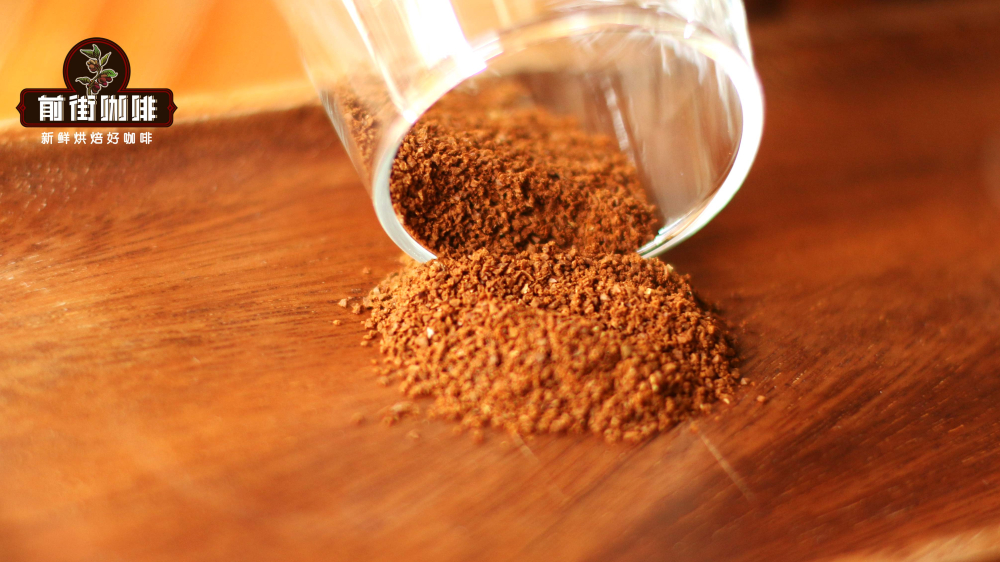
The grind size of coffee beans is equally crucial, as it determines the contact time between water and coffee grounds, as well as extraction efficiency. It’s generally advised to aim for an 80% extraction rate through a Chinese standard 20-mesh sieve, a fineness that balances extraction and flow rate. The finer the grind, the greater the surface area, which leads to faster extraction but also risks over-extracting unwanted flavors; on the other hand, an overly coarse grind causes water to pass too quickly, resulting in under-extraction and a flat-tasting cup. If your brewed coffee tastes either too sour or too bitter, start by checking whether the grind size is appropriate. Moreover, beans from different origins and processing methods—even at the same roast level—may require slight adjustments in grind settings., it determines the contact time between water and coffee grounds as well as extraction efficiency. It is generally recommended to use an 80% passing rate through a Chinese standard No. 20 sieve as the baseline — this grind size strikes a balance between extraction and flow rate. The finer the coffee is ground, the larger the surface area, leading to faster extraction, but it can also easily lead to over-extraction and unwanted flavors. Conversely, if the grind is too coarse, water flows through too quickly, resulting in under-extraction and a weak, bland cup. If you find your brewed coffee is either too sour or too bitter, checking whether the grind size is appropriate should be your first step. Additionally, beans from different regions and processing methods may require fine-tuning of the grind setting, even if they are roasted to the same degree.
The brew ratio directly determines the strength and mouthfeel of the coffee.Common ratios range from 1:10 to 1:16, and1:15 is the widely recommended golden ratio, striking a balance between richness and clarity of flavor. If you prefer a stronger, espresso-like cup, you can try 1:13; if you enjoy a lighter, more refreshing taste, adjust to 1:16. There’s no absolute rule for brew ratio—it’s recommended to adjust flexibly according to personal taste preferences to find your own ideal balance.
The diversity of pour over techniques is also what makes this craft so interesting. Below are five common methods, each suited to different bean types and flavor profiles:
1. The three-stage methodis the most beginner-friendly approach, especially suitable for light to medium roasted beans. It consists of blooming, followed by the second and third pours, effectively highlighting the front, middle, and back notes of the coffee. During blooming, it’s recommended to pour about twice the amount of coffee grounds’ volume, taking around 30 to 40 seconds, which helps the coffee degas and absorb water evenly. Subsequent pours should control flow rate and coverage to avoid over-extraction or channeling, maintaining a steady extraction rhythm.
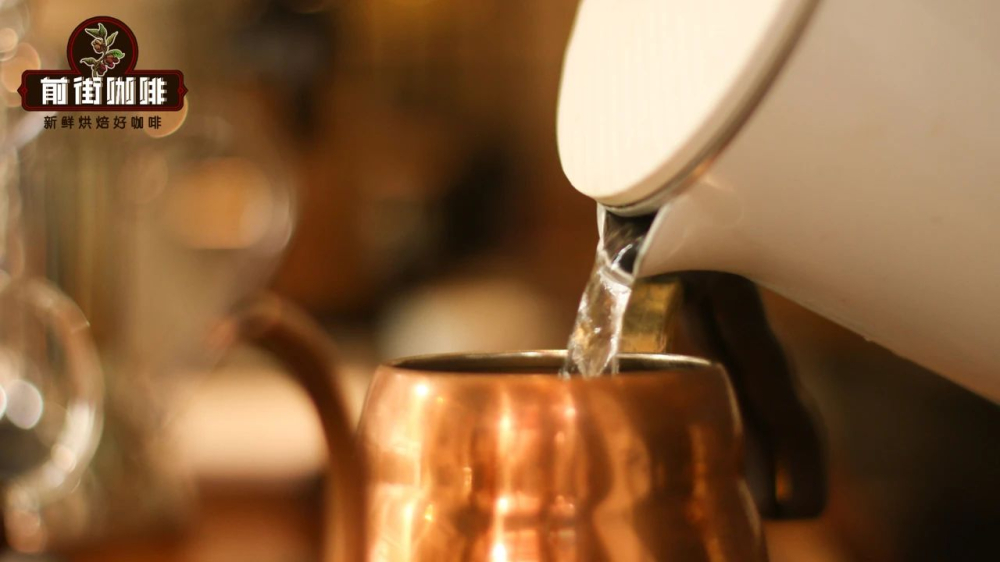
2. The stirring bloom method popular in Europe and Americainvolves using a stirring stick to perform a cross stir during the blooming phase, which can effectively enhance the release of aromatic compounds, making it suitable for high-flavor light roasted beans. This method demands higher bean quality and requires care to avoid over-extraction due to excessive stirring. It’s recommended to pair it with pour over equipment featuring good flow design, such as the Hario V60 dripper and a wide-spout gooseneck kettle, to better manage water flow and interaction with the coffee bed.
3. The Japanese drip methodemphasizes a slow and steady pour with a thin, gentle stream, suitable for medium to dark or dark roasted beans. This technique uses extremely low water flow and extended immersion time to extract a rich, sweet, and smooth coffee with complex layers. It’s recommended to use a gooseneck kettle with even water output and a dripper with shorter ribs, such as the Kono, to minimize agitation of the coffee bed and focus the flavors.
4. The one-pour stylerefers to continuously pouring water without interruption after blooming until extraction is complete. This technique emphasizes control over pouring rhythm and flow rate, helping maintain balanced flavors, but improper execution may lead to wateriness or off-flavors in the final sip. It’s suitable for coffee enthusiasts familiar with the pour over process who seek stable results.
5. The volcano pour methodoriginates from Japan and is designed specifically for dark roasted beans. It leverages the large amount of residual CO₂ in the beans, using a center pour technique to mimic the expansion effect of a volcanic eruption. Commonly used with cloth filters or V60 drippers, it extracts a rich, sweet-aftertaste coffee. However, care must be taken to ensure even pouring in the later stages to avoid over-extraction in the center and under-extraction at the edges. It’s also recommended to swirl the coffee in the cup at the end to balance flavors.
Regardless of the technique chosen, common causes of extraction failure include using beans that aren’t fresh enough, insufficient blooming, uneven grind, incorrect water temperature, or erratic pouring rhythm. It’s advised to meticulously record all parameters during each brew and make gradual adjustments based on actual flavor outcomes to find your optimal brewing method. By mastering these basic principles and details, you too can enjoy a professional-grade pour over coffee experience at home.
The above content is compiled by CoffeeHunters, a coffee news website.


