








Introduction:The roast level of coffee beans not only shapes their unique flavor profile but may also influence their potential to aid in fat loss. From bright and refreshing light roasts to rich and bold dark roasts, each roast degree has its suitable origin regions and brewing methods. This article delves into the flavor characteristics of the three major roast types—light, medium, and dark—introduces classic representative beans, and explores the relationship between roast level and chlorogenic acid content, helping you make smarter choices based on your drinking goals and taste preferences.
In the world of specialty coffee, roast level is one of the key factors that determine the flavor profile of a cup of coffee. From light roasts with vibrant acidity and floral-fruity aromas, to medium roasts with layered complexity and subtle caramel notes, to dark roasts with bold bitterness, sweetness, and rich crema, different roast levels not only affect taste but may also impact health benefits, such as aiding in fat loss. This article will comprehensively analyze the three major roast types—from flavor and regional characteristics to practical brewing applications—and provide useful suggestions to help you find the one that suits you best.

With the rise of the third wave of coffee, the preference among specialty coffee enthusiasts for roast styles has gradually shifted from dark roasts to medium and light levels. Many coffee farmers and roasters have begun to focus on highlighting the origin characteristics of the beans, rather than solely pursuing the intense flavors brought by dark roasts. Currently, coffee beans available on the market come from more than 50 origin regions, many of which are specialty beans roasted at light to medium-dark levels to preserve delicate regional flavors. Next, we will break down the specific effects of different roast levels on flavor in detail.
1. Light Roast: Highlighting Bright Acidity and Fruity-Floral Notes
Lightly roasted coffee usually retains the most origin-specific flavor characteristics, with bright acidity and a relatively refreshing taste, making it suitable for drinkers who enjoy vibrant flavor profiles. Taking the renowned Ethiopian Yirgacheffe region as an example, coffee beans from this area often exhibit bright citrusy acidity, along with floral and fruity notes such as jasmine and blueberry. Some roasters choose a light roast for these beans to fully showcase their delicate fruit acids and layered aromas. Classic examples like "Yirgacheffe Gu Ding Ding" and "Natural Red Cherry" are representative light roast beans.
This type of roast is suitable for pour over or drip bag brewing methods, which can highlight the uniqueness of the beans and is also the preferred style in many coffee evaluations and competitions.Light roast coffee has higher acidity, providing a noticeable stimulation to the taste buds, making it suitable for morning pick-me-ups or pairing with light meals.

2. Medium Roast: Balancing Acidity, Sweetness, and Body
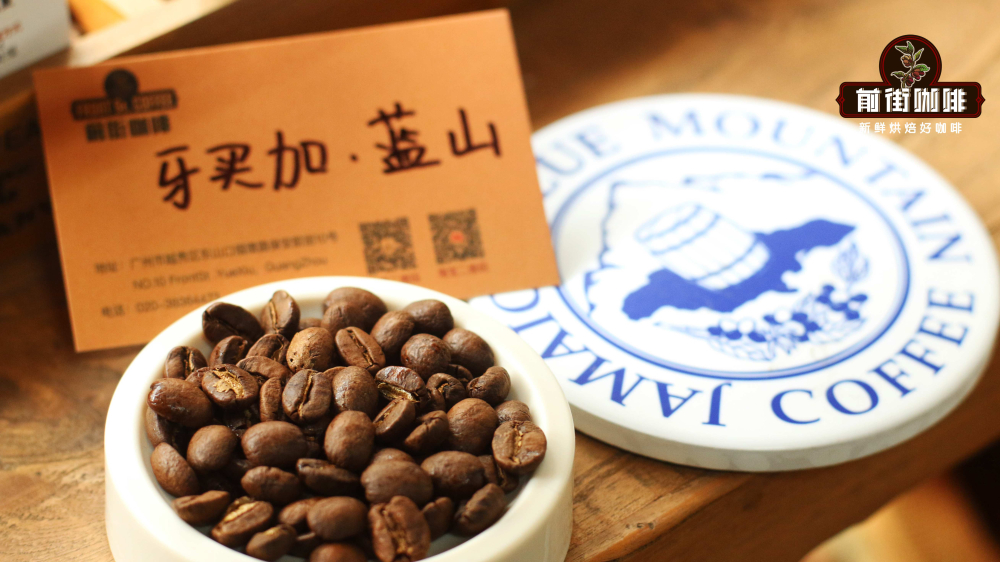
Medium-roasted coffee presents a warm brown appearance, with slight surface oils beginning to emerge. This roast level retains some of the original flavors while using moderate heat to bring out a wine-like richness and rounded mouthfeel. The acidity is slightly lower than in light roasts, but the sweetness is enhanced, accompanied by caramel and nutty tones. Common origin regions such as Colombia, Brazil, and Blue Mountain coffee are often medium roasted to achieve a balance of acidity and sweetness along with depth of aroma.
Medium-dark roasts are also suitable for various brewing devices, including pour over, French press, and siphon, making them a popular choice for many coffee beginners and everyday drinkers. The flavor layers are clear, easy to drink, yet still complex.
3. Dark Roast: Intense Bitter-Sweetness and Chocolate Flavors
Dark roasted coffee appears deep brown or even nearly black, with a shiny surface. Its acidity is almost nonexistent, replaced by intense bitter-sweetness and a full-bodied texture. This type of roast often brings out complex notes of chocolate, nuts, caramel, and even smokiness, commonly used for making espresso. A brand’s "Sunflower Warm Sun" blend is a case in point—a mix of Honduran Sherry and Yirgacheffe Red Cherry, blended in a 6:4 ratio after repeated adjustments. When brewed, it exhibits distinct fruit acidity, berry aromas, and a smooth finish, making it ideal for drinkers who prefer bold flavors.
During the dark roasting process, the fiber structure of the beans changes, releasing more oils, hence it is often used for milk-based coffee, producing a rich crema and velvety texture. However, over-roasting can mask the unique origin flavors, so it’s important to check whether the roast curve is appropriate when selecting.
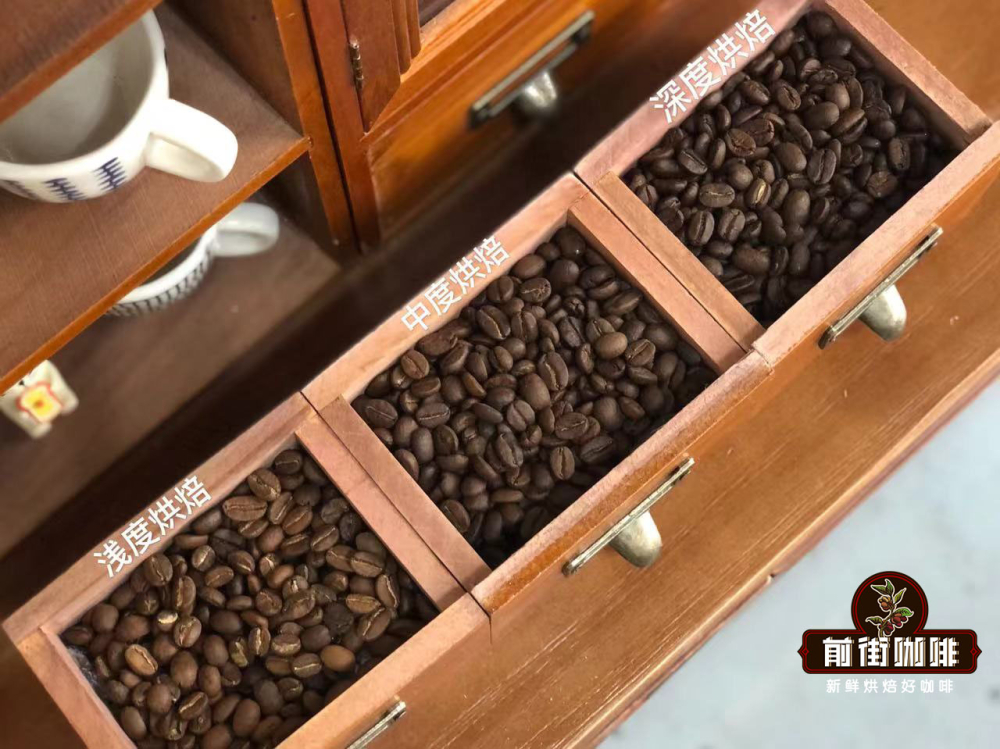
Which Roast Level Tastes the Best?
What tastes “good” is actually subjective, closely related to individual taste preferences, brewing methods, and drinking contexts. Roast level is just one of the factors influencing flavor; origin, altitude, and processing method also play crucial roles. For instance, Ethiopian beans are naturally suited to light roasting to showcase their floral and fruity acidity, whereas Indonesian Mandheling, processed using the wet-hulled method, often carries earthy and herbal notes, making medium-dark roasting a better choice to enhance its distinctive medicinal herb character.
In addition, processing methods such as washed, natural, honey, and wet-hulled significantly affect the final flavor expression. When choosing coffee, it is recommended to consider roast level, origin characteristics, and processing method comprehensively, rather than focusing on a single factor.

The Connection Between Coffee and Fat Loss: Does Roast Level Really Matter?
Many people drink coffee to aid in weight loss, and black coffee indeed contains components that can boost metabolism, such as caffeine and chlorogenic acid. Research shows,chlorogenic acid has the potential to inhibit glucose release, reduce fat accumulation, and enhance fat oxidation, while caffeine can stimulate the central nervous system, accelerate fat breakdown, and has mild diuretic and anti-edema effects.
It is worth noting,the content of chlorogenic acid decreases with increasing roast level. Light roast coffee, due to shorter heating time, retains more chlorogenic acid; whereas during dark roasting, chlorogenic acid decomposes at high temperatures, resulting in a significant reduction in content. Therefore, if fat loss is your primary goal, it is recommended to prioritize light to medium roast coffee beans and consume them as unsweetened, black coffee for the best effect.
Of course, coffee is just an auxiliary tool—the real results of fat loss still depend on regular exercise and a balanced diet. Many fitness enthusiasts are accustomed to drinking black coffee before training—not only to boost energy but also to improve exercise performance and fat-burning efficiency.
The above content is compiled by CoffeeHunters, a coffee news website.


