







Introduction:The flavor expression of pour over coffee largely depends on the precise control of grind size. Grinding too fine can lead to over-extraction, resulting in bitterness and astringency, while grinding too coarse may cause under-extraction, leading to a flat and dull cup. This article will delve into the ideal grind range for pour over coffee, introduce the testing standards of 0.85mm and 20-mesh sieves, explore parameter settings for both medium-light and medium-dark roasted beans, and provide practical brewing suggestions to help you consistently present the layers and flavors of your coffee.
In the world of pour over coffee, grind size is one of the most critical variables. If the coffee grounds are ground too fine, not only will the water flow more slowly, extending the extraction time, but it can also extract excessive impurities and bitter compounds, making the coffee taste sharp. On the other hand, if the grind is too coarse, hot water will pass through the coffee bed too quickly, resulting in insufficient extraction of flavor compounds, and ultimately producing a coffee that is weak and tasteless, like plain water. So, what exactly is the right grind size for pour over coffee?
Many coffee enthusiasts, even when following standard steps, often find that their brew results differ significantly from expectations, with grind size deviation being the most common culprit. To find a more reliable reference, the industry often uses the pass-through rate of specific sieves as an evaluation metric. Experimental data shows that when using a 0.85mm sieve for testing,a grind size with a pass-through rate of about 80%usually delivers a more balanced extraction result.
The importance of coffee grind size lies in its direct impact on extraction efficiency and flavor presentation. Grind size determines how quickly and how much flavor compounds are released when hot water contacts the coffee grounds. For example, in real-world experience: an overly fine grind restricts water flow, prolongs extraction time, and may extract unpleasant off-flavors, resulting in prominent bitterness; whereas an overly coarse grind allows water to pass through too easily, preventing flavor compounds from fully dissolving, leaving the coffee tasting thin and insipid.
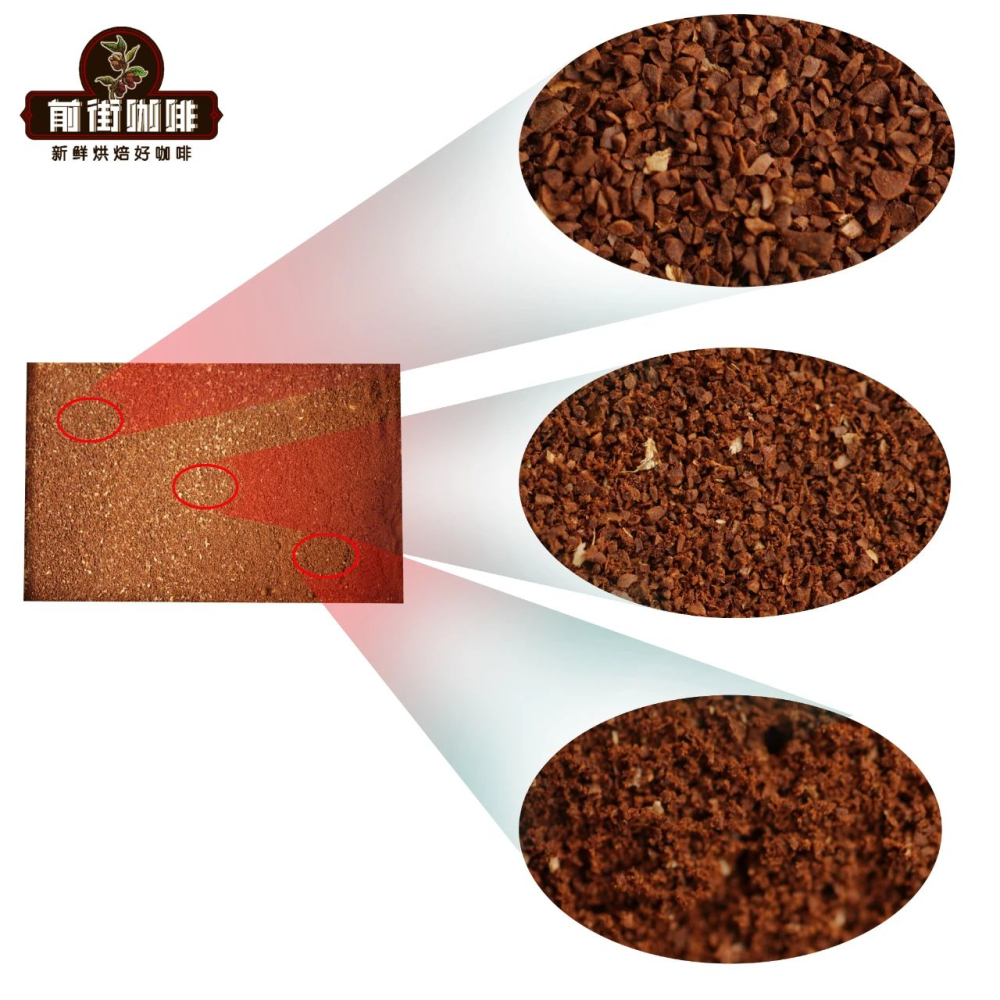
In shop practice, many customers report that even when following the same steps to brew the same beans, the flavor at home differs noticeably from that in-store, and the issue often lies in the grind—steps may appear correct, but the grind size hasn’t been properly adjusted. To ensure each coffee bean can showcase its optimal flavor, baristas conduct a grind particle distribution test before brewing, using scientific data to determine the appropriate grind range.
Using the 0.85mm sieve as a benchmark,a grind size with a pass-through rate of about 80%is considered a reference standard for pour over coffee. This figure is not absolute but rather a balanced point validated through multiple experiments: it ensures sufficient extraction efficiency without excessively releasing undesirable compounds. For medium-light roasted coffee beans, it is recommended to use a 20-mesh sieve for testing,with a pass-through rate controlled between 75%-80%; for medium-dark roasted beans, the 20-mesh sieve pass-through rate is advised to be adjusted to70%-75%to suit their higher density and lower acidity characteristics.
Grind size is not just a technical parameter but also a key bridge connecting the original characteristics of coffee beans to the final flavor. A whole coffee bean maintains its inherent form from planting and harvesting to roasting; the grinding process is the crucial step that transforms it into an extractable powder. The right grind size can fully showcase the terroir and unique processing method flavors of the coffee origin, while an unsuitable grind may mask the coffee’s highlights or even render the entire cup unappealing.
For beginners new to pour over, there’s no need to rush into complex brewing logic. It’s recommended to start by equipping a budget-friendly 20-mesh sieve (around 40 RMB) and mastering grind adjustment techniques through simple particle distribution tests. Depending on the roast level of the coffee, the 20-mesh sieve pass-through rate for medium-light roasted beans should be maintained at75%-80%, while for medium-dark roasted beans, it should be adjusted to70%-75%. This range can effectively help beginners consistently present the foundational flavor layers of the coffee.
The charm of pour over coffee lies in its flexibility, but it also demands greater attention to detail. From coffee bean selection and grind size control, to water temperature, water quality, filter choice, and even pouring technique and extraction time management, every step can influence the final flavor outcome. For beginners, it’s recommended to start with the three-pour method—a segmented extraction approach especially suitable for light to medium roasted beans, which clearly highlights the flavor transitions in the coffee’s early, mid, and late stages while improving brew stability.
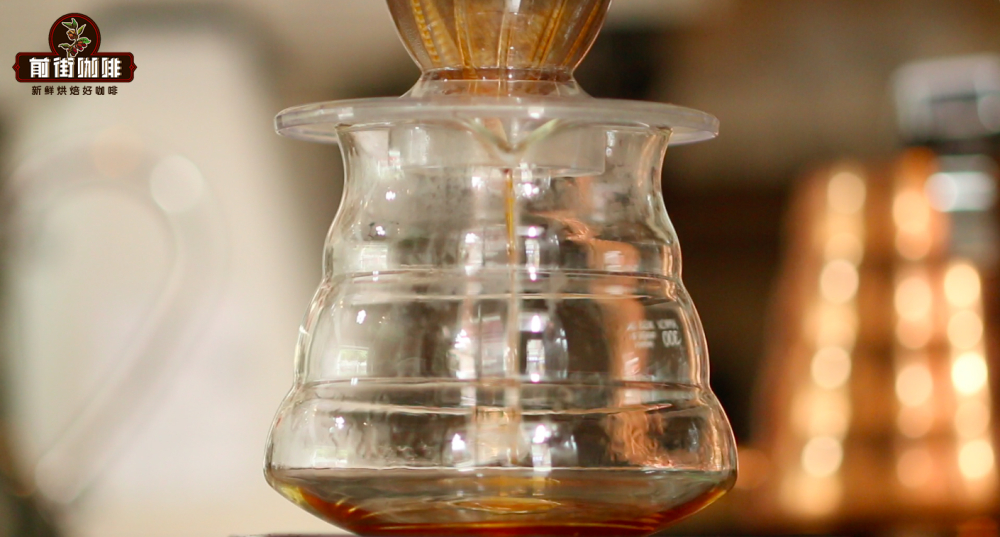
Take the classic Ethiopian washed Yirgacheffe as an example. This lightly roasted bean features bright citrus notes and a crisp acidity. When brewing, the grind size is adjusted to medium (specific values vary by grinder model), paired witha water temperature of 90-91°C,a 1:15 coffee-to-water ratio (15 grams of coffee to 225 milliliters of water), and a three-pour technique: first, a 30ml bloom pour is done, followed by a 30-second wait for the coffee grounds to degas; then the remaining water is poured in two stages, with about 30 seconds between each stage to ensure even flavor release. With this parameter combination, Yirgacheffe’s signature lemon and citrus aromas become more pronounced, offering a bright and clean cup with a refreshing finish.
It’s worth noting that coffee freshness has a significant impact on pour over flavor. It’s recommended to grind coffee beans just before brewing to avoid aroma loss due to prolonged storage. If possible, choose freshly roasted beans within 5 days of roasting, and let them rest for 4-7 days after arrival to complete the degassing period—this is when the coffee’s flavors are at their peak. This is precisely the philosophy the industry emphasizes: “Freshly roasted coffee is the best.”
The history of pour over coffee dates back to early 20th-century Germany. It’s recorded that Frau Melitta, during a home brewing session, accidentally used her son’s blotting paper instead of traditional cloth filters and discovered that this method produced a purer coffee flavor. She later registered a patent for the method. Although the origins of pour over technique aren’t widely known, it was Japan in the 1950s that truly popularized it and established a cultural system around it. At that time, Japanese coffee enthusiasts’ dedication to the pour over craft led to the development of a comprehensive equipment industry and refined brewing culture, which still influences the practices of pour over enthusiasts worldwide today.
In the fast-paced modern life, pour over coffee offers a rare slow experience: from grinding, placing the filter paper, to pouring and observing, each step requires focus and patience. As hot water slowly passes through the evenly distributed coffee bed, releasing a rich array of aromas and flavors, this act of focus itself becomes an enjoyment. Mastering the secrets of grind size is the first step toward unlocking this wonderful experience.
The above content is compiled by CoffeeHunters, a coffee news website.


