







Introduction:The flavor of coffee beans doesn’t last forever. Even if unopened, time will eventually affect your brewing results. This article dives deep into the difference between the “shelf life” and “best-by period” of roasted coffee beans, explaining the importance of degassing, the ideal storage conditions for single-origin beans, and how to extend their flavor lifespan after opening. Whether you're a pour over beginner or a seasoned coffee enthusiast, these practical tips will help you enjoy more aromatic and flavorful coffee.
Many people assume that as long as the coffee beans remain unopened, they won’t lose flavor. But in truth, their flavor gradually declines over time. Even if they look the same on the outside, **“shelf life” and “best-by period”** are two very different things. Based on real-world experience, this article clarifies when roasted coffee tastes best, why degassing matters, and how to store it properly—so you can master the essentials whether you’re just starting out or already a coffee connoisseur.
You might think freshly ground coffee equals freshness, but that’s not quite the case. The aroma of coffee comes from volatile compounds released during roasting, and these components naturally dissipate over time. **Freshly roasted coffee beans typically retain their peak aroma for only about one month**, which is also considered their best-by period. Once ground, the increased surface area exposed to air accelerates the loss of flavor significantly.
So, are beans right after roasting the most fragrant? Not exactly. During the first two days post-roasting, beans release a large amount of internal carbon dioxide and their aroma hasn’t yet stabilized—brewing them at this stage often fails to showcase the full characteristics of their origin. Therefore, it’s recommended to let freshly roasted beans rest for **three to four days to degas** before brewing. Each bag of coffee beans usually indicates the roast date to help you calculate the optimal drinking window.
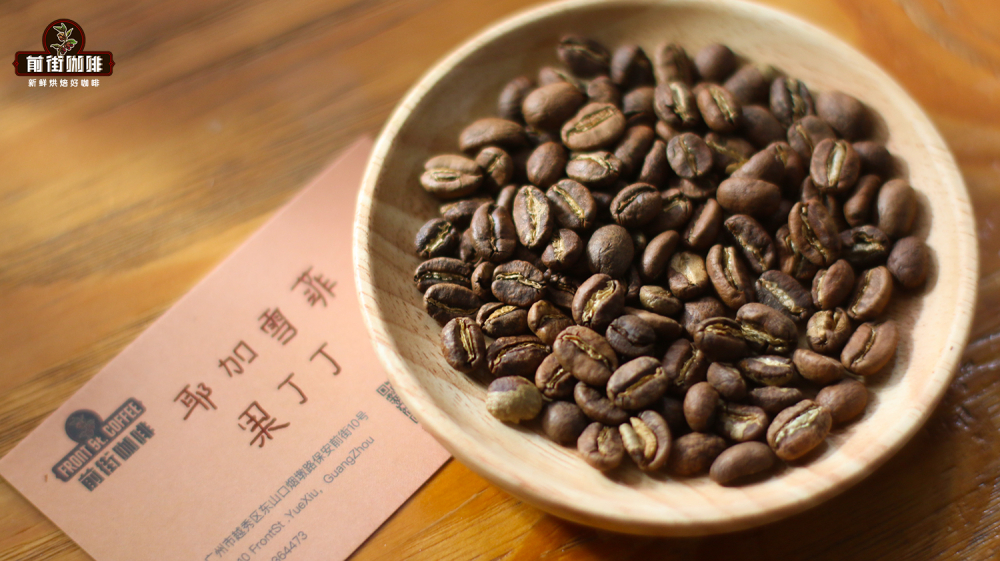
The peak flavor of coffee beans generally occurs within one month after roasting. As time goes by, the oils inside the beans gradually oxidize, producing off-flavors, and the aroma becomes less vibrant than when fresh. Although industry experience suggests that the shelf life of coffee beans can typically reach **two to three months**, in reality, their flavor performance noticeably declines after the first month. Factors influencing flavor preservation include green bean quality, roast level, and storage environment and methods.
Some believe unopened coffee beans can be stored for even longer, but there’s still a small amount of air inside the packaging, causing a slow decline in flavor. Even vacuum-sealed bags can’t completely block oxygen, and storing them in the fridge may introduce moisture condensation that affects bean quality. Therefore, even if unopened, **it’s best to consume them within one month** to enjoy the optimal flavor experience.
As for shelf life, food regulations typically set the expiration date for coffee products at one year. This means the beans won’t “spoil” due to aroma loss, but their flavor would have already deteriorated significantly. If you treat coffee purely as a daily pick-me-up, finishing it within a year is fine—but if you’re aiming for the best flavor, it’s still advisable to drink it sooner.
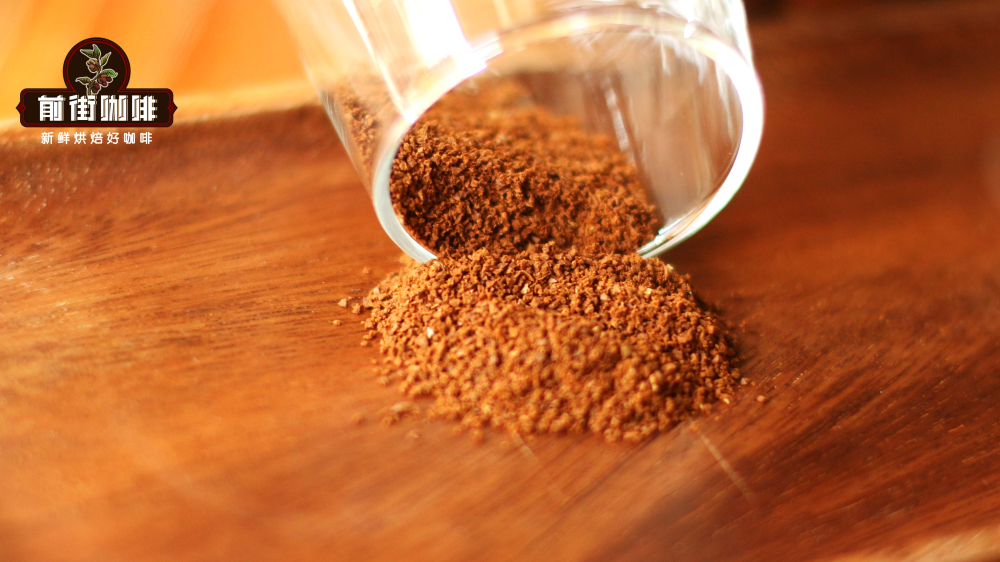
Ground coffee has an even shorter flavor retention period. Once ground, the increased surface area exposed to air makes aroma and oils highly susceptible to oxidation, especially in humid environments where they can absorb moisture and develop undesirable off-flavors. Therefore, **ground coffee is best brewed immediately after grinding, and if already ground, it’s recommended to use it within two weeks** to preserve its flavor.
To extend the flavor lifespan of coffee beans, storage methods are crucial. Here are some practical preservation tips:
- One-way valve
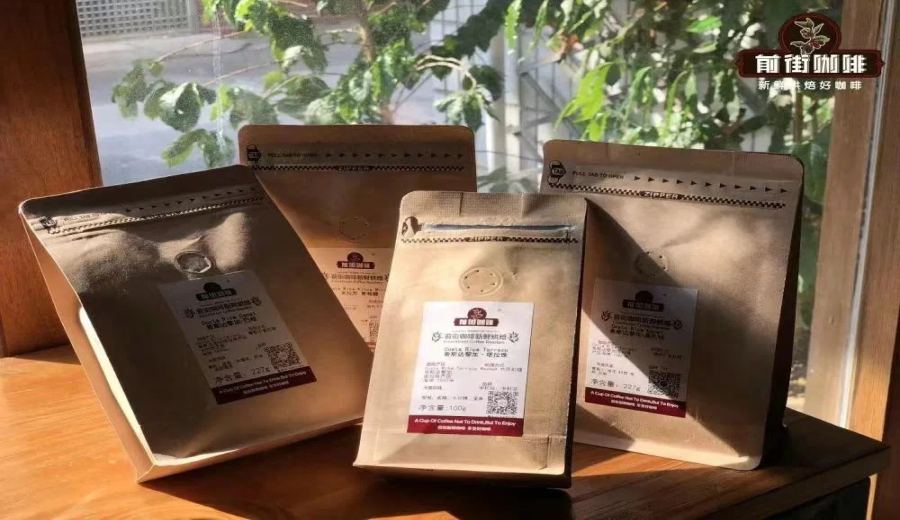
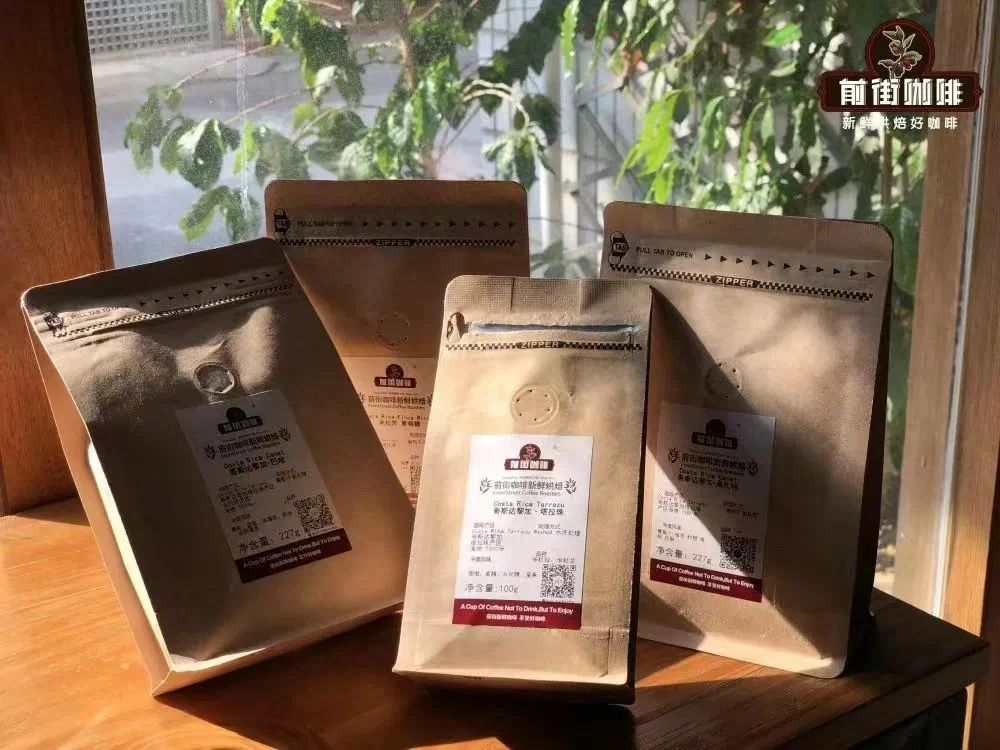
Many coffee packages come with a one-way valve that allows carbon dioxide inside the beans to escape while preventing external air from entering. After each use, make sure to seal the resealable opening tightly and gently press the bag to expel excess air. Since carbon dioxide is heavier than air and tends to accumulate at the bottom, squeezing the bag helps reduce oxygen content and slows down oxidation. - Sealed jar
Using a sealed jar can effectively block external air, but if the jar is made of transparent material, avoid direct sunlight. Also, each time you open the jar, fresh air enters, so it’s best not to store too many beans at once to minimize the impact of frequent opening and closing. - Vacuum jar
A vacuum jar removes internal air, but most are also transparent, and the process of opening and re-pumping can cause pressure changes that may accelerate the loss of volatile aromas. For single-origin beans where you’re aiming for the ultimate flavor, it’s recommended to prioritize using the original packaging with a one-way valve, stored at room temperature, away from light, and in a sealed environment.
In summary, **the best-by period for coffee beans is around one month**, during which their flavor performance is at its peak. Whether opened or not, always pay attention to avoiding light, keeping them sealed, and storing them in a suitable environment. To fully experience the layers and origin characteristics of coffee, every step—from degassing to brewing—is worth your careful attention.
The above content is compiled by CoffeeHunters, a coffee news website.


