







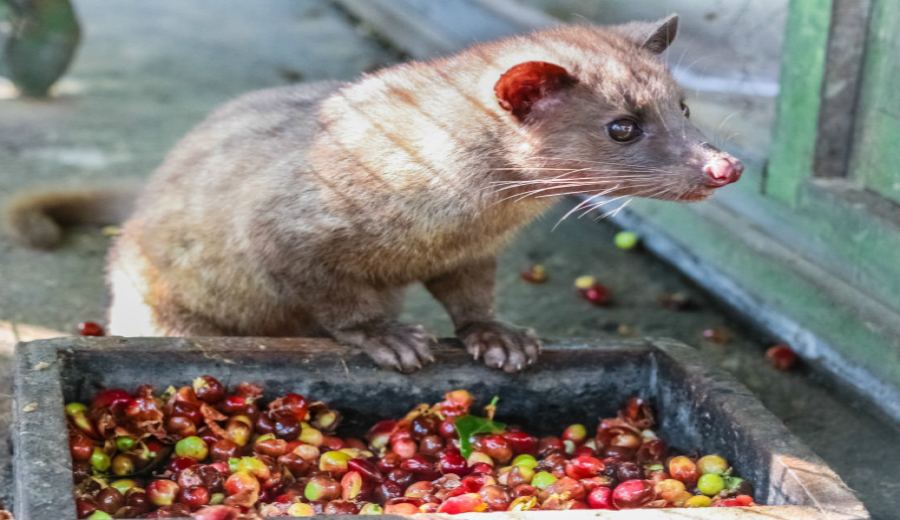
Introduction:As one of the rarest coffees in the world, Kopi Luwak is renowned for its unique fermentation process and rich flavor. This article delves into the origins, genuine flavor characteristics, and how to identify counterfeit products of authentic civet coffee. It also offers expert pour over recommendations and extraction parameters to help coffee enthusiasts understand the allure and potential controversies surrounding this special brew.
Known as the “aristocrat” of the coffee world, Indonesian Kopi Luwak—literally “civet coffee”—originates from coffee beans that have been naturally fermented in the digestive systems of wild civets after they consume coffee cherries. The most astonishing aspect of this coffee is the sweet, honey- and chocolate-like aroma it releases when brewed. It has a smooth mouthfeel with almost no bitterness or acidity typically found in conventional coffee. Even when cooled, it retains a full-bodied taste, with a refreshing menthol-like aftertaste lingering on the palate.
However, many so-called “civet coffee” products available on the market, especially instant varieties from Vietnam, are merely flavored instant coffees designed to mimic its profile. These bear no relation to genuine Kopi Luwak and are significantly cheaper. Due to the extremely limited production of civet coffee—less than 400 kilograms per year globally—its price remains very high. A 50-gram pack often sells for as much as 1500 yuan, yielding only about 3 to 4 cups, averaging around 400 yuan per cup.
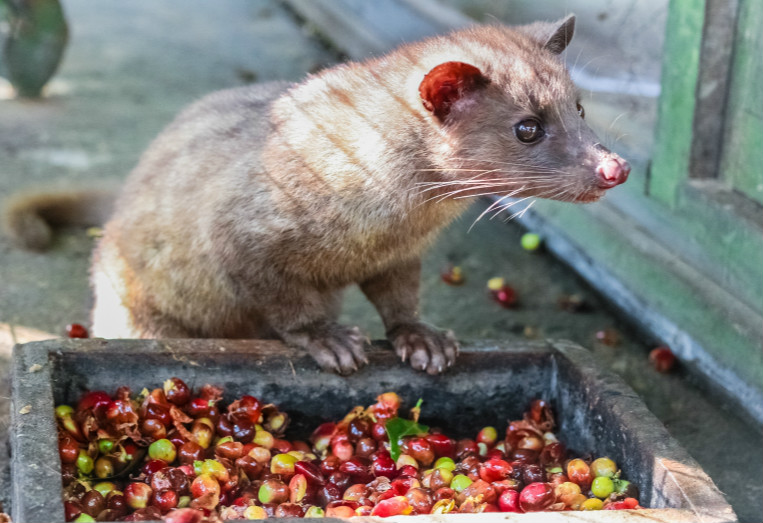
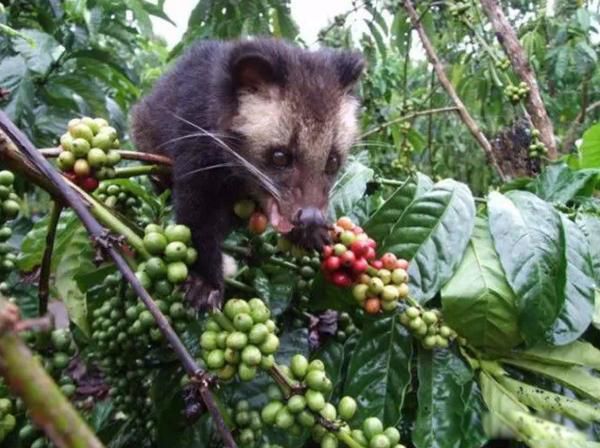
Kopi Luwak originally comes from Sumatra, Indonesia, where wild civets (scientific name: luwak) have a habit of selecting ripe red coffee cherries. After consuming the cherries, the fruit pulp is digested in their intestines, while the hard coffee beans remain largely undigested and are excreted in feces. During the civet’s digestive process, the coffee beans undergo a unique fermentation reaction. Not only does the protein structure change and acidity and bitterness decrease, but the beans also acquire a mysterious layer of aroma due to contact with special secretions in the civet’s digestive tract.
This natural fermentation process through the animal’s intestines results in coffee beans with smoother surfaces compared to regular beans, contributing to their low acidity, full body, and rich aroma. Compared to conventional coffee, Kopi Luwak tends to have a more pronounced earthy note, a syrupy mouthfeel, and leaves a refreshing menthol-like aftertaste—unique sensory experiences not commonly found in most other coffees.
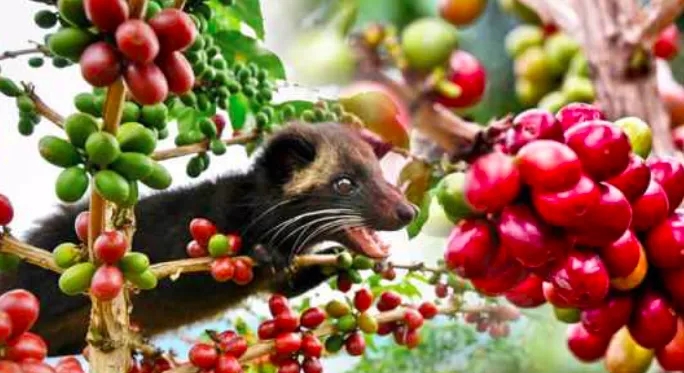
As the fame of Kopi Luwak grew, soaring demand led to a sharp decline in wild civet populations, prompting some regions to turn to farming them. However, civets kept in cramped iron cages and force-fed large quantities of coffee cherries endure poor living conditions. Cases of aggression, self-harm, and even death among these animals have raised serious animal welfare concerns. Currently, the global production of genuinely wild civet-produced Kopi Luwak remains extremely scarce. Even in farmed settings, total annual output does not exceed 400 kilograms, and the final flavor of the coffee is still closely tied to the quality of the beans fed to the civets—with Arabica varieties preferred, while Robusta is mostly used for instant coffee or commercial blends.
Because Kopi Luwak is so rare, brewing it requires extra care. To fully showcase its herbal aroma and full-bodied richness, it is recommended to enjoy it without sugar or milk, appreciating its original flavors in its pure form. Professional roasters typically use a medium-dark roast for this coffee bean, which brings out nutty and dark chocolate notes while also enhancing its rich character.
For actual pour over preparation, it is recommended to use a KONO filter cone with a medium-fine grind (about 75% extraction rate through a Chinese standard No. 20 sieve). This moderate grind size balances extraction efficiency and a delicate mouthfeel. Water temperature should be controlled at 88°C, with a coffee-to-water ratio of 1:15—that is, 15 grams of coffee grounds to 225 milliliters of water. Due to the high degassing rate of medium-dark roasted beans, the coffee grounds can quickly absorb water and form channels during initial pouring. It is advisable to pour slowly in wide circles using a coarser stream of water to stabilize extraction and prolong the contact time between water and coffee grounds.
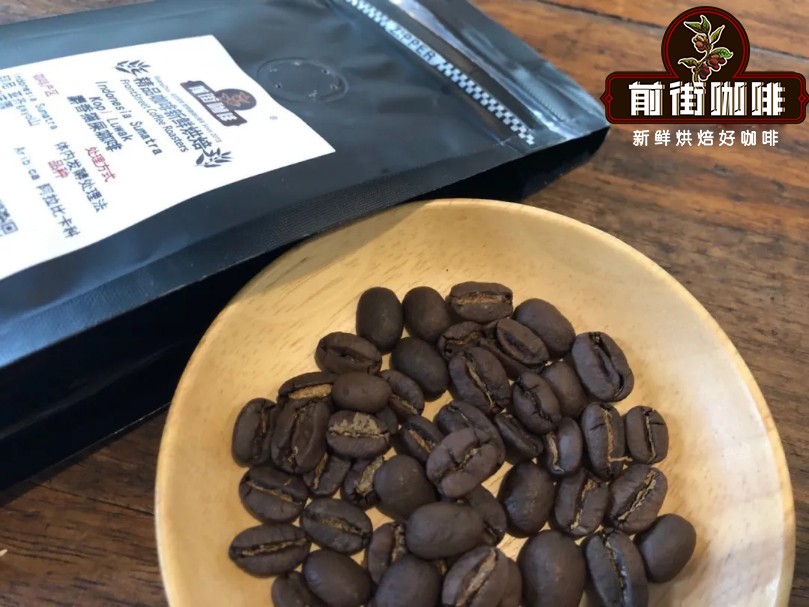
This brewing method fully releases the herbal, nutty, dark chocolate, and slight fermentation aromas of Kopi Luwak, resulting in a round and layered mouthfeel. A special reminder: the KONO filter cone has upright ribs and a relatively dense filter layer, making its exhaust capacity weaker. However, this very characteristic extends the contact time between water and coffee grounds, further enhancing extraction concentration and richness.
Regarding coffee bean storage and grinding, it is best to purchase whole beans and use them within 4 to 7 days of receipt for optimal flavor. If purchasing pre-ground coffee, although it can be brewed immediately, note that coffee powder oxidizes quickly upon exposure to air, leading to rapid flavor loss—it is best to grind just before use. For flavor preservation and overall tasting experience, grinding fresh whole beans is still the top choice.
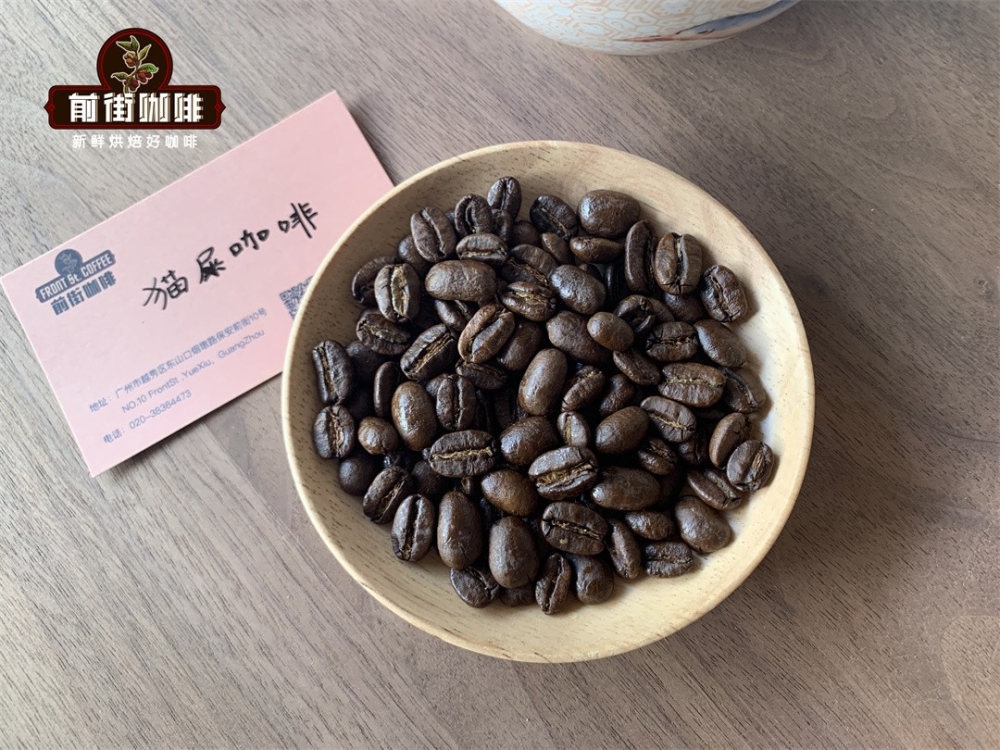
In summary, Kopi Luwak, as an extremely rare coffee variety, offers an unforgettable experience due to its unique processing method and flavor profile. However, it also comes with considerable controversy due to limited supply and ethical concerns. If you wish to explore the diverse world of coffee flavors, consider trying specialty beans from other renowned regions—such as the floral-rich Panamanian Geisha, the balanced acidity and sweetness of Ethiopian Yirgacheffe (known as Hambela or similar), or the full-bodied caramel notes of Brazilian and Indonesian Golden Mandheling. These are all excellent options worthy of deeper exploration.
The above content is compiled by CoffeeHunters, a coffee news website.


