







Introduction:When brewing coffee at home with pour over, do you find that even if you follow the steps correctly, the flavor still falls short of expectations? This article delves into how to assess grind distribution using 0.85mm and 0.25mm sieves, provides ideal extraction time and pass-through rate references for light roast beans, and lists six common causes along with corresponding adjustment techniques for issues like bitterness, off-flavors, and sourness—helping you precisely dial in your grind size and brewing parameters.
Many coffee enthusiasts often feel that their home brewing technique is correct, yet the resulting cup doesn’t taste quite right, and it’s hard to pinpoint why. This article will explore in detail the selection of coffee grind size, how to calibrate grind distribution using sieves, as well as the ideal grind state and extraction time references for light roast coffee. At the same time, it analyzes six main reasons behind common flavor issues such as bitterness, off-flavors, and sourness during brewing, and offers practical adjustment methods to help you find the grind size and brewing parameters that suit you best.
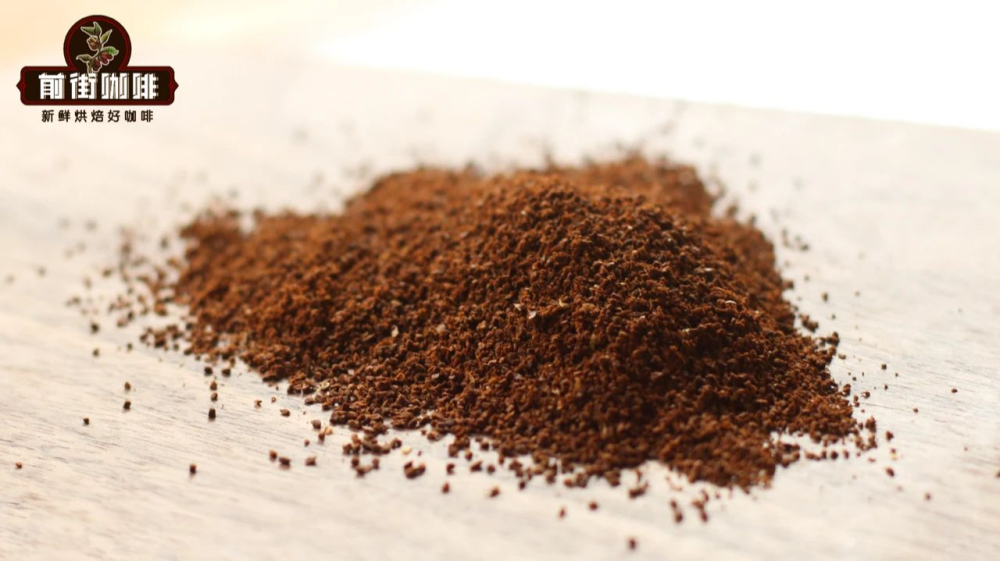
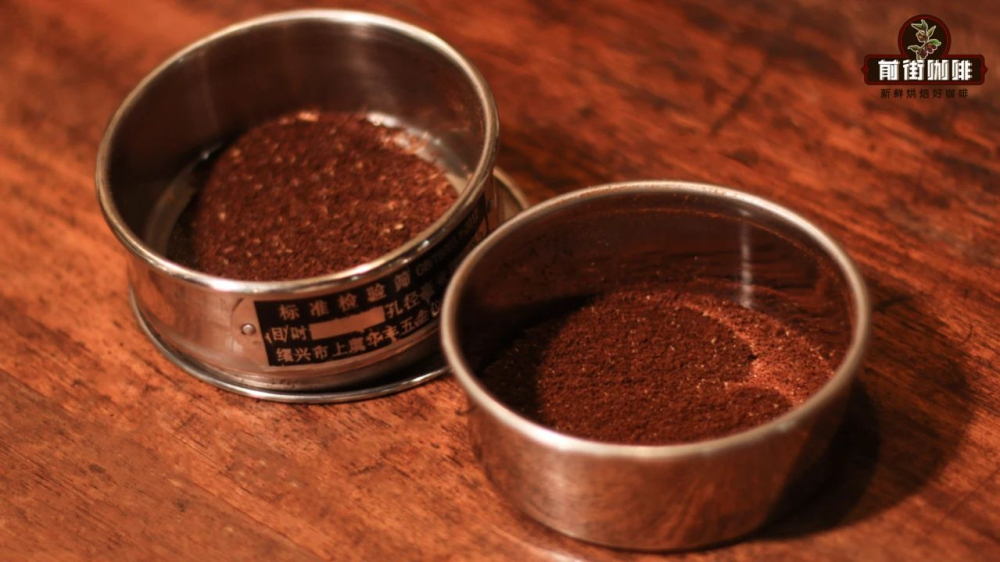
Choosing the right coffee grind size is actually not so simple, because ground coffee inevitably contains both coarser and finer particles, which are hard to distinguish accurately with the naked eye. To evaluate grind size more scientifically, it is recommended to use sieves with two aperture sizes: 0.85mm and 0.25mm. What may appear to be uniformly ground coffee may in reality have a particle size difference of up to 0.6mm between the largest and smallest grounds. Typically, we refer to particles larger than 0.85mm as boulders, and those smaller than 0.25mm as fines. If the combined total of these two types of particles exceeds 40% of the total coffee grounds, they are generally not suitable for pour over brewing. For light roast beans, the ideal grind state should have about 70% of the particles concentrated between 0.6–0.85mm, and the gap between the largest and smallest particles should be as small as possible.
If you want to more accurately understand the grind size you’re using, it is recommended to prepare a Chinese National Standard No. 20 sieve (0.85mm) for calibration. The pass-through rate for light roast coffee is generally recommended to be controlled between 75–80%. In addition, you can also roughly judge whether the grind is appropriate based on the drawdown time: when brewing 15g of coffee normally, the extraction time is typically around 1 minute 50 seconds to 2 minutes 20 seconds. If the extraction time is noticeably too long, it may indicate that the grind is too fine; if the water flows too quickly and the time is too short, the grind may be too coarse.
There are many reasons for the emergence of bitterness and off-flavors during the brewing process. Below are common problems and their solutions:
1. Excessive fines leading to over-extraction: It is recommended to sift out fines smaller than 0.25mm to reduce the risk of over-extraction.
2. Uneven pouring: If the water stream is not vertical or has too large an arc, it can easily lead to localized over-extraction or under-extraction, resulting in off-flavors and sourness. It is recommended to practice pouring techniques more to ensure a stable and vertical water flow.
3. Overly long blooming time: A blooming phase that lasts too long can make bitter and off-flavor compounds from the later stages of extraction more likely to be released. It is generally recommended to bloom for about 30 seconds (starting from when water first contacts the coffee grounds).
4. Incomplete blooming: If some coffee grounds remain dry, it can lead to uneven extraction during subsequent pouring, resulting in unpleasant flavors. Ensure all coffee grounds are evenly saturated with water.
5. Excessive stirring: Over-stirring can also cause off-flavor issues. It is recommended to control the stirring intensity to avoid overly disturbing the coffee bed.
6. Improper water temperature: Water that is too hot can lead to over-extraction and produce bitter off-flavors; water that is too cool may result in under-extraction and a sour taste. It is generally recommended to use water at 90–93°C for light roast coffee, and 86–89°C for medium to dark roast coffee.
The above content is compiled by CoffeeHunters, a coffee news website.


