








Introduction:Want to understand how major chains like Starbucks maintain consistent flavors through blended beans? This article delves into the design philosophy behind espresso blends, compares them with single-origin beans, and explains why light-roast pour over beans aren’t suitable for espresso. We also explore key parameters for espresso extraction, including water pressure, temperature, grind size, and brew time, to help you master the core elements of a balanced shot.
Major coffee chains like Starbucks can deliver consistent flavors globally, and one key reason is the high standardization of their espresso blends. These blend recipes are repeatedly tested and adjusted to ensure that coffee brewed in different stores delivers similar taste and aroma. This article uses a classic Starbucks blend as an example, analyzing the logic behind its combination of Latin American and Southeast Asian beans, and further discussing considerations for selecting espresso beans.
An espresso blend refers to a mix of two or more coffee beans from different origins or with distinct flavor profiles, combined in specific proportions and roasted to a darker level. The goal is to create a bean with balanced flavor, intense aroma, and suitability for both espresso and milk-based drinks. This is fundamentally different from single-origin beans, which focus on showcasing the characteristics of a single region.
Why shouldn’t espresso be made directly with light-roast single-origin beans commonly used for pour over? Because pour over beans are usually medium to light roasted, with pronounced acidity and vibrant flavors—but these traits can be amplified during espresso extraction, often resulting in excessive sourness, bitterness, or flavor imbalance. Blended beans, on the other hand, complement each other’s characteristics—for example, pairing softly acidic Latin American beans with rich, earthy or spicy Southeast Asian beans, along with moderate dark roasting, to bring out caramel sweetness and a full-bodied texture, making them more suitable for espresso.

Taking common espresso blends as an example, many recipes select Brazilian and Colombian beans as the base, thanks to their rich body, smooth mouthfeel, and nutty-chocolate foundation. Some blends also include a small amount of Robusta beans, leveraging their high concentration and bold body to enhance overall performance. However, it’s worth noting that too much Robusta can introduce harsh bitterness, so it’s generally used only as a supporting ingredient, with a proportion kept below 10%.
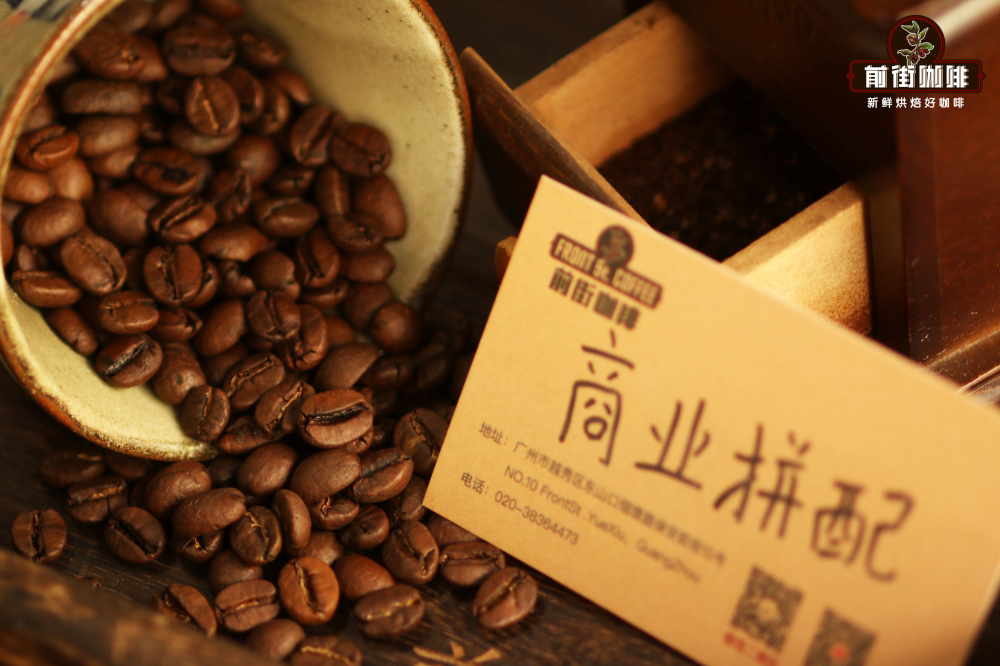
Additionally, one coffee brand once launched four espresso blends, each with a distinct flavor profile. Among them, the “Premium Blend” combines Colombian and Brazilian beans in a 3:7 ratio, delivering a nutty, chocolatey profile with rich crema, smooth mouthfeel, balanced acidity and bitterness, and a clean aftertaste. Another, the “Commercial Blend,” adds a small amount of Robusta in a ratio of Colombian:Brazilian:Robusta = 3:6:1, featuring prominent caramel sweetness paired with black chocolate and nut aromas, harmonious acidity and sweetness, and a long-lasting finish.
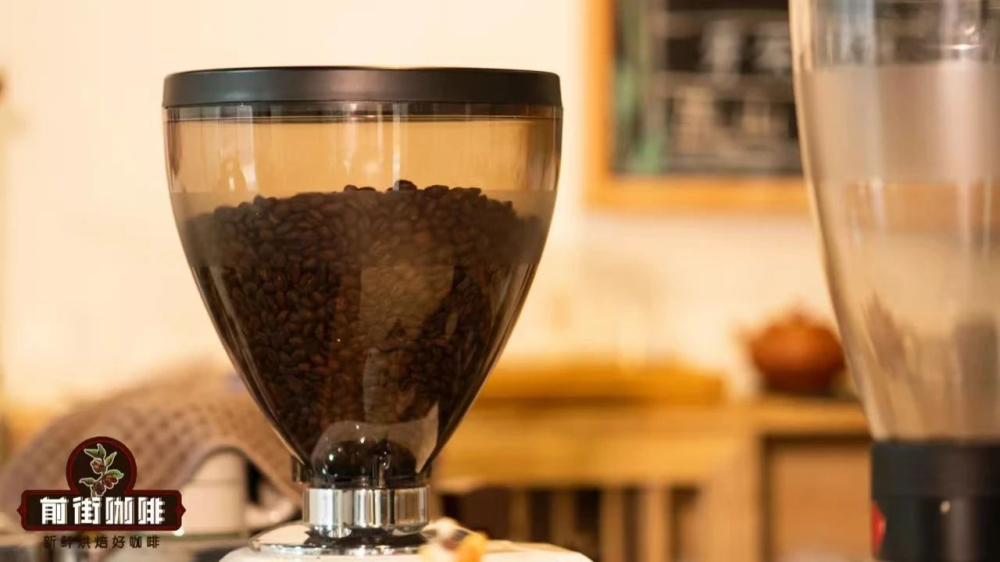
For users who prefer mellow fruit acidity and a full-bodied mouthfeel, the “Dark Cocoa Blend” is crafted with a 3:7 ratio of Yunnan and Brazilian beans, yielding gentle fruit acidity, caramel sweetness, and a finish of dark chocolate and nuts. The overall texture is thick but the flavors remain relatively mild. Meanwhile, the “Sunflower Sunshine Blend” mixes Honduran and Yirgacheffe Red Cherry beans, highlighting bright berry acidity and wine-like notes, paired with a rich chocolate character—ideal for those who enjoy vibrant fruitiness and layered complexity.
After selecting the right blend, the next step is mastering the correct extraction parameters to fully unlock the beans’ potential. Espresso extraction is primarily influenced by the following six core variables:
(1) Water Pressure: Modern espresso machines typically use 9 BAR of pressure, which is the industry-standard optimal value for extracting espresso, effectively balancing flow rate and flavor release.
(2) Water Temperature: The recommended range is 90°C to 92°C, with minor adjustments possible based on bean variety and roast level. Darker roasts may benefit from slightly lower temperatures to avoid over-extraction, while medium to light roasts can tolerate slightly higher temps to enhance complexity.
(3) Grind Size: Espresso requires an extremely fine grind—the finer the powder bed, the slower the water flow, aiding thorough extraction. If the shot is too thin or overly acidic, it usually means the grind is too coarse or extraction is insufficient, requiring a finer adjustment.
(4) Dose: A single shot typically uses 12–14 grams of coffee, while a double uses 20–22 grams, adjustable based on the portafilter basket capacity.
(5) Brew Time: The ideal extraction time is 25–28 seconds, though actual timing should be adjusted based on dose, grind, and tamp pressure to avoid over- or under-extraction.
(6) Yield: A single shot yields about 20–21 grams of liquid, while a double yields 40 grams—this ratio ensures proper coffee-to-water balance and optimal flavor harmony.

By balancing these parameters and fine-tuning based on actual extraction results, you can gradually craft your perfect espresso. Whether you prefer balanced richness or bright fruitiness, mastering blend logic and extraction essentials will let you enjoy a satisfying shot at home or in a café.
The above content is compiled by CoffeeHunters, a coffee news website.


