








Introduction:Civet coffee from Indonesia, commonly known as "cat poop coffee," is famed for its unique origin and high price. But is this coffee acidic or bitter? Can natural fermentation truly enhance its flavor? This article delves into the truth behind fermentation in the civet's digestive system, compares wild and farm-raised beans, explores the reasons behind its rarity and market value, and provides practical brewing parameters and flavor descriptions to help you understand this legendary coffee.
When it comes to legendary coffees from Indonesia, civet coffee (commonly called "cat poop coffee") is definitely on the list. Even if you're not a specialty coffee enthusiast, you've likely heard of this peculiar name. The reputation of this coffee is almost comparable to that of Jamaican Blue Mountain, but its exorbitant price and unusual origin often lead people to wonder: is its flavor more acidic or bitter? Why is it sold at such a high price? We’ll break down this highly talked-about coffee completely—from historical background, processing methods, flavor characteristics to brewing suggestions.

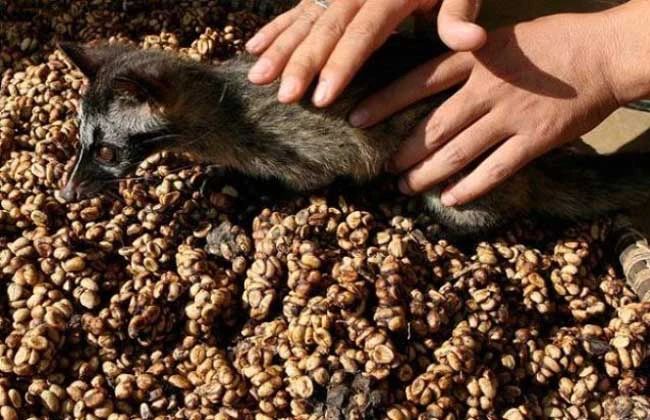
The origin of civet coffee can be traced back to the early 18th century during the Dutch colonization of Indonesia. At that time, the Dutch planted coffee in Sumatra and Java but strictly prohibited local residents from harvesting or drinking the coffee themselves. However, wild civets were particularly fond of coffee cherries and would secretly nibble on ripe coffee fruits. Since civets cannot digest the hard coffee beans, the beans pass through their digestive system and are excreted in feces. Locals discovered that these "special" coffee beans could still be roasted and brewed, so they began collecting, cleaning, and processing these "coffee beans from excrement," giving birth to civet coffee.
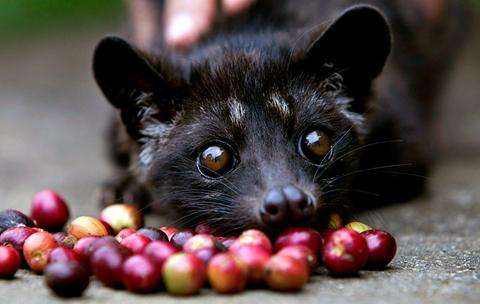
So, is civet coffee more acidic or bitter? In fact, because civets mainly inhabit low-altitude areas below 2100 meters—where Robusta varieties are commonly grown—some civet coffee may be a mix of Robusta and Arabica beans. This results in flavors often characterized by earthy and herbal notes, with an overall richer and fuller body. Additionally, civets, with their keen sense of smell, tend to select highly ripe coffee fruits to eat, which is somewhat similar to Ethiopia’s method of handpicking fully ripe cherries. This contributes to potential flavor advantages, making it somewhat akin to Sumatra’s famous Mandheling, though the fruit selection process is closer to "natural selection."
When discussing the processing of civet coffee, the most controversial aspect is the so-called "in-body fermentation." Some claim that the civet’s digestive fluids contain special enzymes that break down proteins in the gut, thereby altering the flavor structure of the coffee beans. However, in reality, the time between the civet consuming the coffee fruit and excreting the beans is usually only one to two hours—far too short for any significant protein breakdown to occur. Therefore, the so-called in-body fermentation is more of a marketing term. The real key processing step is the Indonesian wet-hulling method performed after collection, which is the decisive factor affecting the final flavor. The civet’s "contribution" mainly lies in selecting higher-quality, ripe coffee fruits.
So why is civet coffee still so expensive? The primary reason is its rarity. Since it relies entirely on civets foraging for food, the yield is extremely low. Moreover, wild civets only pick the sweetest, fully ripe coffee fruits, giving these beans an innate advantage over ordinary coffee. Brewed civet coffee often has a syrupy mouthfeel with rich, sweet aromas, low acidity but possibly some earthy or astringent notes, and a notable sweetness in the aftertaste. Its smooth texture and unique flavor attract many consumers seeking novel experiences. Additionally, the varying quality of so-called "fake" or farm-raised civet coffee beans commonly found on the market further drives up the value of genuine wild civet coffee. Generally, wild Sumatran civet coffee commands the highest price, followed by products from the Philippines or Vietnam, while farm-raised versions are relatively more affordable but come with less guaranteed quality and purity.
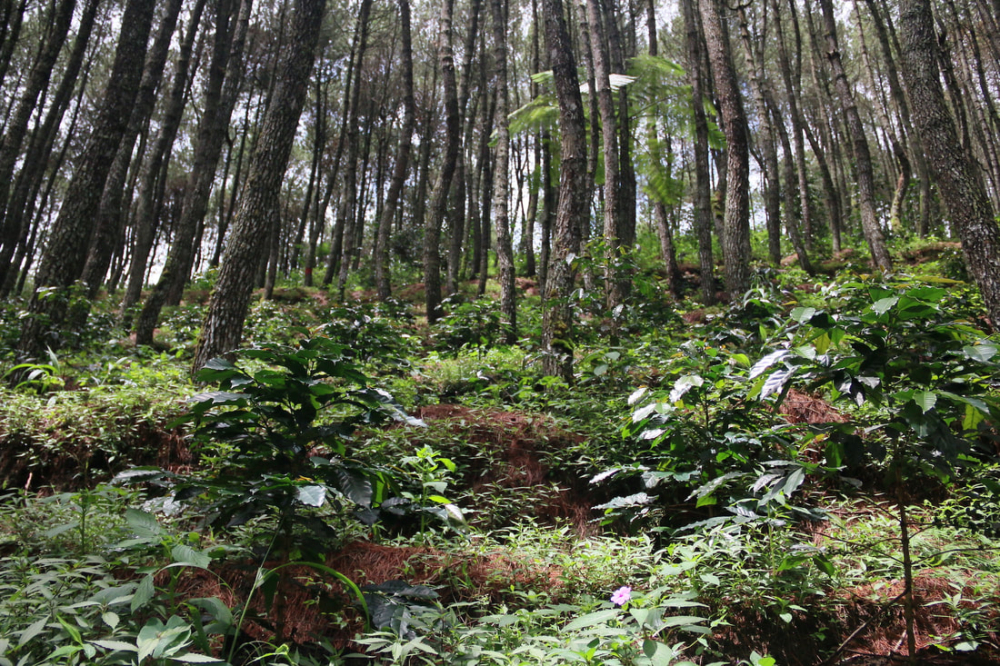
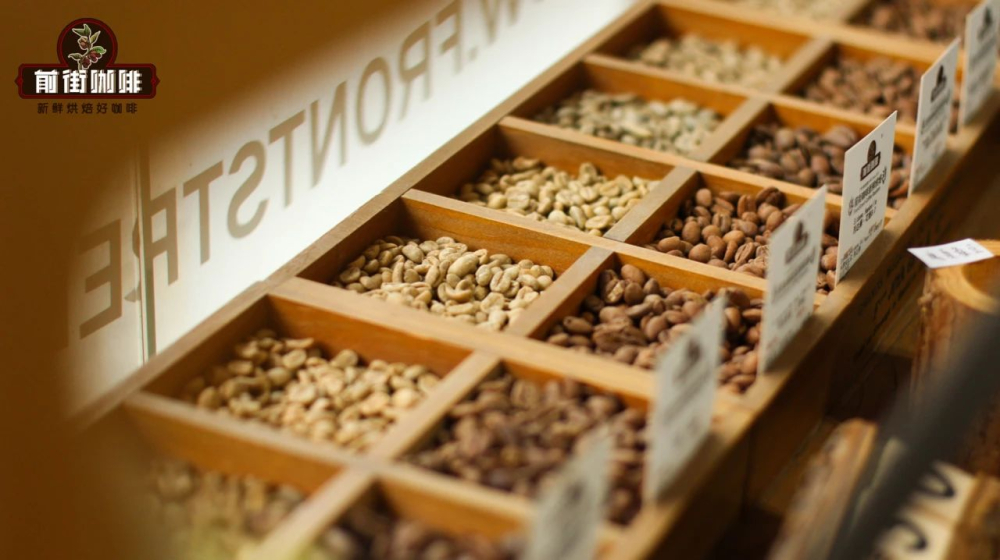
Returning to the actual tasting experience, currently available Indonesian civet coffee often features flavor descriptions such as herbs, nuts, dark chocolate, and fermented aromas. Due to its intense flavors, this type of coffee is well-suited to medium-dark roasts, which bring out its rich body. For brewing, it’s recommended to use a coarse water flow and slow circular pouring to maintain stable extraction and avoid over-extraction, which can lead to bitterness. Below are practical reference parameters and pour-over suggestions for a typical Indonesian civet coffee, helpful for trying this special coffee at home.
Country:Indonesia
Region:Sumatra
Elevation:1600-2100 meters
Variety:Arabica (may contain a small amount of Robusta)
Processing Method:Civet in-body fermentation + wet hulling
Flavor:Herbal, nutty, dark chocolate, fermented notes; thick and smooth mouthfeel with a pronounced aftertaste
Brewing Suggestions (suitable for KONO filter):
Roast Level:Medium-dark
Water Temperature:86-87°C
Grind Size:BG#6W (medium-fine grind, about the size of fine sugar)
Coffee-to-Water Ratio:1:15 (e.g., 15 grams of coffee to 225 ml of water)
Brewing Technique (three-pour method):
1. First pour: 30 grams of water, bloom for about 25 seconds.
2. After blooming, second pour to 125 grams, wait until the water level drops by about half.
3. Final pour: add the remaining 225 grams of water just before the coffee bed is exposed, with total brew time controlled between 1 minute 50 seconds and 2 minutes.
These parameters are designed to highlight the richness and herbal character of civet coffee while reducing the risk of over-extraction. Using a KONO filter, with its unique rib design, extends the contact time between water and coffee grounds, further improving extraction efficiency and mouthfeel smoothness.
In summary, although civet coffee is famous for its unusual origin, its true value lies in natural selection and rarity. Understanding the truths behind its processing and flavor characteristics can help you appreciate this legendary coffee more rationally and make smarter choices when faced with various versions on the market.
The above content is compiled by CoffeeHunters, a coffee news website.


