







Introduction:One of the charms of pour over coffee lies in how various brewing techniques can bring out distinctly different flavor profiles. This article delves into six classic pour over methods—including single pour, three-part pour, 4-6 method, triple warmth, volcano pour, and stirring method—breaking down each technique’s principles, brew ratios, grind adjustments, extraction times, and more. It also explains which types of coffee beans and brewing scenarios each method suits, helping you find the approach that best highlights a coffee’s potential.
The reason pour over coffee is so widely loved goes beyond its simple equipment and flexible operation—it’s also due to the diversity of brewing styles. Different pouring techniques and step arrangements directly affect the final flavor direction and taste layers of the coffee. This article will provide a detailed introduction to six common pour over techniques: single pour, three-part pour, 4-6 method, triple warmth brewing, volcano pour, and stirring method. From basic definitions, specific steps, suitable scenarios to practical advice, it comprehensively analyzes the principles behind each method, allowing you to flexibly choose based on coffee bean characteristics and steadily extract the perfect flavor to suit your personal taste.
Pour over coffee is highly versatile—not only in the choice of equipment and filters, but even the basic pouring methods have evolved into various schools, such as single pour, three-part pour, volcano pour, and variable temperature brewing, all of which are common practical techniques in the industry. Next, we’ll analyze these techniques one by one, helping you master the key elements, improve pour over stability, and enhance flavor expression.
I. Single Pour
Single pour is not simply a single continuous pour, but rather divided into two distinct stages: first, a brief bloom, followed by pouring the remaining water all at once. Though this technique may seem simple, its intuitive operation and stable flavor make it a favorite among many coffee enthusiasts. The name “single pour” comes from the concept of a decisive strike in swordsmanship—dividing the total pour into two parts and executing them in one fluid motion.
Taking the common example of 15 grams of coffee grounds with 225 ml of water, single pour typically starts with a 30 ml bloom, then pours the remaining 195 ml all at once. The total extraction time is about two minutes. The advantage of this method is its simplicity, high stability, and minimal release of late-stage impurities, resulting in a cleaner, clearer flavor. It’s well suited for beans that highlight bright, clean acidity.
II. Three-Part Pour
The three-part pour is a classic technique used by many specialty coffee shops today, especially effective for showcasing a coffee’s multi-layered flavors. Its core idea is to optimize flavor release by pouring in stages, based on the varying dissolution rates of compounds in the coffee. Generally, hot water first extracts acidity, then sweetness, and finally bitterness. Staged control allows for a more precise capture of each stage’s essence.
Using the same example of 15 grams of grounds and 225 ml of water, the three-part pour is usually divided into: a 30 ml bloom, a first pour of 95 ml, and a second pour of 100 ml. The overall extraction time is relatively longer, with water repeatedly flowing through the coffee bed, helping to improve extraction uniformity and flavor layering. This method works well for most medium-to-light roasted beans, highlighting fruity acids and floral aromas while keeping the finish clean.
III. 4-6 Method
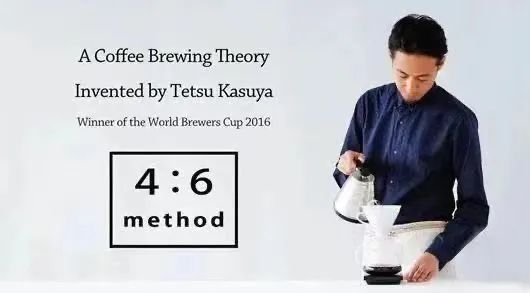
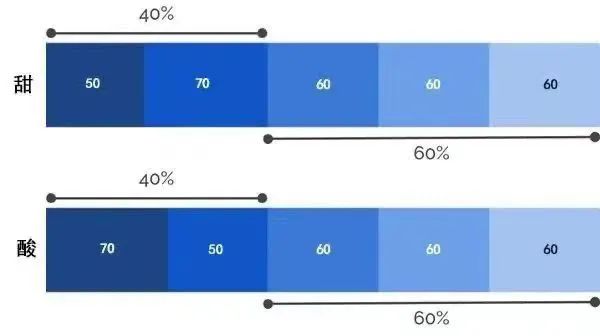
The 4-6 method, promoted by Japanese barista Tetsu Kasuya, was designed to make brewing more accessible and easier to succeed with. Its core concept is dividing the total pour volume into two parts: the first 40% sets the tone for the flavor (mainly the balance between acidity and sweetness), while the latter 60% governs body thickness and richness.
For example, using 20 grams of coffee and 300 ml of water, the 4-6 method is generally divided into five pours, each around 60 ml, with proper timing between pours. However, it’s important to note that since the total extraction time is extended, if the grind size isn’t adjusted accordingly, over-extraction can easily occur. Therefore, it’s recommended to use a coarser grind (e.g., about 50% passing through a #20 sieve) to reduce the risk of excessive fine particle release and maintain a rich yet clean taste.
IV. Triple Warmth Brewing Method
The triple warmth method, created by Wu Zelin, is a practical form of variable temperature brewing. Its standout feature is using different water temperatures at various stages to control the pace of flavor release. For example, with 16 grams of coffee and 240 ml of water, the first two stages use a high temperature of 94°C to extract the vibrant compounds early on, the third stage drops to 90°C, and the final stage further reduces to 80°C, effectively lowering the risk of over-extraction in the later phase.
This technique is more challenging, requiring multiple experiments to master the optimal temperature combination. But once set up correctly, it can highlight the coffee’s layers and intense flavor expression, making it especially suitable for advanced users who pursue bold flavor dynamics.
V. Volcano Pour
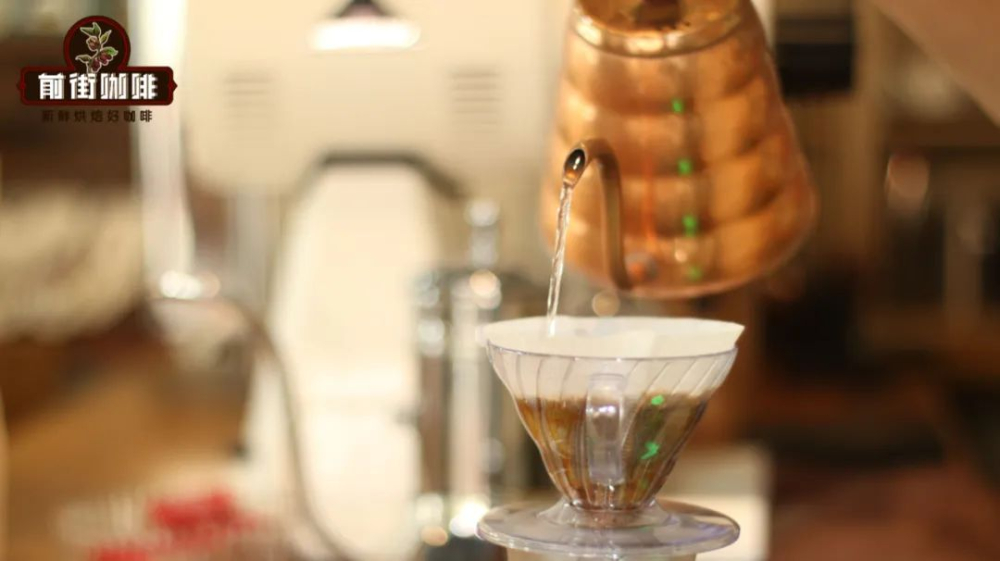
Volcano pour is a visually and flavorfully unique technique originating from Japan. Its name comes from the phenomenon where the center of the coffee grounds rises like a volcano during pouring, due to carbon dioxide release. This method is particularly suited to dark roasted beans, typically using 30 grams of coffee and 300 ml of water (a 1:10 brew ratio), with a V60-style cone filter. It begins with a 30-second bloom using twice the weight of coffee in hot water, followed by continuous small, gentle pours in the center—creating a unique degassing and extraction effect.
Volcano pour not only delivers a dramatic visual experience, but also brings out the deep roast bean’s signature rich sweetness and low bitterness, making it ideal for drinkers who prefer a full-bodied taste.
VI. Stirring Method
The stirring method, first popularized by World Brewers Cup champion Matt Perger, focuses on ensuring even water contact with the coffee grounds during the bloom phase to enhance overall extraction consistency. A common practice is to quickly stir in an up-down, left-right, then up-down motion during the bloom to ensure each coffee particle fully expands and releases its flavors.
However, it’s worth noting that stirring can cause fine particles to settle and clog the filter, so it demands higher technical skill and careful tool selection. Additionally, the stirring intensity and method vary greatly between brewers, so it’s recommended to fully understand the coffee’s characteristics and your own equipment before deciding to use this method.
In summary, the core of all these pour over techniques lies in controlling the sequence and proportion of the release of flavor compounds—acidity, sweetness, bitterness, and more. Once you’re familiar with these principles, you can flexibly choose the most suitable brewing strategy based on the coffee’s roast level, origin characteristics, and your personal taste preferences. Whether it’s the simplicity of single pour, the layering of three-part pour, or the visual spectacle of volcano pour, you’ll be able to brew with confidence and consistently achieve ideal flavors.
The above content is compiled by CoffeeHunters, a coffee news website.


