







Introduction:Beginners often confuse the differences between espresso beans and pour over beans, but in fact, they vary greatly in roast level, brewing method, and flavor profile. This article explains the distinctions in detail and recommends five classic espresso blends tailored for readers who enjoy bold, fruity, nutty notes, or high cost-performance. It also covers everything from crema performance to recommended drinks, along with practical advice on bean freshness and shelf life to help you reliably recreate café-quality flavors at home.
Many newcomers to coffee often wonder: what’s the difference between pour over beans and espresso beans? Simply put, espresso blends (also known as House Blends) are typically made by combining two or more single-origin beans from different regions, specifically designed for high-pressure, high-temperature espresso extraction. They’re commonly used to make popular drinks like lattes, cappuccinos, and Americanos. Because espresso extraction conditions are more intense, using light roast beans can easily result in overly sharp and thin-tasting shots. Therefore, it’s generally recommended to choose medium to dark roast beans that bring out a rich, full-bodied flavor.
This article first clarifies the main differences between espresso beans and pour over beans, then recommends five popular espresso blends on the market based on different flavor preferences. These include options for those who prefer strong flavors, love floral and fruity aromas, want nutty profiles, aim to recreate café-style flavors at home, and budget-conscious beginners who still seek consistent performance. Each blend is introduced with its unique features and ideal drink pairings, along with suggestions on roast level, grind size, and brewing methods to help you easily brew café-quality coffee at home.
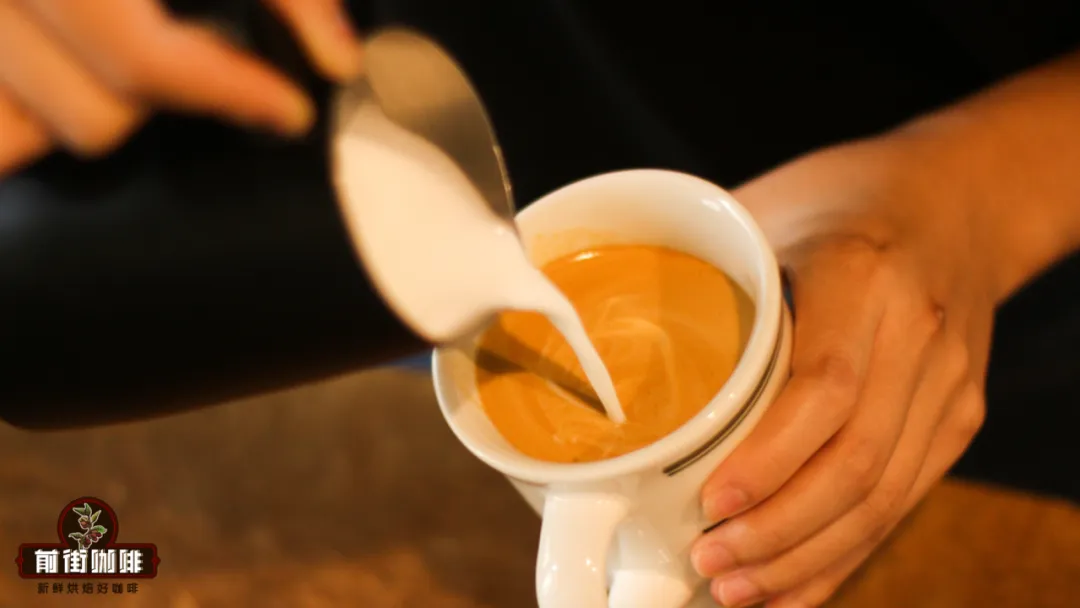
The “espresso blend” commonly heard in cafés, known in English as a House Blend, is typically composed of two or more single-origin beans. Its primary purpose is to be used in espresso machines—whether for cappuccinos, Americanos, lattes, or flat whites, these blends are essential for delivering stable and layered flavors. If you want to recreate your favorite café tastes at home, choosing the same espresso blend as your local shop is a key step toward achieving consistent flavor.
It’s important to note that espresso extraction has very unique requirements—not only is the grind size extremely fine, but it also takes place under high temperature and pressure, resulting in particularly intense flavor expression. Using light roast beans under these conditions can often lead to overly prominent acidity and an unbalanced, thin taste. Therefore, for those aiming to consistently produce satisfying espresso shots every day, choosing a medium to dark roast blend is a more reliable choice. Below, we’ve selected five practical and representative espresso blends based on different flavor profiles.
【Bold & Rich Route】 Classic Espresso Blend
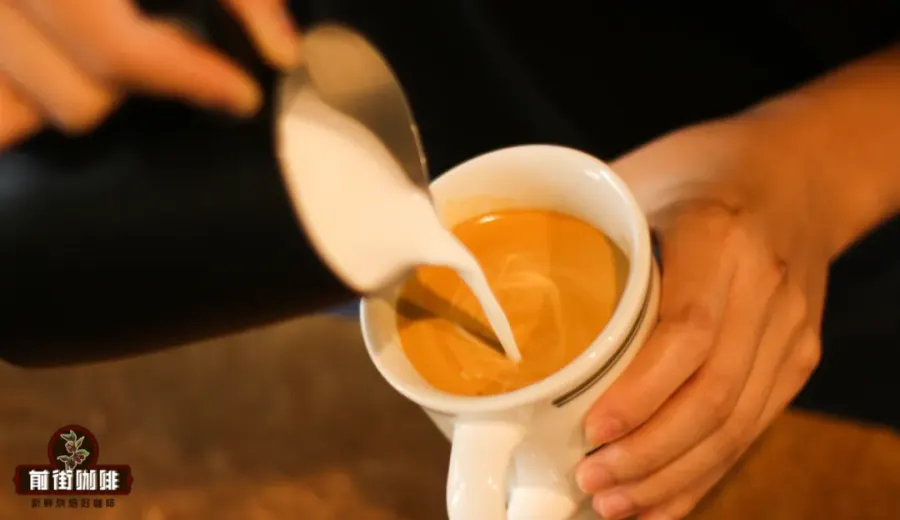
Many coffee enthusiasts have heard of “Mandheling & Brazil” (曼巴), but may not know its origins. This classic blend actually pairs Indonesian Mandheling beans with Brazilian beans—two complementary origins with distinct yet well-balanced profiles. It was once very popular in Taiwanese cafés and carries a nostalgic coffee charm. Building on this foundation, this classic espresso blend further incorporates Robusta beans, which not only enhance the crema (coffee foam) but also add more body and richness. It’s especially suitable for those who enjoy practicing latte art at home, offering a fuller mouthfeel and visual appeal.
【Floral & Fruity Route】 Strawberry Candy Espresso Blend
If you prefer your espresso to have gentle floral and fruity notes, choosing a medium-roast blend is a smart strategy. This Strawberry Candy espresso blend is based on Costa Rica’s famous honey-processed beans, combined with beans from two renowned Ethiopian regions, plus a touch of Colombian beans to create a well-balanced, sweet-and-sour flavor with clear layers. The resulting crema is excellent, and the cup has a smooth, velvety texture with a sweet tone reminiscent of strawberry taffy. It’s great for making both Americanos and lattes, offering a warm and pleasant taste experience.
【Nutty & Aromatic Route】 Premium Espresso Blend
Brazil and Colombia are globally renowned coffee-producing countries, and beans from these regions each have unique flavor characteristics and are often used in blends. This premium espresso blend cleverly combines Brazil beans’ nutty aroma and balanced taste with the common chocolate notes found in Colombian beans, creating a rounder and more robust overall profile. The brewed coffee offers aromas of butter cookies, cocoa, and roasted nuts, with low acidity and a gentle mouthfeel. It’s especially suitable for those who don’t prefer excessive acidity, and performs consistently well whether used for Americanos or lattes.
【Café-Style Route】 Commercial Espresso Blend
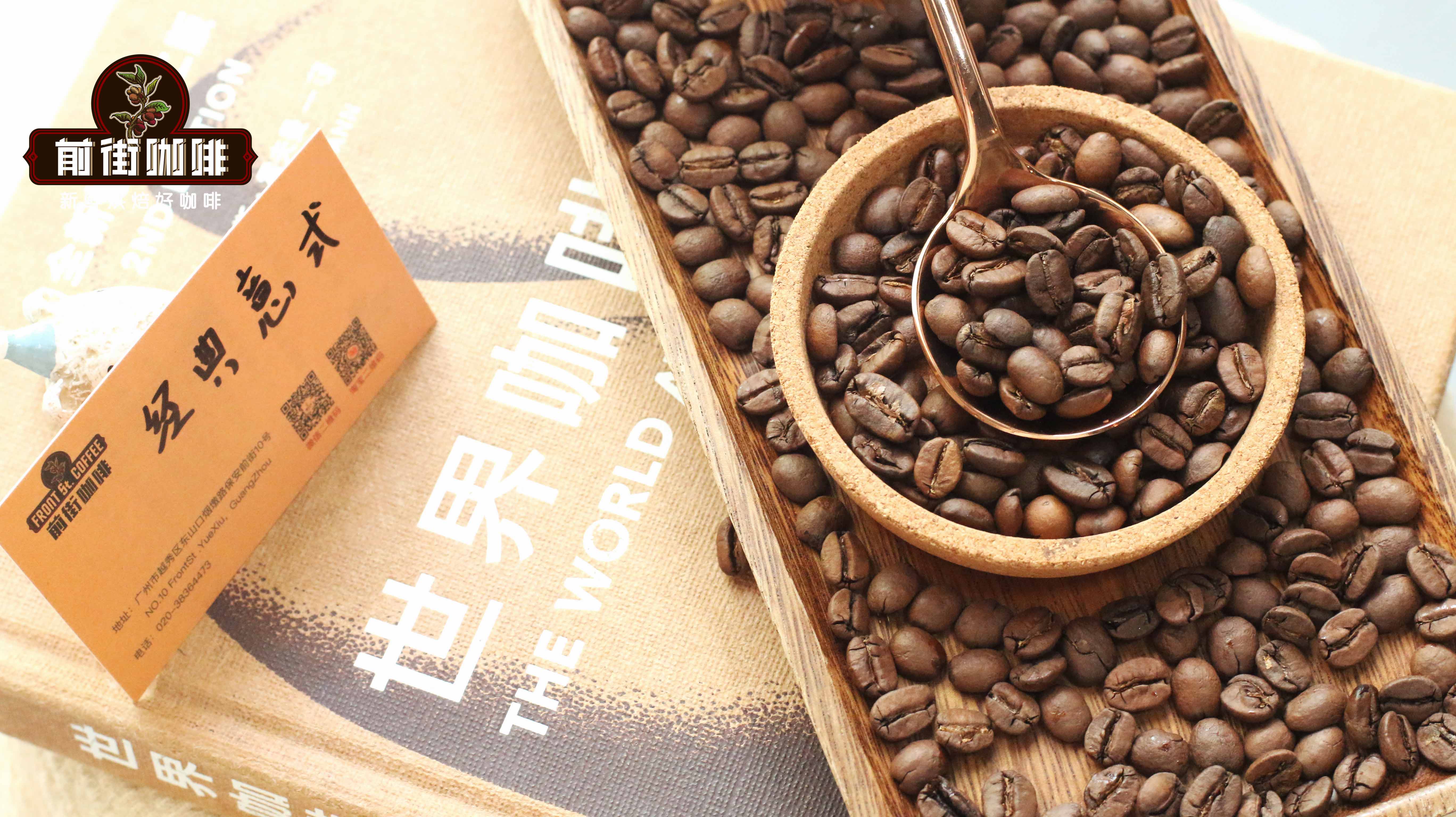
If you’ve always wanted to recreate the classic flavors of Americanos and lattes from cafés at home, this commercial espresso blend is a highly practical choice. It’s a blend of beans from Brazil, Colombia, and Vietnam, roasted to a medium-dark level. It not only delivers rich crema but also features pronounced roasty aromas. As an Americano, it has a mellow and smooth taste; as a latte base, it provides a thick, silky texture with a long finish. In addition, the price is relatively affordable, making it an excellent everyday bean for home use without putting too much strain on your wallet.
【Budget-Friendly Route】 Basic Espresso Blend
For those new to coffee or looking to control their budget, choosing a high-cost-performance espresso blend is a top priority. This basic espresso blend offers soft fruit acidity, natural caramel sweetness, and stable nutty and dark chocolate notes. It has a smooth overall mouthfeel with decent body, making it perfect for daily drinking. Whether for home use or small cafés, this blend delivers consistent and satisfying extraction at a friendly price, making it an ideal option for beginners.
Whether you choose pour over or espresso brewing, the “freshness” of the coffee beans is one of the key factors affecting the final flavor. We always emphasize that freshly roasted beans play a crucial role in flavor presentation. Our roasted beans are all roasted within five days to ensure customers enjoy the freshest possible coffee experience. Upholding the philosophy of “Fresh Roasting for Great Coffee,” we ensure every customer receives beans at their peak right out of the roaster.
Generally speaking, after roasting, carbon dioxide inside the beans is gradually released, and the aroma dissipates over time. To achieve the best extraction experience, it’s recommended to consume the beans within 40 to 50 days after roasting—that is, ideally within about a month and a half—to avoid unwanted woody or overly bitter flavors. Keeping track of roast dates and shelf life will help you enjoy the most authentic and captivating flavors in every cup.
The above content is compiled by CoffeeHunters, a coffee news website.


