







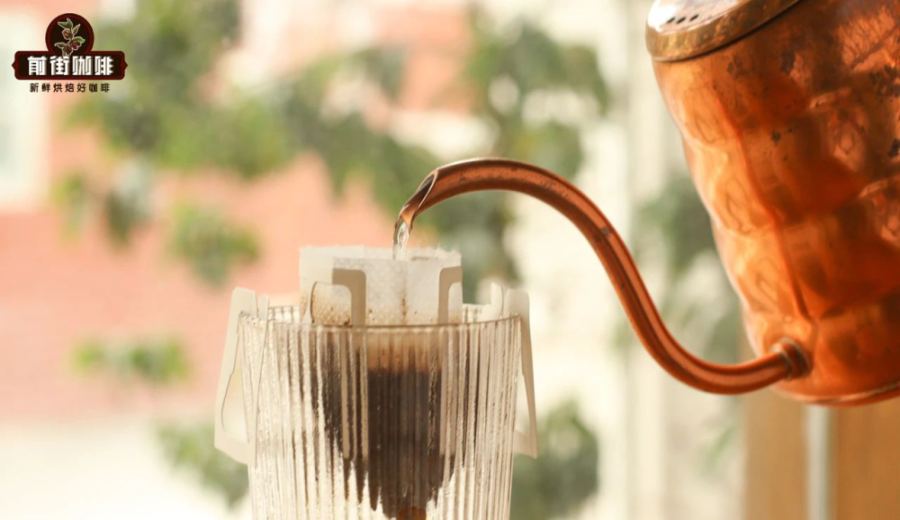
Introduction:Drip bags combine convenience with freshness, making them a top daily choice for many coffee enthusiasts. However, to brew a drip bag coffee with distinct layers and balanced flavor, it's essential to master the correct pouring technique, water temperature control, and coffee-to-water ratio. This article delves into the step-by-step process of brewing drip bag coffee, covering every detail from blooming to pouring, and offers professional advice tailored to different flavor profiles such as Blue Mountain and Yirgacheffe, helping you easily brew professional-grade coffee at home or in the office.
Thanks to their ease of use and the freshness of the coffee beans, drip bags have become the go-to daily beverage for many busy modern individuals. Yet, brewing a cup with a rich mouthfeel and clear flavor involves nuanced steps. From unpacking and hanging to pouring and blooming, each stage requires precise control. This article will use a common drip bag as an example to explain the optimal brewing process in detail, including ideal water temperature, recommended coffee-to-water ratio, and practical pouring techniques. It will also explore how coffee bean freshness and grind size affect flavor, and recommend three representative classic-flavor drip bag beans—so you can enjoy a professional-level pour-over experience whether at home or in the office.
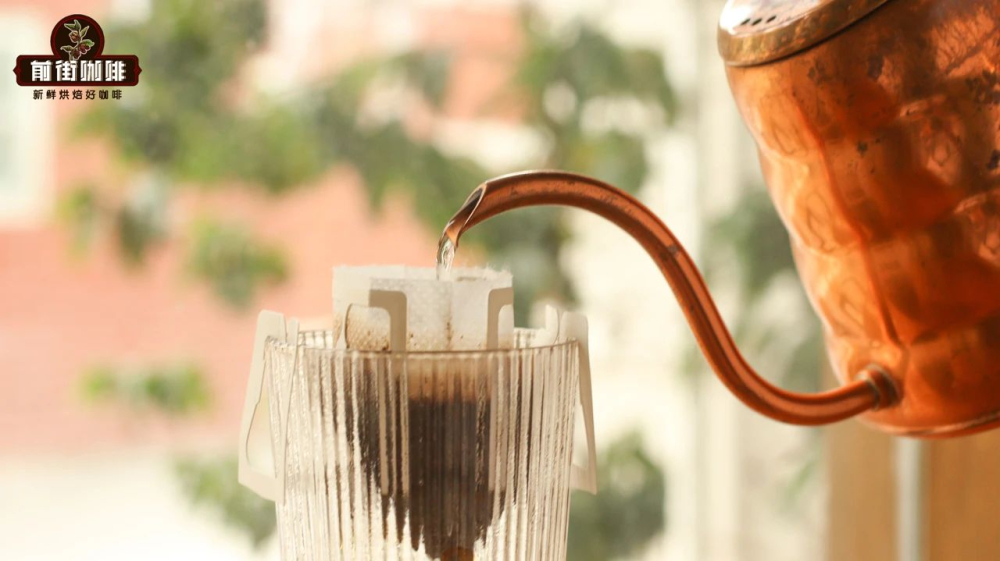
If you want to enjoy fresh and convenient coffee anytime, drip bags are undoubtedly an excellent choice. Next, we’ll break down the key points of brewing drip bag coffee step by step and highlight the details that most influence the final flavor, elevating your coffee experience to the next level.
Brewing drip bag coffee is quite intuitive—just slowly pour hot water over the coffee grounds in the drip bag and wait for the coffee to drip through to complete extraction. For a standard drip bag, each pack usually contains about 10 grams of coffee grounds and yields approximately 120 to 130 milliliters of brewed coffee.
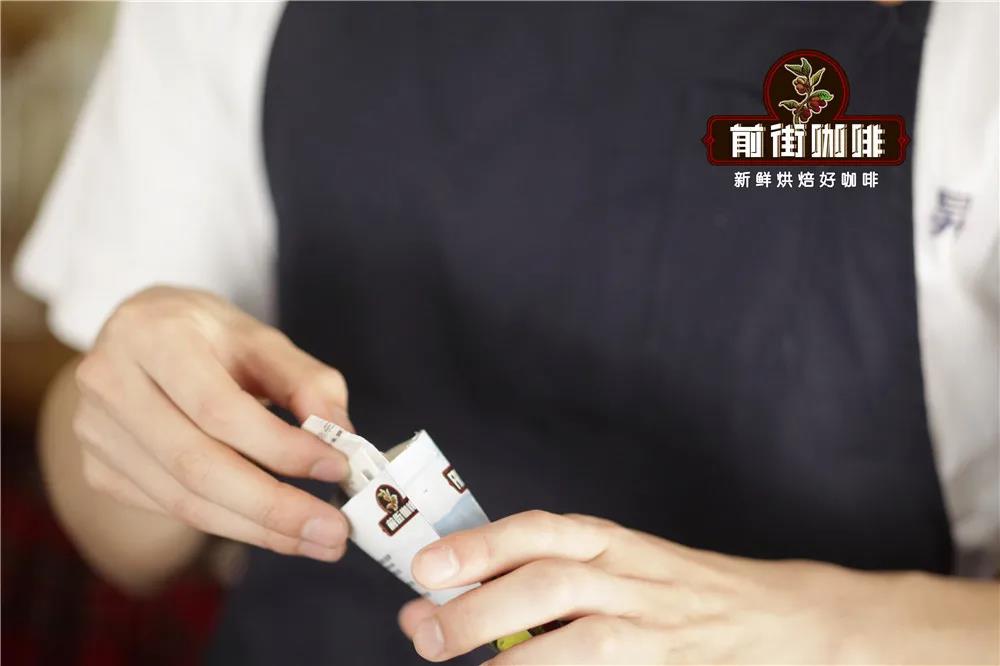
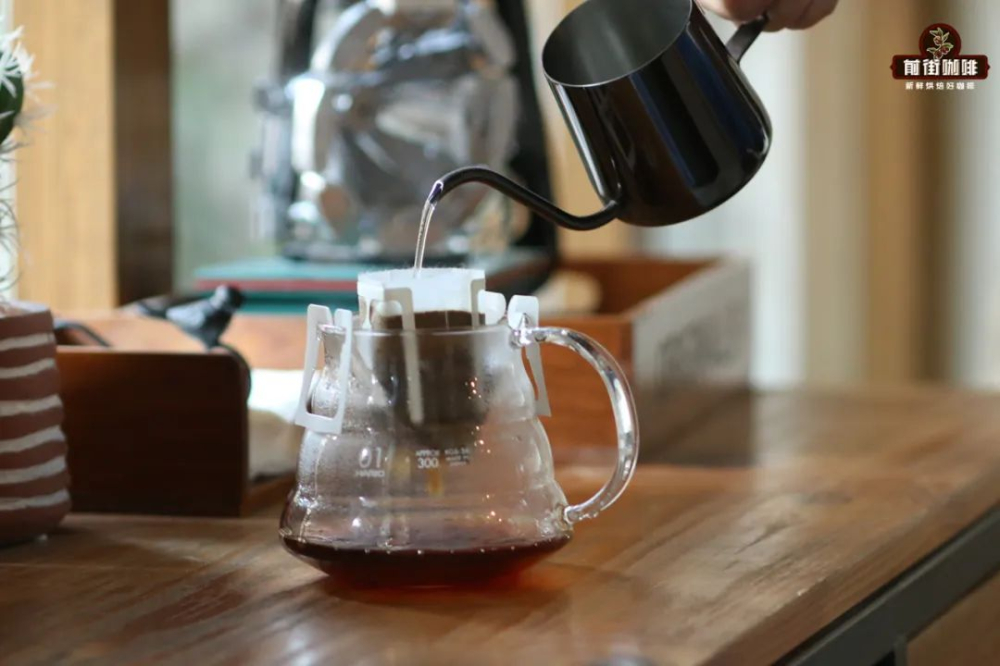
Preparation is simple: start by boiling water and preparing a suitable cup or sharing pitcher. Then, tear open the outer packaging of the drip bag, remove the internal non-woven filter pouch, and tear along the designated line to open the opening. Next, pull the two "ears" outward and hang them securely on the rim of the cup. This design allows the coffee bed to steadily receive the hot water flow.
The first step is pre-wetting, commonly known as blooming. Begin by pouring a small amount of hot water, about 20 to 30 grams, ensuring all the coffee grounds are evenly moistened. Let it sit for about 10 to 20 seconds—this allows the carbon dioxide in the coffee grounds to escape, helping subsequent flavors release more smoothly and stabilizing the overall extraction. After blooming, move on to the main extraction phase. Use a steady, fine stream of water to continue pouring until the liquid level nears the rim of the cup, then wait as the coffee drips through. Finally, you may add a third pour to reach a total of about 150 grams. Once the entire process is complete, you can enjoy a fully extracted cup of drip bag coffee.
After brewing, gently swirl the coffee in the cup to even out the flavors. It’s recommended to first taste the black coffee to appreciate its pure expression, then adjust the flavor with sugar or milk according to personal preference.
The overall flavor profile of drip bag coffee is influenced by multiple factors, including the freshness of the coffee beans, the coffee-to-water ratio used, water temperature control, and the pouring method. To ensure each cup performs at its best, here are some key details to pay special attention to.
To preserve the coffee’s most original aromas and flavors, drip bag coffee is typically made from freshly roasted beans ground just before packaging. Generally, coffee beans need about 4 to 7 days of degassing time after roasting to allow internal carbon dioxide to dissipate gradually, after which they enter their peak flavor period. In actual shipping scenarios, the beans used in most drip bag coffees are ground and packaged within about 5 days post-roasting. By the time they arrive, they’re usually on day 4 or 5—right at the peak of flavor.
The extraction principle of drip bag coffee is similar to that of pour over, so it’s recommended to use a grind size akin to pour over. Typically, each drip bag contains about 10 grams of coffee grounds. While this small packaging helps maintain freshness, the increased surface area of ground coffee exposed to air also accelerates aroma evaporation. It’s advised to consume the coffee soon after purchase. For a fuller experience of the coffee’s multi-layered flavors, buying roasted beans and grinding them yourself is the better option.
Water temperature is key to flavor release. An appropriately high water temperature can fully activate the aromatic compounds in the coffee. The recommended water temperature range for pour over is 86 to 93°C. If the water temperature is too low—around 80°C, for instance—it can result in a thin and dull-tasting coffee. Conversely, using just-boiled water may lead to over-extraction, producing a burnt or bitter taste. For optimal extraction, let boiled water sit for about 1 to 2 minutes to naturally cool to around 90°C before use.
The coffee-to-water ratio is equally crucial. A ratio that’s too high, such as 1:12, may make the coffee overly strong and bitter, while one that’s too low, like 1:18, can result in a weak, one-dimensional flavor. A general recommendation for beginners is to start with 1:15—that is, 10 grams of coffee grounds to 150 grams of hot water. This ratio achieves a balance between flavor and strength. If you don’t have a digital scale handy, you can also use a measuring cup with volume markers to help gauge the water amount.
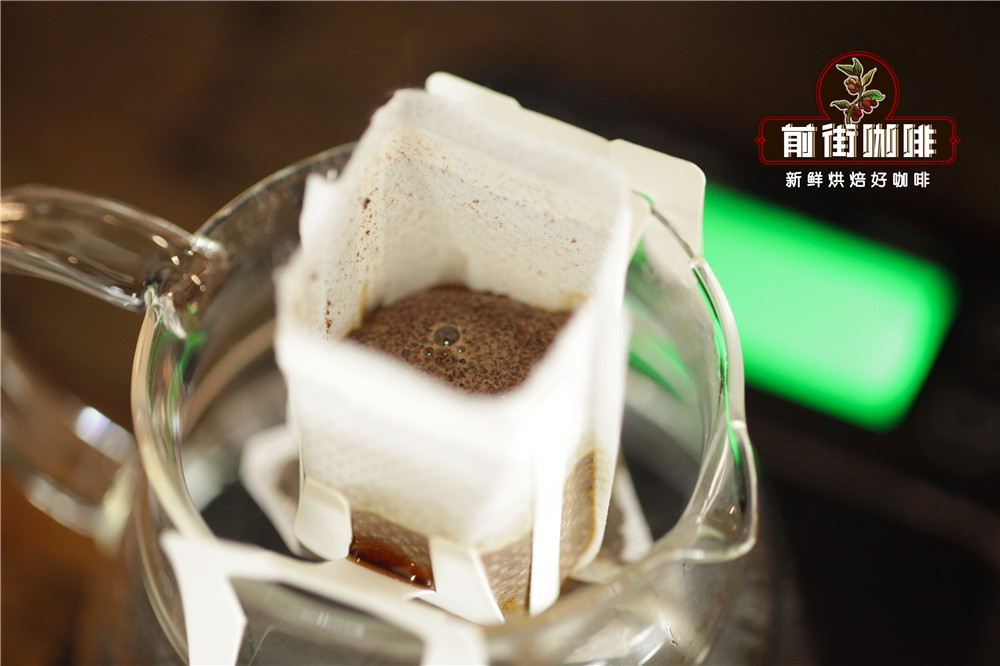
The pouring method also significantly affects extraction uniformity. It’s recommended to use a narrow-spout kettle or other tools that allow stable control of water flow, pouring in small, steady streams to avoid uneven extraction caused by overly forceful pouring. Additionally, proper blooming not only helps release carbon dioxide but also facilitates smoother subsequent extraction and clearer flavors.
Many office workers often ask: which coffee beans are suitable for making into drip bags? In fact, many single-origin beans can be crafted into drip coffee with outstanding flavor. Here are three classic and distinctly flavored drip bag coffee options we recommend:
1. Yirgacheffe Gutedu Cooperative Washed Drip Bag Coffee
Sourced from Ethiopia’s renowned Yirgacheffe region and produced by the Gutedu Cooperative, this coffee grows at altitudes between 1900 and 2300 meters. It uses local native variety beans and is processed via the washed method, classified as G1 grade. This coffee is celebrated for its bright citrus and berry notes, paired with soft lemon acidity and a green tea finish, along with a prominent sugarcane-like sweetness.
2. Jamaica Blue Mountain No.1 Drip Bag Coffee
Blue Mountain coffee is famed for its strict regional grading system and barrel transport. Only the highest-grade No.1 beans meet the standard. This Blue Mountain No.1 comes from the Clifton Estate, carries Rainforest Alliance certification, and is medium-dark roasted. Its flavor showcases classic notes of chocolate, nuts, and cream, with a rich mouthfeel and long-lasting aftertaste.
3. Sidamo Huakui Drip Bag Coffee
This coffee is the 2017 Ethiopian TOH Natural Category Champion bean, processed using the natural (sun-dried) method. It hails from Ethiopia’s high-altitude Sidamo region, at elevations of about 2250 to 2350 meters. The native variety beans offer unique flavors of strawberry cream, honey, and black tea, blended with lemon acidity and floral tea notes, resulting in a rich and unforgettable layered profile.
The above content is compiled by CoffeeHunters, a coffee news website.


