







Introduction:Want to understand the characteristics and extraction principles of SOE (Single Origin Espresso)? This article delves into the differences between single-origin espresso and traditional Italian blended beans, covering everything from flavor profiles to extraction parameters. It helps you master the skills for selecting Italian beans that are not overly acidic and have balanced mouthfeel, while also recommending several practical blend options—suitable for both home use and cafés.
When you walk into a specialty coffee shop, you might see an "SOE" option on the menu, which stands for Single Origin Espresso—espresso made using beans from a single origin. Many people mistakenly assume that single-origin beans automatically equate to high quality or a premium feel, but this isn’t entirely accurate. What roles do single-origin and blended beans play in espresso? How can you choose beans that avoid overly sharp acidity while still showcasing rich flavors? We’ll start with the extraction principles to take you deeper into the topic.
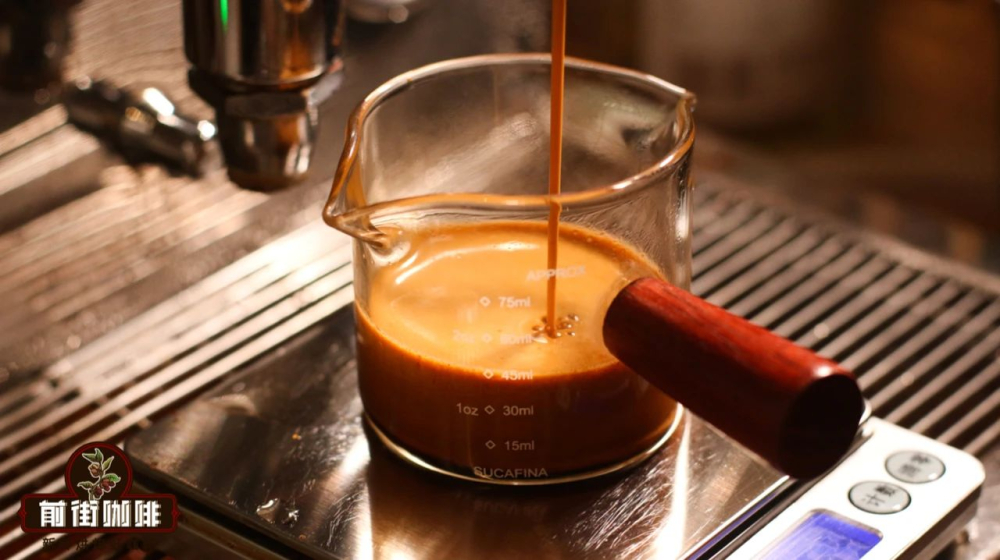
The process of extracting espresso emphasizes the coordination of finely ground coffee, high pressure, and hot water flow. When a barista fills the portafilter with extremely finely ground coffee, distributes it evenly, and applies appropriate tamping, they then begin extracting under approximately 9 bars of high pressure, allowing near-boiling hot water to pass through the tightly packed coffee puck. Under these extraction conditions, a large amount of soluble substances in the coffee are released, resulting in a rich and layered espresso. However, due to the concentrated flavors, it is often paired with milk or water to create drinks like lattes or Americanos.
SOE refers to espresso made using coffee beans from a single region or a single variety. With the rise of the third wave of specialty coffee, consumers are paying more attention to the origin and flavor characteristics of their coffee. Single-origin beans, with their traceability, can clearly present the unique flavors imparted by the region, farm, or even variety, gradually gaining popularity. For example, beans from certain regions naturally have pronounced berry or citrus notes, which are especially prominent when brewed using methods like pour over, cold drip, or cold brew. However, these clear and intense characteristics may not perfectly align with mainstream tastes when used directly for espresso.
For instance, some single-origin beans from Kenya, known for their pronounced berry acidity, may have their acidity amplified when used as SOE, becoming overly prominent or even puckering. This is why most cafés still prefer to use blended beans as the base for espresso to ensure balanced and stable flavors.
Blended beans, also known as mixed beans, are made by combining two or more types of beans from different regions or varieties in specific proportions. The biggest advantage of this approach is that it takes the strengths of each bean and compensates for their weaknesses. For example, pairing a bean with a soft mouthfeel but lacking in body with another that has a full body but relatively simple flavors can create a more complete and layered coffee experience. Additionally, blended beans are usually more cost-effective, offer better value, and have more stable flavors that are less affected by the harvest of a single region, making them a practical first choice for many cafés and home users.
Below are several common and practical types of Italian blended beans, each designed to meet different needs and taste preferences:
1. Classic Balanced Style: Classic Italian Blend
Flavor Profile: Delivers classic coffee notes with nutty and chocolatey undertones, a soft mouthfeel, and noticeable sweetness, with almost no acidity or bitterness. Suitable for both milk and black coffee, performs consistently whether hot or cold, and works well with any brewing method. Perfect for beginners or those who don’t want to spend time selecting beans.
2. Refreshing Fruity Style: Strawberry Candy Blend
Flavor Profile: Features subtle rose floral notes and rich strawberry jam aromas, low acidity, and a creamy, velvety mouthfeel. Ideal for consumers who enjoy refreshing fruit tones. Recommended for making short lattes or flat whites, showcasing an excellent balance of delicate fruit and milk flavors.
3. Nutty Creamy Style: Premium Italian Blend
Flavor Profile: Smooth on the palate, with distinct roasted nut, cocoa, and maple syrup aromas, and a cane sugar-like natural sweetness in the finish. The overall profile is very comforting. Suitable for various specialty cafés and home users, meeting dual demands for layering and smoothness.

4. Commercial High-Value Option: Commercial Italian Blend
Flavor Profile: Centered around bold dark cocoa and toasted bread notes, with a mellow and smooth mouthfeel. Suitable for high-volume use or commercial settings. Particularly outstanding for making lattes—rich, smooth, and with a long-lasting aftertaste. An excellent value choice.
5. Beginner-Friendly Budget Option: Basic Italian Blend
Flavor Profile: Based on dark cocoa and chocolate, complemented by nutty tones, with soft acidity and an overall balanced, easy-drinking profile. Whether making milk coffee or Americano, it delivers a smooth and refreshing taste. Very suitable for daily home use or frequent coffee drinkers.
In summary, while SOE single-origin espresso can showcase the unique characteristics of a region, special attention must be paid to acidity and flavor balance during extraction. If you prefer a stable, non-acidic, and rounded coffee experience, carefully crafted Italian blends are often a more practical and accessible choice. Whether you’re a beginner coffee enthusiast or a café owner looking for a reliable bean source, you can find the most suitable Italian beans for your taste based on the recommendations above.
The above content is compiled by CoffeeHunters, a coffee news website.


