







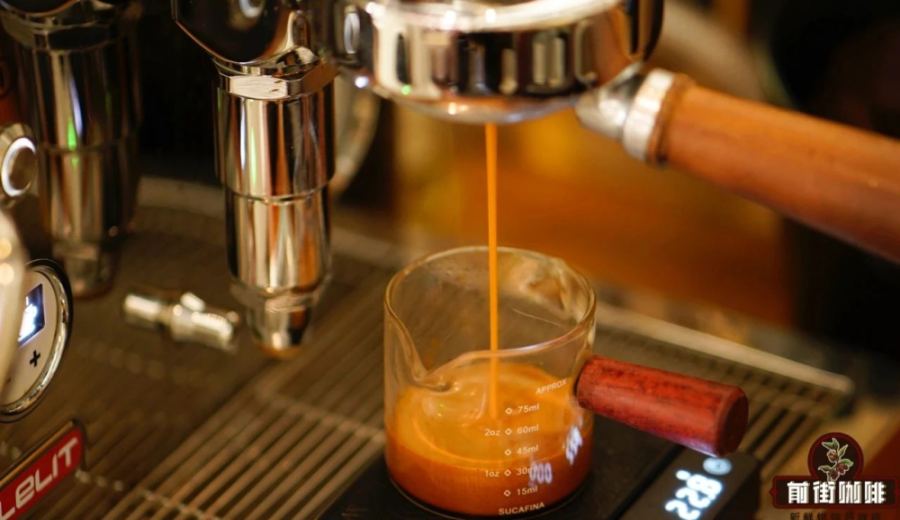
Introduction:Italian-style blends and single-origin coffee beans are two common but distinctly different types of coffee beans. Whether you're just starting out or looking to deepen your understanding of coffee, grasping their characteristics can help you choose beans that suit your taste. This article provides a comprehensive analysis of the core differences between the two—from definitions, naming logic, flavor profiles to practical uses—and includes useful advice to help you make more suitable choices based on brewing methods and scenarios.
For those who are new to coffee, it's often unclear what exactly distinguishes "single-origin beans" from "Italian-style blend beans." In reality, these two types of coffee beans differ significantly in terms of origin, roasting strategy, and final flavor expression. Understanding these basic concepts can help you shop and brew with more direction.
What is single-origin coffee?
As the name suggests, single-origin coffee refers to beans sourced from a single origin—sometimes even a single farm or a single variety. This type of coffee emphasizes regional characteristics, meaning the unique flavors imparted by the natural conditions of the growing region, such as climate, altitude, and soil, including floral, citrus, berry, or nutty notes. When tasting, it’s usually recommended to enjoy it without sugar or milk to truly experience its native flavor.
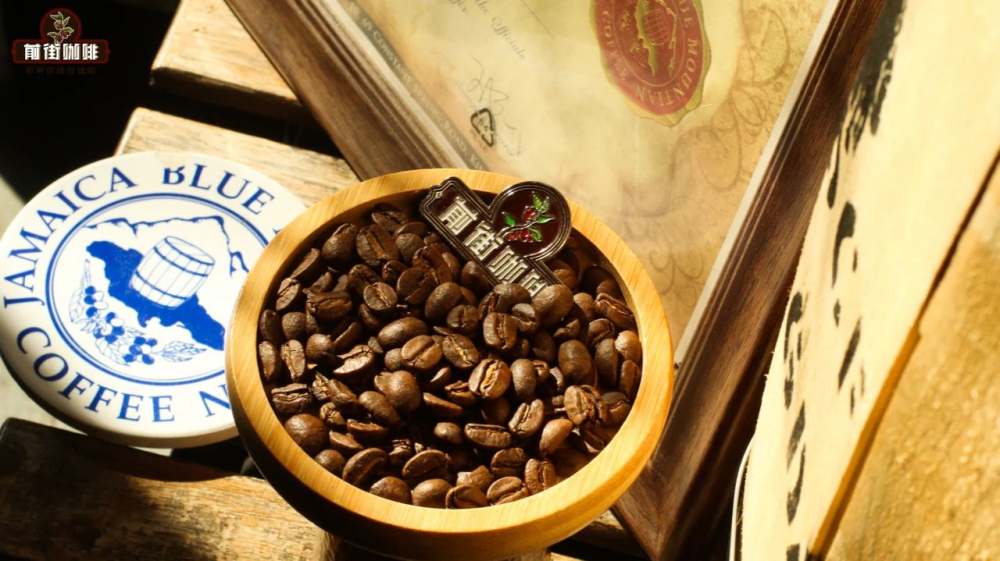
In the past, commonly heard names like Blue Mountain, Colombia, and Brazil were all single-origin coffees named after their regions. It's worth mentioning that single-origin coffee also comes in specialty and commercial grades. Specialty-grade typically offers more delicate flavors with distinct regional traits, while commercial-grade is geared toward the mass market, with relatively balanced flavors.
Naming Logic and Brewing Methods
Single-origin beans are usually named after their place of origin, such as Yirgacheffe, Mandheling, or Panamanian Geisha, allowing consumers to easily grasp their source at a glance. It's recommended that when first trying single-origin coffee, you avoid adding sugar or milk right away, and instead experience the layers and variations of its original flavors—this helps you better understand the unique characteristics of coffee from different regions.
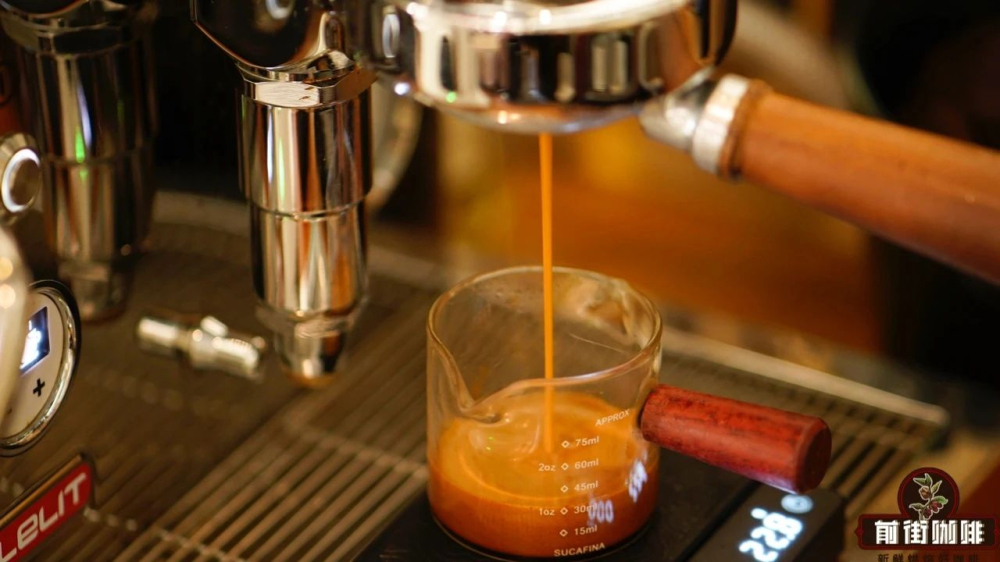
What is Italian-style blend coffee?
Unlike single-origin coffee, which highlights the flavor of a single region, blends combine two or more coffee beans from different origins, varieties, or even different roast levels, mixed in specific proportions. The goal of this approach is to create a more balanced and richer flavor profile, particularly suitable for making various specialty coffee drinks, such as lattes, cappuccinos, and caramel macchiatos.
Blended coffee is also known as "mocha blend" or "mixed coffee." Its naming is generally not origin-based but rather oriented around brand, flavor, or usage, such as “Classic Blend” or “Commercial Blend.” These types of coffee mostly use commercial-grade beans, which are relatively lower in cost, but still deliver excellent taste and aroma through professional blending.
Common Base for Specialty Coffee Drinks
Most specialty coffee drinks are based on espresso, using steam to froth milk, and then adding ingredients such as milk foam, chocolate syrup, or caramel sauce according to different recipes. These drinks require a high degree of balance in coffee flavor, so blends are generally used to ensure each cup delivers consistent taste and aroma.
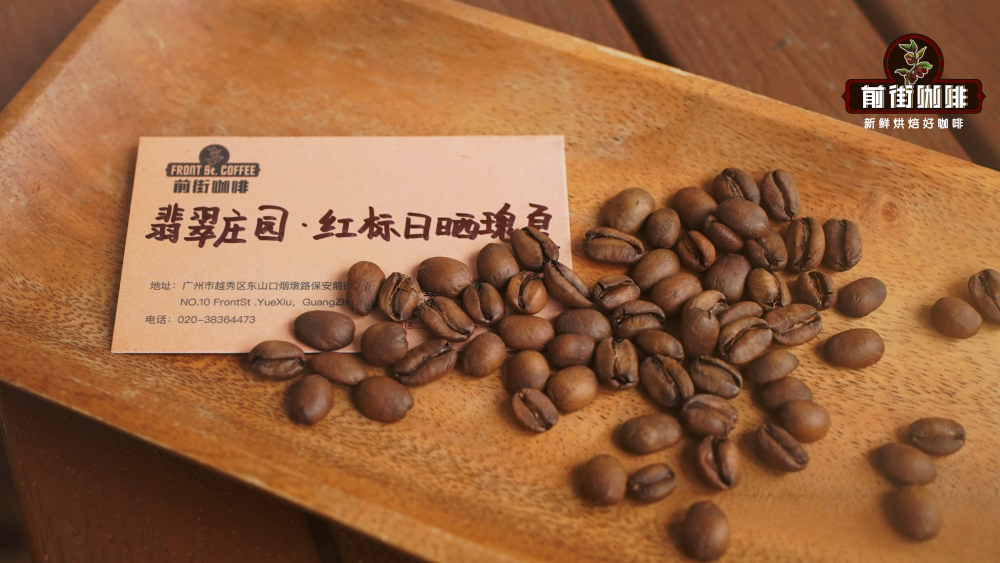
Applications and Features of Five Common Blend Coffee Beans
Below are five Italian-style blend coffee beans of different styles, covering various scenarios from home use to professional shops. Each has its own unique blending logic and usage recommendations:
1. Specialty Blend Coffee Beans: Combining Colombian washed beans and Brazilian semi-washed beans, its flavor profile includes nuts, dark chocolate, and caramel. Suitable for making lattes or Dirty espresso, it has rich crema and stable latte art performance. Ideal for home use and boutique coffee shops.
2. Commercial Blend Coffee Beans: Made up of Colombian, Brazilian, and a small amount of Robusta beans. Its flavor layers include roasted toast, almond, and walnut aromas. It has a full body and good crema fluidity, offering great value for money, and is suitable for coffee shops with high production volume.
3. Dark Cocoa Blend Coffee Beans: A mix of Yunnan washed small-bean beans and Brazilian semi-washed beans, featuring mature plum acidity and creamy chocolate aroma. The crema shows a beautiful golden color. Suitable for home use and bakery settings.
4. Classic Blend Coffee Beans: Inspired by the classic "Mamba" combination (Mandheling + Brazilian), using beans from three origins, medium-dark roasted. Suitable for beginners practicing latte art. Includes a small amount of Robusta to enhance crema and aroma intensity. Ideal for coffee shops aiming for a premium positioning.
5. Other Blend Options: There are also other blends available on the market from various brands, often targeting balanced acidity and sweetness, enhanced body, and extended shelf life. Suitable for different consumer groups and usage scenarios.
Practical Advice: How to Choose the Right Coffee Beans for You?
If you prefer to taste the original regional flavors of coffee and don’t mind a few impurities or noticeable fruit acidity, single-origin coffee is the better choice—especially suitable for brewing methods like pour over or French press. If you often drink milk-based coffee or want each cup to be consistently stable, then blend coffee beans are undoubtedly the more practical option, especially when making espresso or specialty coffee drinks where their combined advantages shine.
Additionally, no matter which type of beans you choose, pay attention to the roast date. Freshly roasted beans (generally recommended to use within 7–21 days after roasting) usually deliver the best flavor. Proper storage in a dark, airtight, and cool environment can also effectively extend the optimal flavor period of the coffee beans.
The above content is compiled by CoffeeHunters, a coffee news website.


