







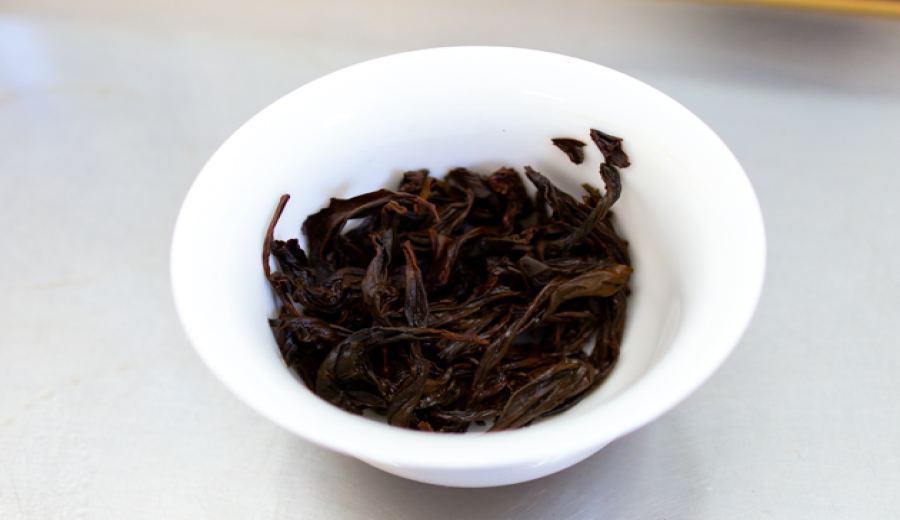
Introduction:As the origin of world black tea, Lapsang Souchong’s enchanting sweet aroma hides the secrets of Tongmuguan’s native Xiaocai tea variety and traditional charcoal roasting craftsmanship. This article delves into whether Tongmuguan Xiaocai tea is the same as Lapsang Souchong, explores how charcoal roasting shapes fruity sweetness, compares the flavor profiles of Xiaochitian, Wuyi Qizhong, and Lapsang Souchong, and also highlights the peach and mango notes of Qizhong black tea grown at 1200 meters altitude in natural tea gardens—helping you better understand the diverse flavor layers of this classic black tea.
Lapsang Souchong is hailed as the progenitor of world black tea. Its distinctive fruity aroma and honey-sweet flavor are closely tied to the native Xiaocai tea variety of Tongmuguan village and the long-standing tradition of charcoal roasting. This article will deeply analyze how the charcoal roasting process influences flavor, compare the differences in aroma and taste between Xiaochitian, Wuyi Qizhong, and Lapsang Souchong, clarify the relationship between Tongmuguan Xiaocai tea and Lapsang Souchong, and unravel questions frequently asked by tea enthusiasts such as “Why does Lapsang Souchong taste so sweet?”
When making Lapsang Souchong (especially the traditional Qizhong series), there is a crucial step that is often overlooked—charcoal roasting. This step is performed after the conventional black tea production processes—withering, rolling, fermentation, and initial drying—are completed, followed by additional baking with low-temperature charcoal fire. This technique is similar in approach to the charcoal roasting methods used for Phoenix Dancong or Wuyi Yancha teas. Through slow and controlled heating, it further transforms the internal substances of the tea leaves, thereby enhancing the complexity of the aroma and the expression of fruity notes. Although in recent years many non-roasted or electrically roasted teas have emerged, the traditional charcoal roasting process remains the best way to showcase the classic flavor of Lapsang Souchong.
For tea enthusiasts who appreciate the traditional style, there is also a choice of premium-grade Lapsang Souchong that retains the classic pine smoke aroma. In addition to a subtle hint of pine wood smoke, these teas also blend the sweet aromas of peaches and tropical fruits, creating a unique layered profile—making them an excellent option for experiencing the multifaceted flavors of Lapsang Souchong.
It is often asked whether Tongmuguan Xiaocai tea is the same as Lapsang Souchong. In fact, Xiaocai tea is a native tea plant variety in Tongmuguan village and was one of the main raw materials used in the early production of Lapsang Souchong. However, as an official tea category name, Lapsang Souchong covers a broader range. In addition to Xiaocai tea, it also includes teas made from other locally suitable tea plant varieties (such as Wuyi Qizhong), as long as they meet the regional and processing standards, they can be classified as Lapsang Souchong.
Among them, “Xiaochitian” is a common term in the market for a certain type of Lapsang Souchong that exhibits distinct fruity notes without smoky flavors. These teas are usually subjected to low-temperature, long-duration charcoal roasting, resulting in a tea liquor with a gentle, sweet aroma akin to longan, suitable for drinkers who prefer a refreshing fruity taste. It’s worth noting that this kind of sweetness is not due to added sugar or spices but is a natural result of the interaction between charcoal roasting and the inherent substances within the tea leaves.
As for the Wuyi Qizhong black tea produced in the naturally cultivated tea gardens at 1200 meters altitude in Tongmuguan Pass, it presents another unique flavor profile—notes of peach and mango are prominent, and the tea liquor is rich yet free of smokiness, delivering a warm and full-bodied taste experience. These Qizhong black teas, grown in high-altitude mountainous regions with large day-night temperature variations, grow slowly, accumulating richer aromatic compounds, and are an indispensable member of the Lapsang Souchong family.
In summary, the sweetness of Lapsang Souchong is no accident but the result of the combined effects of varietal characteristics, high-altitude environment, and traditional charcoal roasting craftsmanship. Whether you prefer the refreshing fruity notes of Xiaochitian, the interplay of smoky and fruity flavors in traditional Lapsang Souchong, or the high-altitude naturally cultivated Qizhong black tea, you can find your own black tea surprise among these distinctly flavored teas.
The above content is compiled by CoffeeHunters, a coffee news website.


