







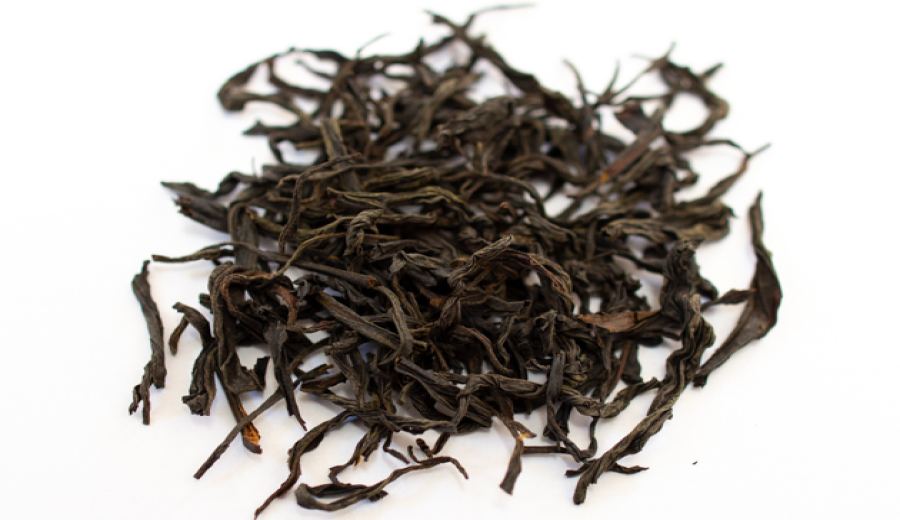
Introduction:This article delves into the Zhengshan Xiaozhong Qizhong tea from Tongmuguan, Wuyishan, exploring its background of natural farming cultivation, unique flavor profile, and tracing how it sparked the British black tea craze — even inspiring the creation of the classic Earl Grey tea. It also provides a practical blending recipe using Zhengshan Xiaozhong as a base to help tea enthusiasts understand the intricacies and key techniques of black tea blending.
The premium Qizhong tea among Zhengshan Xiaozhong is made from native seed-grown tea trees in the Tongmuguan area of Wuyishan, representing the highest quality within this category. This type of tea often exhibits distinct, mellow fruity aromas such as peach and mango, with a rich and distinctive flavor profile, making it a classic not to be missed by black tea lovers.
Since ancient times, the Tongmuguan region has been home to wild, indigenous tea trees, locally referred to as "Qizhong." The term "seed-grown" refers to tea trees that reproduce naturally from seeds, known in Japan as "dozou" or native variety. These tea trees typically have taproots that grow vertically deep into the ground, similar to burdock, allowing them to more effectively absorb minerals from the soil. This results in a long-lasting aftertaste and deep throat sensation in the finished tea. The local Qizhong tea of Tongmuguan, with its unique aroma and character, is regarded as the preferred raw material for crafting high-end Zhengshan Xiaozhong.
The Zhengshan Xiaozhong Qizhong tea we use comes directly from the private tea gardens of local farmers in Tongmuguan, at an altitude of about 1200 meters, with tea trees over 100 years old. The area fully practices natural farming methods — no chemical fertilizers or pesticides are used in the tea gardens. As a result, the tea trees grow more slowly, but the internal compounds accumulate richly, resulting in a concentrated flavor with a long-lasting sweet aftertaste. In addition, Xiaochigan, also made from Qizhong, is mostly produced in tea gardens at altitudes of 900 to 1000 meters, with a relatively fresher flavor.
Zhengshan Xiaozhong is not only one of the oldest black teas in the world, but also the forerunner of British black tea culture. As early as 1662, when Britain’s King Charles II married Princess Catherine of Portugal, she brought her favorite Zhengshan Xiaozhong to the British royal court. It is believed that this marked the beginning of the British black tea trend.
There is also an interesting anecdote about Zhengshan Xiaozhong — the birth of the famous flavored tea, Earl Grey. Its inspiration came directly from Zhengshan Xiaozhong. At the time, the British were deeply attracted by the uniquely sweet and fruity aroma of Zhengshan Xiaozhong, so they experimented by blending black tea with bergamot essential oil, creating the refreshing citrus-scented Earl Grey tea, which became a classic representative of flavored black teas.
If you'd like to try blending your own Earl Grey-style black tea at home, you can refer to the following recipe based on Zhengshan Xiaozhong: use about 80% Zhengshan Xiaozhong Qizhong tea from Tongmuguan at altitudes above 1200 meters, blended with approximately 20% naturally cold-pressed bergamot essential oil-flavored tea leaves (or bergamot-flavored tea). It is recommended to use medium-to-full roasted Zhengshan Xiaozhong to balance the fresh acidity of the bergamot, resulting in a more rounded and harmonious overall flavor.
When blending, you can first measure the two components with a teaspoon and gently mix them evenly, then let the mixture rest in a sealed jar for 1–2 days to allow the tea aroma and bergamot fragrance to fully meld. For brewing, it is recommended to use water at 90–95°C, with a tea-to-water ratio of approximately 1:50, and steeping time of around 3–5 minutes, adjusted to personal taste. This blend not only recreates the classic flavor of Earl Grey tea, but also allows you to experience the deep heritage of Zhengshan Xiaozhong as the originator of black tea.
The above content is compiled by CoffeeHunters, a coffee news website.


