







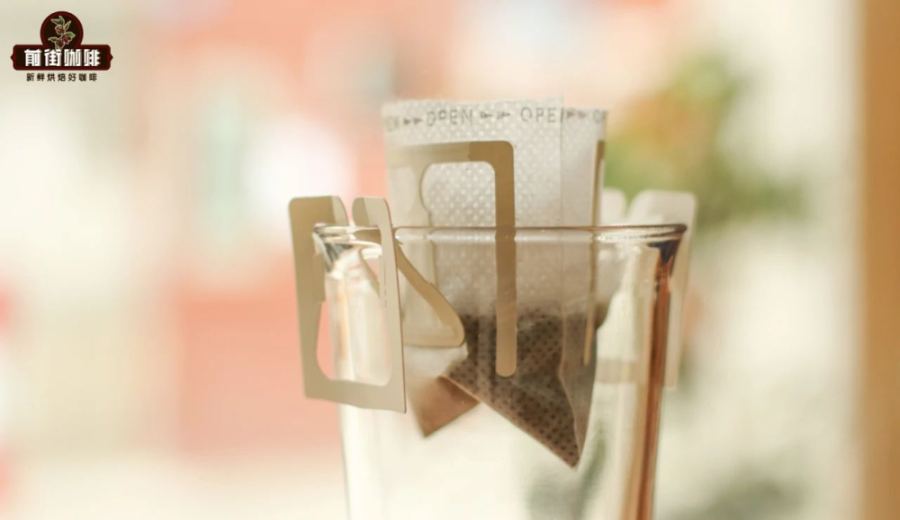
Introduction:Mandheling drip bag coffee, with its deep, rich flavor and distinctive herbal aroma, has become a top choice for many busy travelers and coffee enthusiasts. This article delves into how the characteristics of Sumatra’s Mandheling growing region and the wet-hulled processing method shape its flavor profile. It also provides a detailed guide on the optimal brewing parameters and steps for drip bags, along with recommendations for two classic drip bag products—allowing you to enjoy a professional-grade coffee experience at home with ease.
For frequent travelers or those who love to explore, enjoying freshly ground coffee during trips can be a challenge. Drip bag coffee offers a perfect balance of convenience and quality. Among the many drip bag flavors available, Mandheling stands out with its bold, full-bodied taste and unique herbal and woody notes, making it a favorite among those who prefer dark roasts and seek a rich, layered cup.
This article not only explores the origin of the flavors in Mandheling drip bag coffee and its regional background but also provides a step-by-step guide to the correct brewing techniques, enabling you to brew a cup close to the standard of professional pour over even while on the go. Additionally, we’ll recommend two classic and highly cost-effective Mandheling drip bag products from Sumatra, Indonesia, as references for your daily drinking or entry-level exploration.
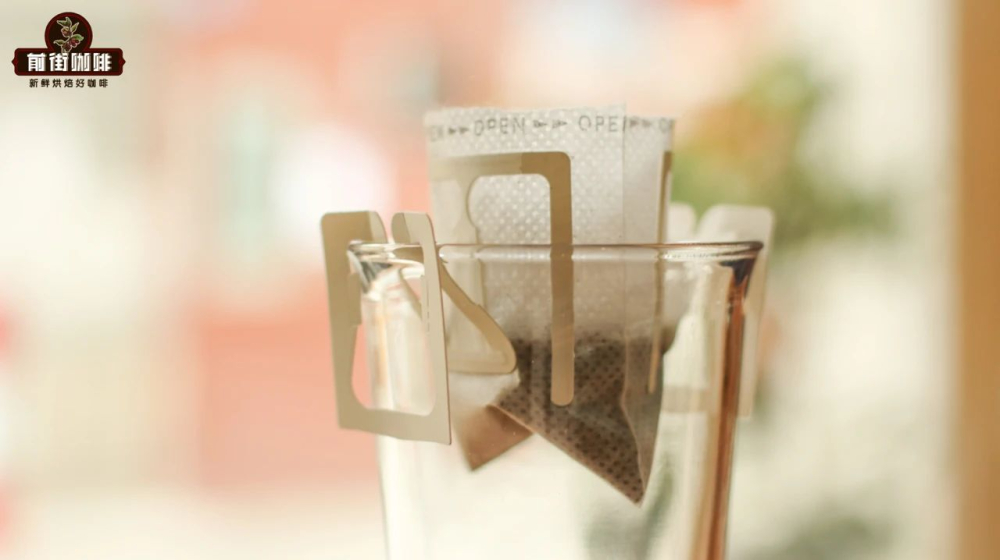
Drip bag coffee is a convenient option that lies between instant coffee and pour over. Compared to instant products, drip bags preserve more of the coffee’s original aroma and layered flavors, while also allowing you to adjust strength to your preference. In particular, Mandheling drip bags, with their full body and low acidity, are well-suited for those who enjoy dark roasts with spicy or chocolatey aftertastes.
When purchasing, it’s recommended to prioritize products with a fresh roast date and choose brands with good quality control and a stable supply chain. Generally, drip bags shipped within five days of roasting can retain the most volatile aromatic compounds, resulting in an elevated flavor performance.
Mandheling coffee beans are mainly grown on Indonesia’s Sumatra Island. The region’s humid climate, mountainous terrain, and the unique wet-hulled processing method contribute to Mandheling’s distinctive flavor profile. This method involves removing the outer parchment layer before the beans are fully dry, making them easier to dry but also accentuating intense herbal, woody, and earthy tones. With low acidity, high body, and a finish often marked by lasting spices or dark nutty sweetness.
If you want to experience the classic flavor profile of authentic Mandheling, it’s recommended to try drip bags that use dark roasting and the wet-hulled process. These Mandheling varieties typically exude strong aromas of spices, herbs, and pine, paired with sweet notes of chocolate and nuts—perfect for a daily pick-me-up or as a reliable office coffee.
Below are common flavor expressions of Mandheling drip bags, for your reference when selecting:
Common flavor characteristics include:Spices (such as clove, cardamom), herbal plants, dark chocolate, caramel sweetness, dark nuts (such as walnut, hazelnut), woody notes, low acidity, and full body.
When brewing Mandheling drip bag coffee, it’s recommended to use medium-high water temperature of about90~93°C, and adopt a1:15 coffee-to-water ratio(for example, 10 grams of coffee grounds to 150 milliliters of hot water), which can better bring out its full body and layered flavors. While the brewing steps are simple, mastering the details can significantly enhance the flavor experience.
The Mandheling drip bag coffee brewing steps are as follows:
1. Open the drip bag packaging, locate the “OPEN HERE” mark or dashed line, and carefully tear it open.
2. Open the wings on both sides of the drip bag and securely hang it on the rim of your cup, ensuring the filter paper fits snugly against the cup opening.
3. It’s recommended to use hot water that has just been boiled and then left to sit slightly, maintaining a temperature of about91°Cfor optimal extraction balance.
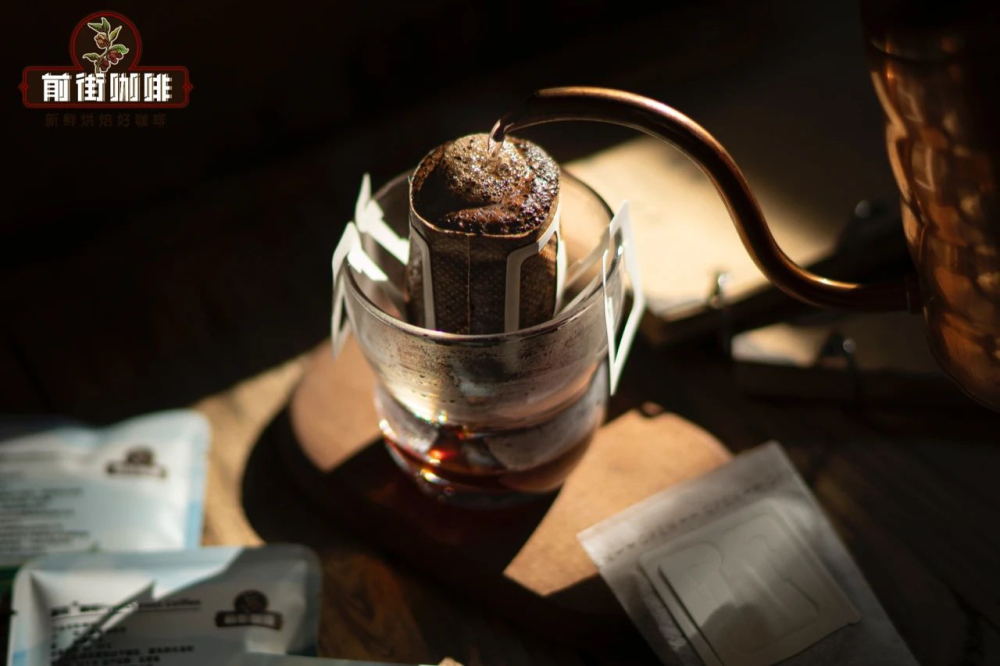
4. First, pour a small amount of hot water (about20 milliliters), using a circular motion to gently wet the coffee grounds, allowing them to bloom fully. Then let it rest for20 secondsfor the blooming phase.
5. Next, slowly pour the remaining hot water in a steady circular motion, keeping the total volume at150 milliliters. Be mindful to maintain a stable water flow and avoid directly hitting the edges of the filter paper.
6. Once all the water has dripped through, remove the drip bag. Depending on your taste, you can add milk or sugar to adjust the flavor.
With the above steps, even without professional pour over equipment, you can brew a Mandheling coffee with layers and a full-bodied flavor using the simple drip bag format.
If you’re looking for a cost-effective, flavor-authentic Mandheling drip bag, consider starting with classic products from Sumatra’s traditional growing regions in Indonesia. These products often use locally cultivated traditional varieties (such as Ateng or Teng TimTim), combined with high-altitude cultivation and the wet-hulled process, showcasing the region’s signature bold and steady characteristics.
Based on market feedback and roasting tests, Mandheling grown at elevations of1100~1600 metersin the Sumatra region usually features richer spice and nut notes, along with an impressively full body—making it highly suitable for daily drinking or as an introductory option.
The above content is compiled by CoffeeHunters, a coffee news website.


