








Introduction:Want to explore the world of low-temperature coffee brewing but can’t tell the difference between ice drip and cold brew? This article dives deep into the brewing principles, flavor profiles, and key differences between ice drip coffee and cold brew coffee. It also guides you on how to choose the right equipment, grind size, and brewing parameters, so you can easily enjoy a clean, rich low-temperature coffee experience at home.
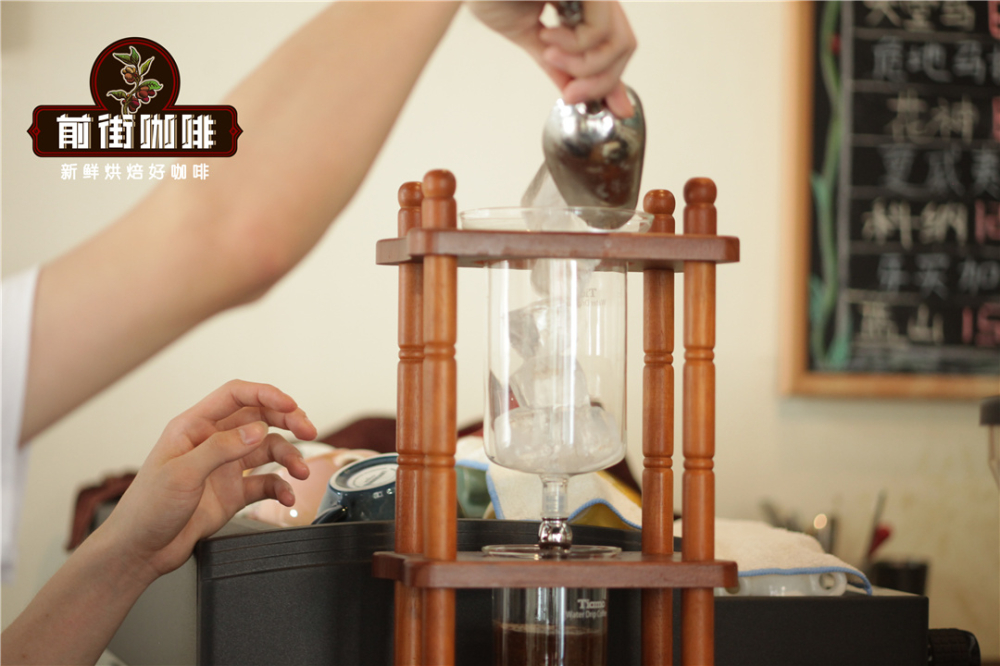
Ice drip coffee is a type of low-temperature, long-duration extraction. Its history can be traced back to Europe, where it was originally made using a distiller invented by the Dutch, hence it’s also called Dutch Coffee or water drip coffee. This method uses ice water dripping slowly through a bed of coffee grounds. The entire process usually takes about 5 to 8 hours, or even longer. Thanks to the natural osmotic water pressure created by condensation, the water drips drop by drop, evenly saturating the coffee grounds and extracting unique layers of flavor.
What makes ice drip coffee unique is that the low-temperature environment effectively suppresses the release of astringent compounds.Additionally, after brewing, it is often briefly refrigerated and allowed to ferment slightly, giving the coffee a subtle fermented aroma and a fuller body with a lingering aftertaste. Many coffee enthusiasts like to refrigerate it overnight, and when consumed the next day, not only is the flavor more concentrated, but it also provides a refreshing experience.

Compared to hot water brewing, since ice drip never involves heating, it can preserve more delicate aromatic molecules, and the coffee liquid contains relatively fewer irritants, making it gentler on the stomach—especially suitable for those who aren’t used to strong caffeine stimulation but still want to enjoy coffee flavors. Moreover,due to the absence of high-temperature extraction, the release of flavor compounds in the coffee is slower. As a result, under sealed refrigeration, the flavor may actually become more intense after 12 to 24 hours.However, it is recommended to finish it within 72 hours to maintain optimal quality.
As for cold brew coffee, it generally refers to coffee made by steeping coffee grounds in cold or below-room-temperature water for an extended period, then filtering. The prototype of this brewing method is said to have originated from the Dutch during coffee bean transport, when they developed a low-temperature brewing technique due to the lack of hot water on ships. Cold brew typically uses water around 20 to 22°C and requires a long steeping time, usually ranging from 12 to 48 hours—longer than ice drip.
Because of the lower water temperature, cold brew mainly extracts small-molecule flavor compounds, such as fruity and floral notes, while smoky, caramel, or dark roast-derived baked aromas are harder to develop. For this reason,cold brew coffee often has a richer, fuller mouthfeel, sometimes even resembling the body of an espresso.However, it can also retain more coffee grounds, so careful filtration is needed for a smooth drinking experience.
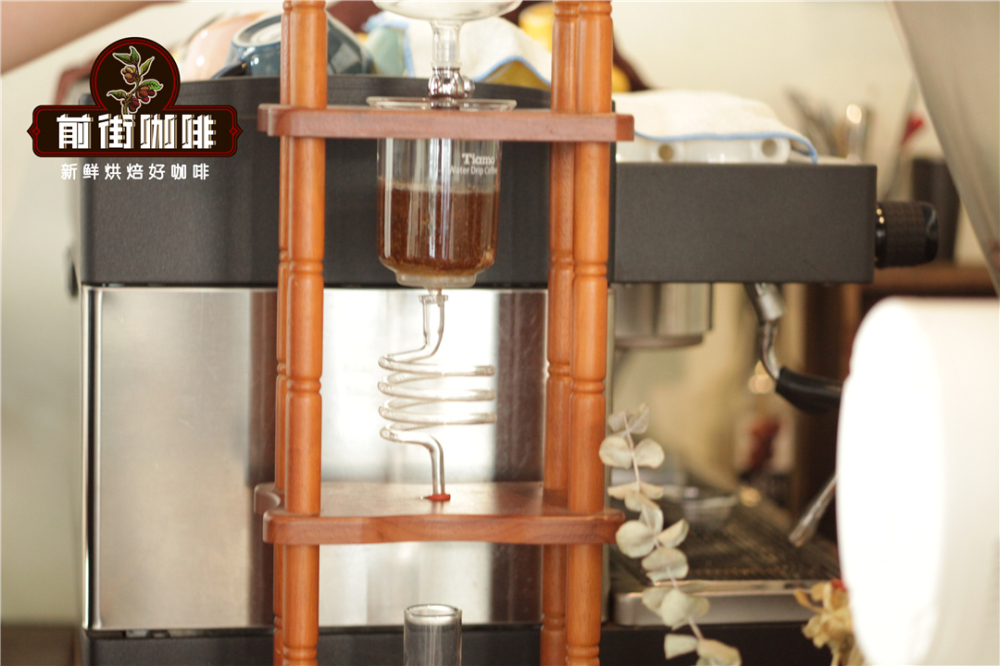
So, what exactly is the difference between ice drip and cold brew coffee? Simply put, ice drip is a “drip filtration” or “percolation” method, where gravity causes ice water to drip through the coffee grounds layer by layer, gradually extracting flavors. In contrast, cold brew is an “immersion” method, where coffee grounds and cold water are steeped together, allowing coffee components to naturally release. In terms of flavor, ice drip coffee is usually cleaner and more layered, with clear fruit and floral notes, balanced acidity and sweetness, and little bitterness. Cold brew tends to be richer and more intense, with a texture close to dark chocolate, but if not filtered finely enough, it may contain slight sediment.
When it comes to equipment selection, cold brew coffee is not very demanding—you can try any container that is sealable and easy to filter. Ice drip coffee, however, typically requires a specialized ice drip brewer to control the dripping speed and total extraction volume, which in turn affects the stability and refinement of the final flavor.
Many people often ask: why can ice drip coffee be stored for a longer time without spoiling? This is because the ice drip process does not involve high heat, and during the long extraction time, many flavor compounds have already been released but not fully diffused. Once the brewing is complete, sealing the coffee liquid and refrigerating it allows the gradually accumulating carbon dioxide pressure inside the bottle to continuously push out the flavors, making the ice drip coffee even more flavorful after 12 to 24 hours in the fridge. However,it is still recommended to consume it within 72 hours to ensure freshness and safety.This helps avoid quality degradation due to prolonged exposure to air or potential contamination from the container.
No matter whether you choose ice drip or cold brew,the freshness of the coffee beans is a key factor affecting flavor performance.Freshly roasted coffee beans (it’s recommended to choose beans roasted within 5 days) can showcase the richest aromas and layers, and after 4 to 7 days of resting, the flavors will reach their peak. If you’re buying coffee powder, it should be used as soon as possible, because ground coffee has a much larger surface area exposed to air, leading to faster oxidation and quicker flavor loss.
In summary, both ice drip and cold brew are excellent ways to explore the world of low-temperature brewing, each with its own unique characteristics. Ice drip excels with its bright, clean profile and delicate layers, making it ideal for those who enjoy fruity and nuanced flavors. Cold brew, on the other hand, shines with its rich, bold body and smooth texture, catering to those who prefer a heavier mouthfeel and black coffee flavors. With the right parameters and equipment, you can easily enjoy these two unique low-temperature coffee experiences at home.
The above content is compiled by CoffeeHunters, a coffee news website.


