







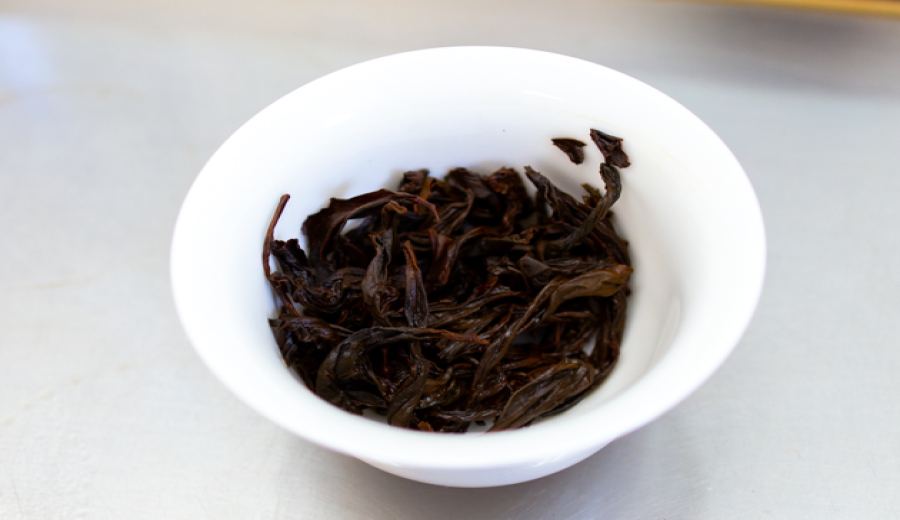
Introduction:This article provides an in-depth comparison of Tongmu Shuixian black tea and Zhengshan Xiaozhong, exploring their aroma profiles, production backgrounds, and regional differences. It explains why Shuixian variety black tea is so rare and offers insight into the historical roots and market status of Tongmu Pass black tea. From traditional smoked processing to the evolution of fruity black tea, from high-altitude tea gardens to market pricing logic, it helps you grasp the key points in identification and selection.
Tongmu Shuixian black tea comes from tea plantations at nearly 1,000 meters above sea level in Tongmu Pass, Wuyi Mountain, Fujian. Nestled in the high mountains with a serene environment, these tea gardens use natural farming methods, with tea trees averaging around 50 years old. The entire process avoids pesticides or chemical fertilizers, preserving the most authentic mountain terroir. Although it shares the same heritage as traditional Zhengshan Xiaozhong, it uses leaves from the Shuixian cultivar, giving it a completely different aromatic character — the tea liquor is rich and mellow, with a long aftertaste, intense fruity notes, and no smoky flavor, making it an extremely rare branch within Zhengshan Xiaozhong.
As the progenitor of world black tea, Zhengshan Xiaozhong has always been famed for its distinctive smoky aroma, derived from the traditional process of pine wood charcoal roasting. However, while Tongmu Shuixian black tea follows the basic processing steps of Zhengshan Xiaozhong — including withering, rolling, fermentation, and drying — it uses fresh leaves from the Shuixian cultivar and skips the smoking process, resulting in a flavor profile dominated by fruity notes. Its aroma layers are rich, often featuring sweet potato sweetness, peachy tones, and even subtle hints of dried mango and longan. Overall, it presents a smooth and lingering taste experience.
Notably, Zhengshan Xiaozhong can be divided into two main styles based on processing and flavor: one features a distinct smoky note, where the tea leaves are roasted with pine wood charcoal during the drying phase, imparting a strong resinous and woody aroma to the liquor; the other showcases pure fruity notes, such as peach or tropical fruit, entirely free from smoke interference — Tongmu Shuixian black tea falls into this category. In fact, historical records indicate that smoke-free Zhengshan Xiaozhong existed well before the 19th century and even inspired the creation of Earl Grey tea in Britain — at the time, the British were drawn to its tropical fruit-like aroma, which led to the development of the classic bergamot-infused Earl Grey blend.
The Shuixian cultivar, a classic variety among Wuyi rock teas, is known for its mellow body and long-lasting aftertaste. However, its aroma tends to be more understated, requiring precise tea-making techniques to fully unlock its potential. Currently, in the Tongmu Pass tea region, the planting ratio of the Shuixian cultivar is less than 1%, making its yield extremely limited. As a result, black tea made from Shuixian fresh leaves is an even scarcer resource. Before the 1970s, many farmers in Tongmu Pass still cultivated Shuixian, but due to shifting market preferences toward strongly aromatic teas, the relatively muted fermentation aroma of Shuixian compared to other cultivars, and persistently low tea prices, many switched to growing more economically valuable moso bamboo, leading to a sharp decline in Shuixian cultivation.
In terms of tea-making techniques, both Tongmu Shuixian black tea and Zhengshan Xiaozhong follow the traditional black tea process: freshly picked leaves undergo moderate withering to allow even moisture evaporation, followed by rolling to break down cell structures and promote fermentation. Then comes the crucial fermentation stage, where polyphenols in the leaves convert into theaflavins and thearubigins, giving black tea its characteristic color and flavor. Once fermentation is complete, it must be timely halted and the leaves dried using appropriate methods, with some products also undergoing charcoal roasting. Among these, charcoal roasting is a classic technique for Zhengshan Xiaozhong — leaves are baked with charcoal at around 100°C for approximately six hours. The high heat penetrates deep into the tea core, unlocking intense sweetness and fruity notes, along with a unique woody tone. However, charcoal roasting demands strict temperature control, as even slight overheating may cause scorching. As a result, many modern tea makers have shifted to hot-air roasting, though differences in liquor clarity and flavor layering remain between the two methods.
In terms of aroma, Tongmu Shuixian black tea displays a rich spectrum of sweet tones. Common flavor notes include the gentle sweetness of sweet potato, the fresh fruitiness of peaches, and occasionally the tropical vibe of mango or the dry aroma of longan. The overall flavor is well-balanced with a long-lasting aftertaste. For consumers eager to personally experience the unique charm of this tea, some brands offer Tongmu Shuixian black tea as a highly representative option, clearly showcasing the aforementioned aromatic elements.
Regarding pricing, due to the extremely limited production of Tongmu Shuixian black tea — accounting for less than 1% of total Tongmu Pass black tea output — combined with factors such as the mature age of tea trees, limited planting area, and the complexity of production including traditional charcoal roasting, its market price is relatively high.Generally speaking, authentic Tongmu Shuixian black tea ranges in price from several thousand to tens of thousands of New Taiwan Dollars per jin.The actual pricing may vary depending on the harvest year, grade, and the specifics of the tea maker’s technique. Consumers are advised to look beyond price and pay attention to the tea’s origin, production process, and flavor description when making a purchase, to ensure they acquire high-quality black tea that meets their expectations.
The above content is compiled by CoffeeHunters, a coffee news website.


