







Introduction:As the progenitor of black tea in the world, Lapsang Souchong is often praised for its sweet fruity aroma. However, when it comes to actual tasting, many tea enthusiasts are surprised by its smoky flavor. Where does the sweet fruitiness come from? Why do some versions exhibit a strong smokiness? This article will take you on an in-depth exploration of the three main flavor profiles of Lapsang Souchong, analyze the origins of its sweet fruity notes, and introduce the smoke-free and fruit-forward Lapsang Souchong Qizhong variety, helping you choose the tea that best suits your taste preferences.
Lapsang Souchong, renowned as the origin of black tea, is often described as a tea with captivating sweet fruitiness. However, many tea drinkers, upon their first taste, find the intense smoky aroma overwhelming the fruitiness, contrary to their expectations. In reality, with the evolution of tea production techniques, Lapsang Souchong produced in Tongmuguan today can generally be divided into three distinct styles: one that retains both smoky and fruity notes, another where smokiness blends with woody undertones, and a third that is entirely smoke-free, showcasing pure fruity characteristics.
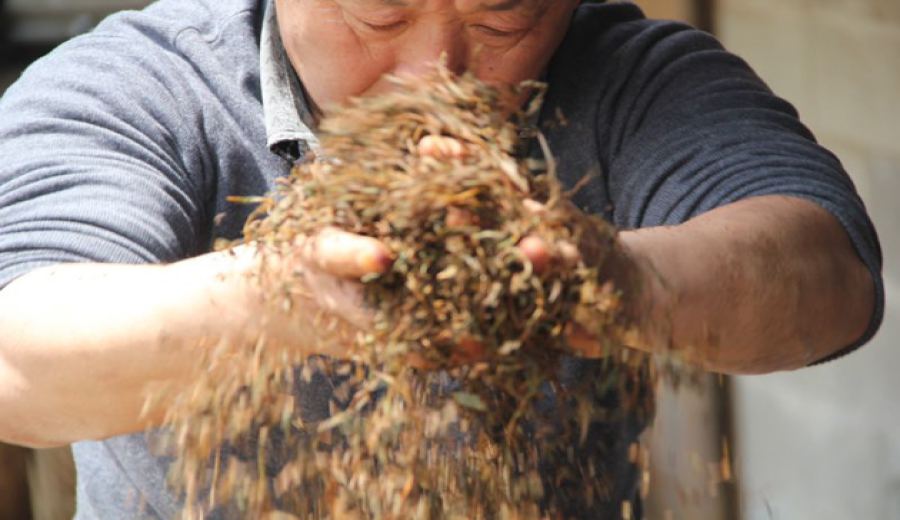
The reason early Lapsang Souchong often had a smoky flavor was primarily due to the cold spring climate in Tongmuguan. Since ancient times, tea farmers have used heat generated by burning pine wood such as Masson pine to dry the tea leaves. This traditional method not only helps remove excess moisture but also imparts a unique smoky complexity to the tea. At the same time, the locally indigenous “Qizhong” tea plant naturally exudes a rich fruity aroma due to its varietal traits. With proper fermentation control, whether smoked or not, it can express a fruity sweetness.
Currently, the Lapsang Souchong available on the market can be roughly categorized into three main types based on the expression of smokiness and fruitiness. The first type is the traditional style that features both smokiness and fruity notes. These teas have delicate pine smoke aromas blended with clear sweet fruit flavors, representing the classic profile cherished by many seasoned tea drinkers. The second type combines smokiness with woody notes. Its characteristic lies in a longer fermentation process during production, with the tea leaves being dried solely using the heat from burning pine wood, resulting in deep brown leaf color and a tea soup that reveals noticeable woody and hay-like aromas.
The third type, which has gained increasing popularity in recent years, is the smoke-free variant that completely eliminates the pine-smoking drying step, preserving the tea’s most original fruity essence. This version of Lapsang Souchong Qizhong, made from the local indigenous Qizhong tea leaves of Tongmuguan, not only avoids any smoky interference but also fully showcases sweet fruit nuances reminiscent of peaches, nectarines, and even mangoes. Coupled with old-tree tea leaves and cultivation through natural farming methods, it delivers a refined and long-lasting aftertaste.
It is worth noting that in some overseas markets, such as Japan, Lapsang Souchong is sometimes found with less pronounced fruitiness. This is often due to the use of “outer mountain Souchong” tea leaves from outside the core Tongmuguan production area, or because fermentation was not properly halted during processing, causing the fruitiness to be masked by over-fermentation. Additionally, even with Qizhong tea leaves, if fermentation is not controlled, the flavor may shift toward a woody-dominant style similar to the second type, losing the fresh fruity notes it should inherently possess.
For tea lovers who prefer pure, clean fruitiness, the smoke-free Lapsang Souchong Qizhong is the top choice. These teas are produced without smoking, resulting in a clear and bright tea soup. Upon tasting, one can immediately enjoy a rich burst of fruit aromas, with a long and layered finish. They are suitable for brewing in a gaiwan or Yixing clay teapot, with a recommended water temperature of around 90–95°C. Steeping time can be adjusted according to personal taste, typically starting at about 3–5 seconds for the first infusion, and gradually extending based on the strength of the brew.
In summary, the diverse flavors of Lapsang Souchong stem from the interplay of regional climate, traditional craftsmanship, and tea plant varieties. Whether you prefer the classic style with a delicate intertwining of smokiness and fruitiness, or the modern smoke-free pure fruit profile, understanding these three main types and their characteristics will help you select your ideal tea more precisely and savor the true charm of Lapsang Souchong.
The above content is compiled by CoffeeHunters, a coffee news website.


