







Category: Coffee Knowledge

Guide to Cold Brew with Dark Roast Beans: Low-Temperature Extraction Techniques and Flavor Analysis of Golden Mandheling
Want to enjoy cold brew on a hot summer day but worried about dark roast beans turning out overly bitter or watery? This tutorial, focusing on Golden Mandheling, will help you master the key parameter adjustments for cold pour-over — from the coarse grind size suitable for dark roasts, low water temperature control, to the golden ratio of ice to water. We break down the practical details of each step, teaching you how to avoid common pitfalls and consistently brew rich, smooth cold brew flavors without astringency. [more…]
What to do if your pour over coffee bed is too high? Exploring the relationship between height and uneven extraction
Have you ever encountered a situation where the coffee bed rises during pour over brewing, but you're unsure of the cause or impact? The height of the coffee bed can significantly alter water distribution and coffee extraction efficiency. This article dives deep into the definition of the coffee bed, how an overly high bed forms, and its connection to under-extraction—helping you master more precise pour over techniques and elevate the quality of every cup. [more…]
A Detailed Guide to the V60 Pour Over Coffee Three-Stage Pouring Method: Mastering Segment Techniques to Enhance Flavor Layers
The release of flavors in pour over coffee is closely related to pouring techniques, and among them, the three-stage brewing method using the V60 dripper is the most classic and practical technique. Many coffee enthusiasts often struggle with how to accurately segment the pour, control the water volume and timing for each stage. This article provides an in-depth analysis of the core logic behind the V60 three-stage brewing method. Starting from the principles of pouring, it explains in detail the purpose of each stage, water distribution, and practical rhythm, while also incorporating real-world experience to offer key points for stable extraction. This will help you precisely master your pour over skills. [more…]
A Complete Guide to Adjusting Espresso Grind Size | Practical Tips for Judging Grinder Fineness from Extraction Time
Are you always facing issues like unstable extraction, abnormal flow rate, or unbalanced flavor when adjusting your espresso? The key actually lies in the fine control of grind size. This article will take you deep into how to find the most suitable grind range for each coffee bean based on extraction time, coffee-to-water ratio, and coffee flavor. We also provide specific fine-tuning methods and practical advice to help you stably extract a balanced and flavorful espresso. [more…]
A Comprehensive Guide to Pour Over Coffee Extraction: Diagnosing Under-Extraction, Over-Extraction & Adjusting Parameters Based on Flavor
To brew a pour over coffee with balanced flavor, understanding the extraction state is key. This article starts with three extraction states—under-extracted, over-extracted, and ideally extracted—and teaches you how to quickly identify issues through flavor profile, coffee bed condition, and brew time. It also provides practical parameter adjustment tips for common problems like light roasts, dark roasts, and excessive fine particles, helping you easily optimize every pour over brew. [more…]
Complete Guide to Making Milk Foam with a French Press: Techniques for Hot & Cold Foam & Beginner’s Latte Art Tutorial
Can you make creamy milk foam at home even without an espresso machine? The answer is yes — all it takes is an affordable French press. Not only can it easily produce hot milk foam, but it’s also great for making cold foam, making it a handy tool for coffee lovers at home. This article will delve into the origins, structure, and working principles of the French press, and provide detailed steps for making both hot and cold milk foam. It also shares latte art tips and usage precautions to help you master this practical skill from scratch. [more…]
How to Improve Messy Latte Art Surfaces? A Breakdown of Pouring Techniques and Full Latte Art Steps
Many coffee enthusiasts often encounter the issue of the milk surface becoming murky before the latte art pattern can take shape during practice. In fact, the key to achieving clear and distinct latte art lies in the correctness and finesse of the pouring (fusion) technique. This article delves into how to master the pouring method, analyzes common reasons for a dirty milk surface, and provides a comprehensive guide to every step from milk frothing to pattern formation. With practical experience shared, it helps you create beautiful and high-contrast latte art at home. [more…]
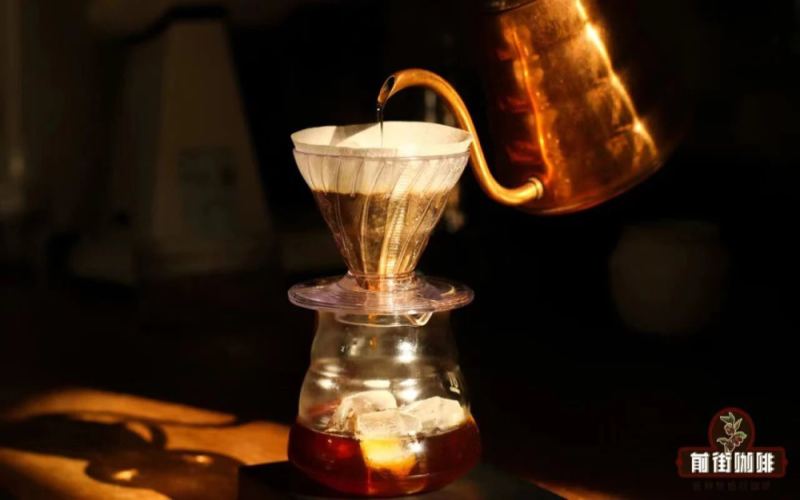
The Ultimate Guide to Ice Pour Over Coffee Ratios: Practical Tests on Ice Selection and Coffee-to-Water-to-Ice Ratios
On hot summer days, you want to brew a refreshing cup of ice pour over coffee at home, but always struggle with getting the right amount of ice? This article delves into the two main functions of ice in ice pour over—cooling and dilution—and analyzes the golden ratio between coffee grounds, water, and ice. Through practical experiments comparing aged ice and fresh ice, we’ll help you understand how different types of ice affect coffee strength and flavor. Master these details and easily brew ice pour over coffee with the perfect concentration and excellent chilling effect. [more…]
How to Choose a Pour Over Coffee Filter Paper? Complete Guide to Folding & Wetting Methods to Enhance Extraction Flavor
The flavor performance of pour over coffee often lies in those easily overlooked details, such as the choice of filter paper, how it's folded, and whether it is pre-wetted. These seemingly minor steps actually have a significant impact on the coffee’s purity and mouthfeel. This article will deeply analyze the differences between unbleached and bleached filter papers, guide you in correctly selecting the appropriate type of filter, and provide detailed folding and wetting techniques to help you steadily improve the quality of every cup of pour over coffee. [more…]
Complete Guide to Italian Coffee Categories: Understand Everything from the Espresso Trio to Milk-Based Specialties
Not sure what to order when it comes to Italian coffee? This article will take you deep into the world of Italian coffee, starting with the classic Espresso Trio (Espresso, Ristretto, Lungo), then explaining the differences between black coffees like Americano and Long Black. Next, we’ll detail the ratios and flavor profiles of milk-based coffees such as Latte, Cappuccino, and Macchiato. Finally, we’ll explore the unique charm of specialties like Mocha and Affogato. Mastering this knowledge will help you order with more confidence at coffee shops and also [more…]
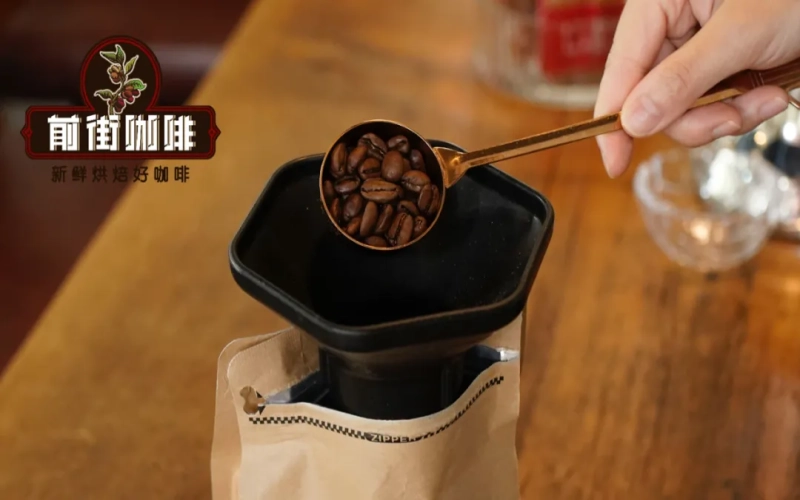
AeroPress Complete Guide: Structure Principles, Inverted Brewing Method & Papua New Guinea Bean Recipe
Although it resembles a syringe in appearance, the AeroPress is a unique coffee brewing device with its own international competition and a method that combines immersion and pressure extraction. Invented in 2005 by Stanford mechanical engineer Alan Adler, its design is compact and suitable for a variety of beans and grind sizes. This article starts with the story behind its invention, takes an in-depth look at the differences between regular and inverted brewing, guides you through a more stable inverted operation process, and provides a 1:16 coffee-to-water ratio using a medium-roast Papua New Guinea Bird of Paradise bean. [more…]
Coffee Bean Resting Period and Flavor Development: A Complete Beginner’s Guide to Pour Over
Should you let your freshly bought coffee beans rest before brewing? What exactly is “resting” the beans about? This article dives deep into the science behind resting freshly roasted coffee beans — from carbon dioxide release to flavor expression — explaining why waiting is essential, how long is ideal, and how to quickly assess bean freshness through bloom. Whether you’re brewing with pour over or espresso, learn the key to elevating your coffee’s flavor. [more…]
Advanced Latte Art Techniques: A Complete Guide to Pouring Hearts, Layered Hearts, Leaves, Tulips, and Swans
Want to create professional latte art patterns at home that rival those in cafés? This tutorial takes you from basics to advanced skills, teaching you the key techniques for five classic latte art designs: hearts, layered hearts, leaves, tulips, and swans. Every detail—from milk foam texture and pouring integration, to pouring angle and jug return timing—is broken down step by step. Whether you're a beginner or more experienced, you'll find ways to improve and make your latte art more effortless and precise. [more…]
Analysis of Pre-Infusion Techniques for Espresso | A Key Step to Improve Extraction Stability and Flavor
During espresso extraction, pre-infusion is an often overlooked yet extremely important step. By lightly or non-pressurizedly pre-wetting the coffee grounds, it can effectively address issues such as carbon dioxide release and channeling, resulting in a more stable flow rate and richer flavor layers. This article will delve into the principles, practical methods, and recommended parameter adjustments for pre-infusion. It also includes a comparative analysis of extraction with and without pre-infusion through actual examples, helping you achieve more precise control over your espresso output. [more…]
How to Choose a Pour Over Dripper? Master Material, Structure, and Flow Rate Control in One Go
Choosing the right pour over dripper is crucial for brewing coffee with your desired flavor profile. Differences in the shape, rib design, filter hole configuration, and material of each dripper will directly affect the flow rate and temperature control during brewing. This article will deeply analyze the various structural features of drippers and explain how to choose the one that best suits your brewing habits based on these designs—helping you master the core of brewing from the ground up and make better-tasting coffee. [more…]
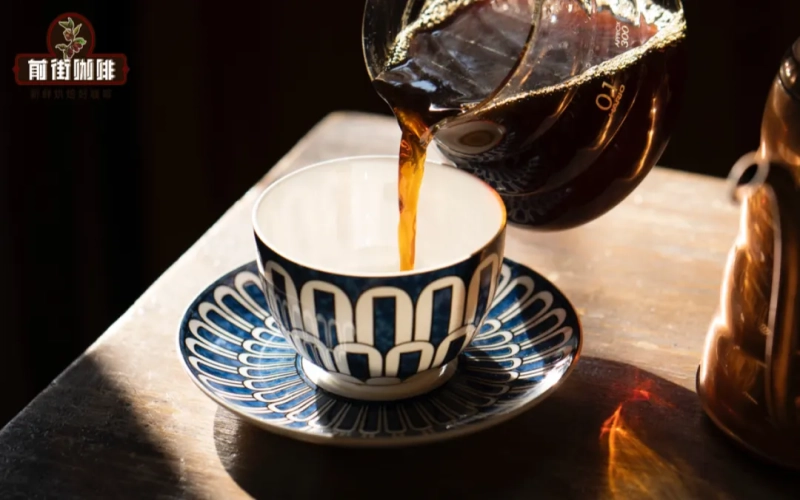
A Practical Test of Four Types of Drinking Water for Cold Brew: Which Water Quality Enhances Coffee Flavor Better?
Due to the low-temperature extraction characteristics of cold brew, its flavor performance is closely related to water quality. This article conducts practical cold brew coffee brewing using four common types of drinking water—Baishui Mountain, Nongfu Spring, Jingtian, and Yibao—to analyze TDS values, concentration levels, and actual flavor profiles. The goal is to identify the most suitable water quality combination and provide practical advice on selecting brewing water based on taste preferences. [more…]

Luckin Coffee store fined 5,000 RMB for selling mochi without pre-packaged labels Regulatory analysis under food safety laws
A Luckin Coffee outlet in Shanghai was fined 5,000 RMB by the city’s market supervision bureau after staff removed the outer packaging labels of pre-packaged food “mini mochi” without customer consent. Although the product in question was sold for only 6.9 RMB and the illegal gain was just 2.67 RMB, this act violated mandatory regulations in the Food Safety Law regarding labeling of pre-packaged foods. This article details the incident, the legal basis involved, and explains the importance of pre-packaged labels to consumer right to know—offering insights that both businesses and consumers need to note. [more…]

A pour over coffee in Wenling, Zhejiang is priced as high as 3,888 RMB!An analysis of the rarity and flavor of BOP auction lot beans
How can a cup of pour over coffee cost nearly 4,000 RMB? A sky-high-priced pour over coffee launched by a coffee shop in Wenling, Zhejiang has sparked heated discussion online, with the most expensive cup priced at 3,888 RMB and requiring advance reservation. What makes these coffees so exceptional? It turns out they all use Panamanian BOP auction lot beans — top-tier specialty coffee from around the world, known for their unique flavors and ultimate quality. This article will take you deep into the origins of these auction lot beans, their value, and why they command such high prices. [more…]
Why does Panamanian Geisha coffee dominate the world? The perfect convergence of terroir and variety
Panamanian Geisha coffee has become a leader in the specialty coffee world thanks to its unique floral and fruity aromas and delicate acidity. This article will take you on a journey from the original forests of Ethiopia to the Boquete Valley in Panama, exploring how the Esmeralda Estate discovered its potential and how the local terroir nurtures its unforgettable coffee flavors—helping you gain a deeper understanding of the charm of this top-tier coffee bean. [more…]
Why is SOE single-origin espresso often more acidic? Analyzing the roasting and flavor differences between SOE and Italian blends
Have you ever wondered why many SOEs (single-origin espresso) often have a noticeable acidic taste upon drinking? This is closely related to the use of single-origin beans and specific roasting methods. This article will thoroughly dissect the fundamental differences between SOE and traditional Italian blends, tracing the historical context from the rise of blends after World War II to the return of single-origin coffees in specialty coffee, and using the 2007 WBC competition as a turning point to analyze the core reason behind the acidity of SOEs—how roast level affects acidity expression. [more…]