








Introduction:Can you make creamy milk foam at home even without an espresso machine? The answer is yes!With just an affordable French press, you can easily create hot milk foam and it’s also suitable for making cold milk foam—making it a handy tool for coffee lovers at home. This article will delve into the origins, structure, and working principles of the French press, and provide detailed steps for making both hot and cold milk foam. It will also share latte art tips and usage precautions to help you master this practical skill from scratch.
Want to easily make café-quality creamy milk foam at home without an espresso machine? Don’t worry—actually, with just a French press that costs around twenty yuan, you can achieve this goal. Not only can it make hot milk foam, but the French press can also be used to whip up cold milk foam, making it a secret weapon for many home coffee enthusiasts. This article will guide you from the basics of the French press, understanding its history and design principles, then dive into how to use it to make both hot and cold milk foam, and even try simple latte art, while reminding you of potential issues you might encounter during use.

A customer once asked in a café: “Boss, is there any tool that can make hot milk foam without an espresso machine?” The shop owner smiled and replied: “Try a twenty-yuan French press—it even comes with a little spoon!” The customer looked surprised: “What?” That’s right, this seemingly simple French press can indeed help you make milk foam at home.
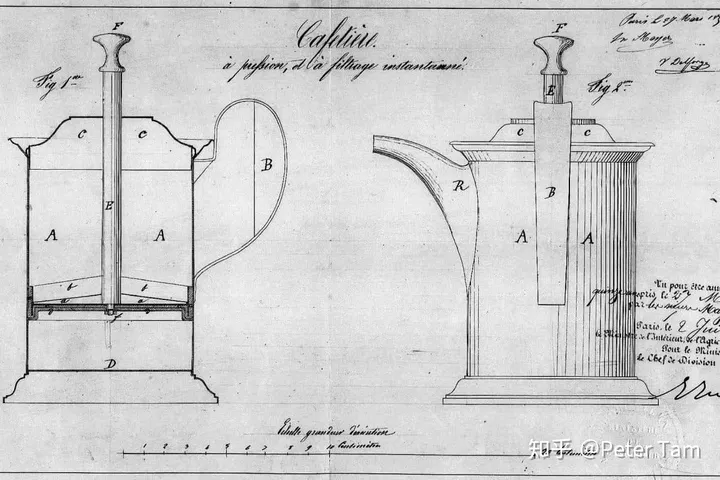
Speaking of the French press, it is also known as a French filter press. According to James Hoffmann, author of the well-known coffee book The World Atlas of Coffee, the prototype of the French press can be traced back to France in the 1850s, when a “piston-filtered coffee device” designed by two Frenchmen, Mayer and Delforge, was successfully patented and later marketed as the French press. However, its initial sales were not impressive, mainly because when pouring out the coffee, if the plunger wasn’t held steady to keep the filter level, the filter could tilt due to the shift in center of gravity, allowing fine coffee grounds to seep through tiny gaps into the cup, affecting the taste and often leaving people with a mouthful of coffee grounds.

Today, the French press has been improved and is widely used for pour over-style coffee brewing, but its uses go beyond that. With a bit of adaptation, it can also become a tool for making milk foam. Whether it’s hot or chilled fresh milk, as long as you master the correct pumping rhythm and timing, you can use the French press to produce decent-quality milk foam.
Particularly, the French press is not only good at handling hot milk foam but can also be used to make cold milk foam. This is undoubtedly great news for coffee lovers who enjoy making iced coffee or want to create specialty drinks. However, during the up-and-down pumping process, because it requires relatively more force and repeated operation, some users have reported that it’s “a bit hand-tiring,” so it’s recommended to use an anti-slip mat or choose a model with a comfortable grip to reduce hand strain during use.
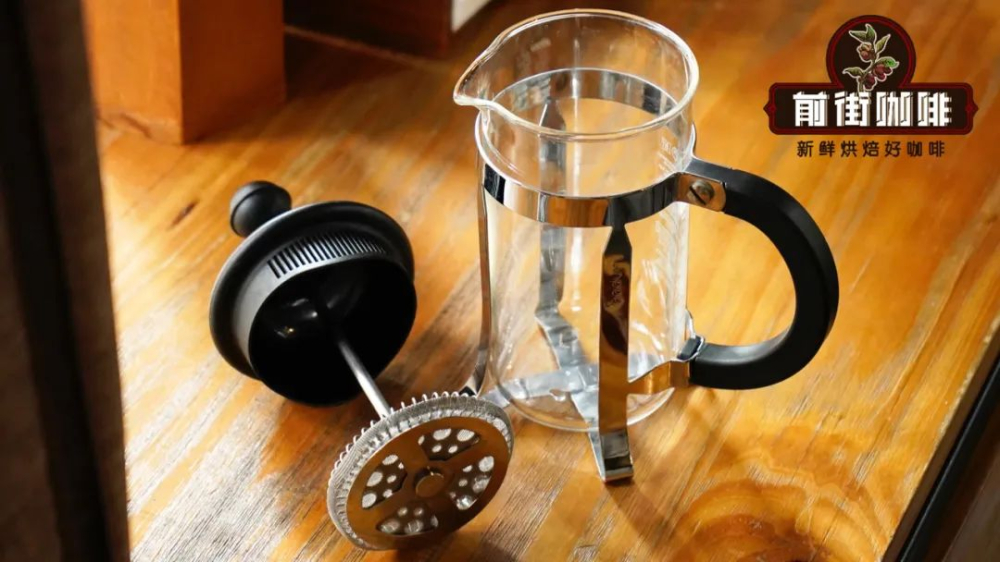
Before diving into how the French press makes milk foam, let’s first get to know its basic structure and operating principle. The French press mainly consists of a metal or glass carafe, a metal filter, and a plunger. When you put coarse-ground coffee powder (or milk) into the carafe, insert the filter and plunger, and then apply slow and even downward pressure, it effectively separates the liquid from the solids, achieving either filtration or frothing.
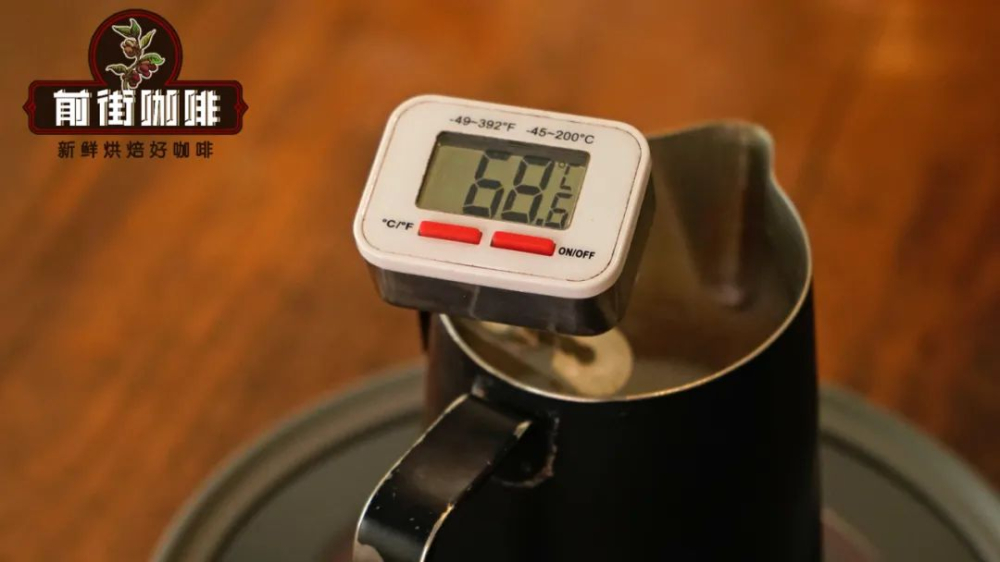
When making milk foam, it’s recommended to use fresh whole milk, and temperature control is key. For hot milk foam, it’s generally advised to heat the milk to about 60–65°C, as this temperature range helps create fine and stable foam; for cold milk foam, simply use chilled milk without heating. This method is relatively simpler, but requires more effort in pumping to achieve a similar fluffy effect. Whether making hot or cold foam, the number of pumps usually falls between 15–25 times, depending on the amount of milk and the desired foam density.
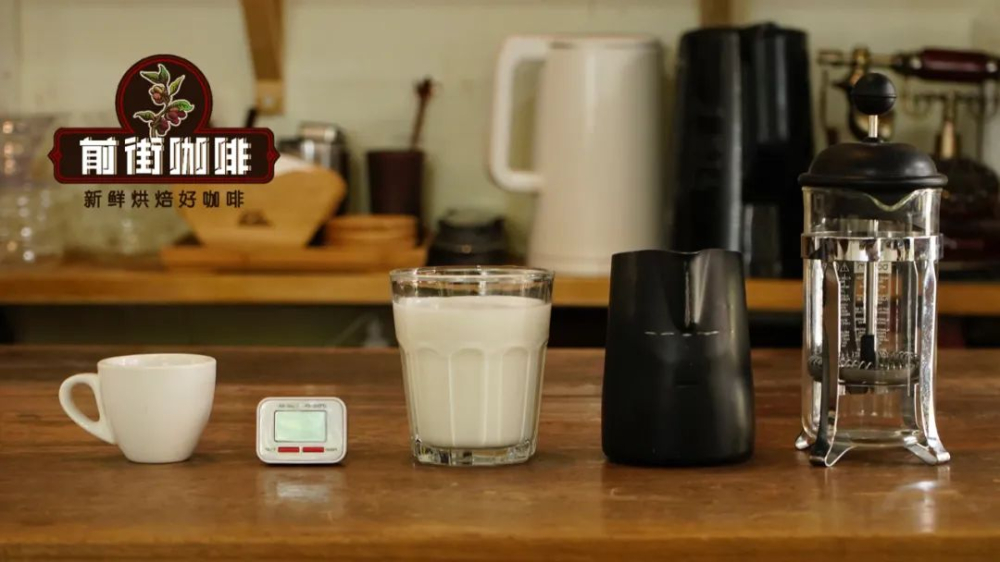
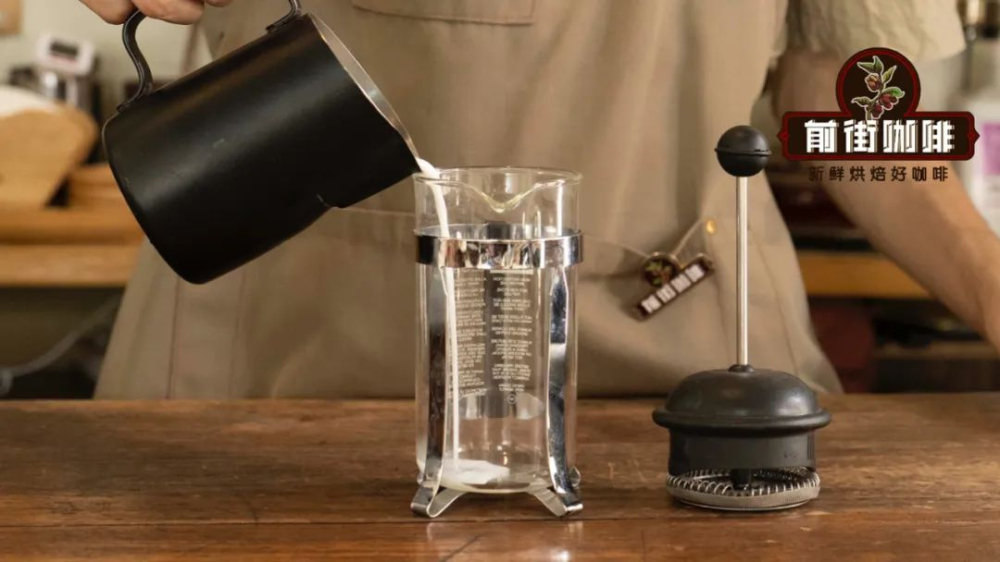
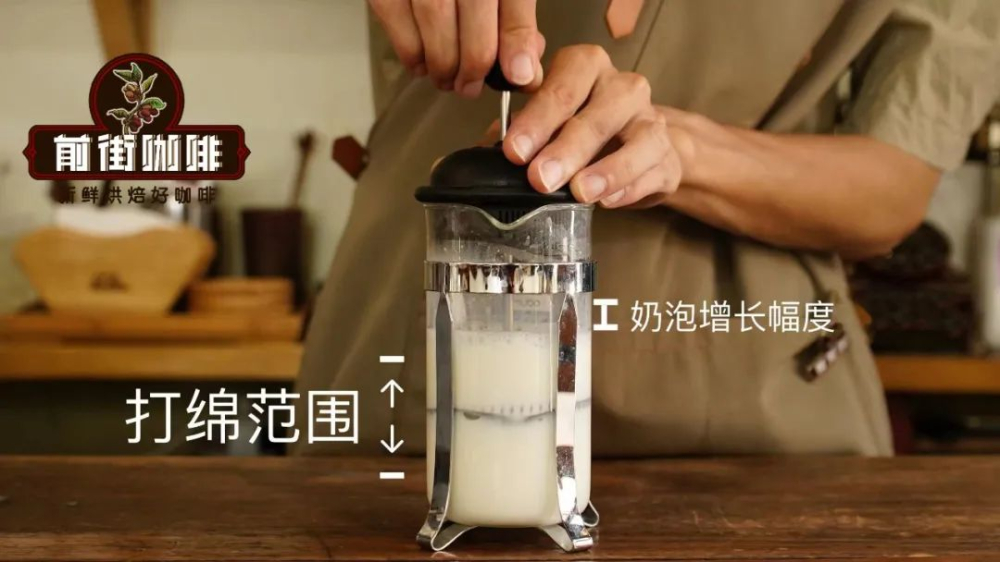
In practice, it’s recommended to first pour milk into the French press to an appropriate level (about 1/3 to 1/2 of the carafe), tightly seal the lid, and then begin the up-and-down pumping. The key is to maintain a steady rhythm and avoid using too much force, which could cause the milk to splash or overheat. When pulling up the plunger, release it slowly to allow air to mix moderately into the milk, helping to form fine bubbles. Repeat this process until the milk foam reaches your desired thickness.
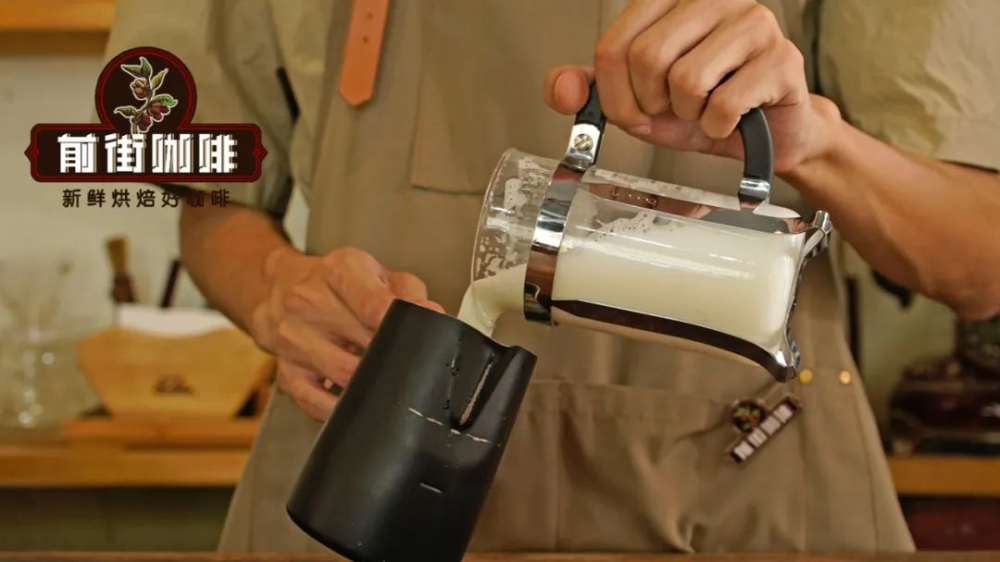
The successfully whipped milk foam can be used to make classic coffee drinks such as lattes and cappuccinos, and you can even try simple latte art. Although the milk foam made with a French press may be slightly less fine and stable compared to that from a professional milk frother, with the right technique, you can still create simple patterns like hearts or leaves, adding visual appeal to your drink.
It’s worth noting that since the French press is not originally designed for frothing milk, extra care should be taken to clean it during use to avoid milk residue affecting future use. Additionally, if you perform a lot of pumping over a long period, your wrist may feel sore. It’s recommended to take breaks as needed or use auxiliary tools to protect your hand health.
The above content is compiled by CoffeeHunters, a coffee news website.


