








Introduction:During espresso extraction, pre-infusion is a frequently overlooked yet extremely important step. By gently wetting the coffee grounds with low or no pressure, it effectively addresses issues such as carbon dioxide release and channeling, leading to more stable flow rates and richer flavor profiles. This article will delve into the principles, practical methods, and recommended parameter adjustments for pre-infusion, and compare the differences between pre-infused and non-pre-infused extractions through real-world examples to help you better master the quality of your espresso output.
In the pour over process, the bloom is a crucial step before extraction begins, helping to release carbon dioxide and awaken the coffee's flavors. So, when we turn to high-pressure espresso extraction, is a similar preparatory step needed? The answer is “pre-infusion.”
Pre-infusion refers to the process of allowing hot water to evenly penetrate the coffee bed at low or no pressure before the official high-pressure extraction, achieving both wetting and pre-degassing effects. Although not a standard feature on all espresso machines, this step holds significant value in improving the stability and flavor performance of espresso.

Traditional espresso extraction is typically carried out under high pressure of up to 9 bars, where hot water quickly passes through the coffee puck, extracting soluble flavors. However, if water is allowed to initially permeate at lower pressure before formal extraction—via pre-infusion—it helps to uniformly saturate the coffee bed and reduce uneven extraction caused by channeling.
The specific operation of pre-infusion varies depending on the espresso machine model. Some high-end machines, such as those in the Lelit Bianca series, allow direct adjustment of pre-infusion pressure and time via physical dials or buttons on the machine, while others require the barista to manually control the water valve and pressure output. Therefore, understanding your equipment’s capabilities is the first step toward effective pre-infusion.
There is no universal standard for the duration of pre-infusion or whether pressure should be applied; adjustments are usually made based on the roast level of the beans, their rest state, and the desired extraction goals. For example, when using “freshly roasted” beans that have just completed roasting and contain a large amount of active carbon dioxide, inadequate degassing may not only result in coarse and crumbly crema but also affect flavor expression, leading to espresso that tastes overly sour, thin, or even unpleasantly bitter.
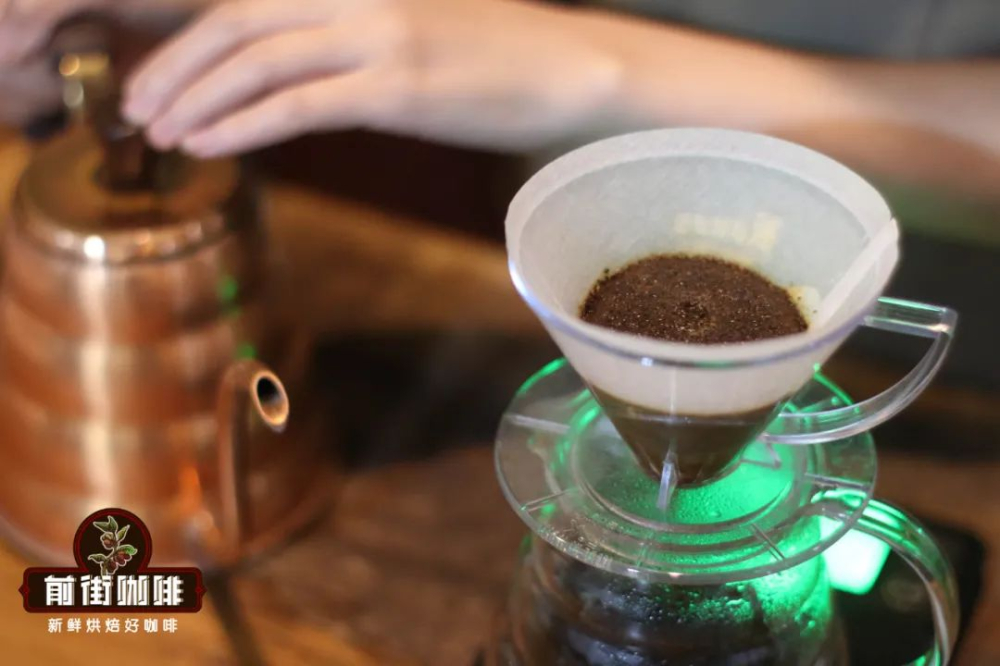
In such cases, pre-infusion can serve as a “degassing buffer.” By pre-wetting the coffee with low pressure, carbon dioxide is gradually released, helping to stabilize the subsequent extraction process, resulting in finer and denser crema and more focused flavors. A blend used by a certain café, called Nuanyang Blend, serves as an example: when the beans are used shortly after roasting without pre-infusion, they often exhibit noticeable sourness and lack of harmony. After applying appropriate pre-infusion adjustments, not only was the flow rate more stable, but the flavor complexity was also significantly enhanced.
In addition, pre-infusion can effectively reduce the occurrence of channeling. When coffee grounds are not evenly tamped, high-pressure water tends to break through looser areas in the puck, causing over-extraction in some zones and under-extraction in others. Pre-wetting the coffee grounds with low pressure allows coffee particles to absorb water and expand, making the puck more compact and ensuring more uniform water distribution, thereby improving overall extraction stability and consistency.
Here is a real-world case study: Using the same Nuanyang Blend coffee beans (rested for 22 days), and the Lelit Bianca V3—which features manual pre-infusion—we conducted extraction tests with and without pre-infusion. The non-pre-infused group used the following parameters: 20 grams of coffee, first drip at the 6-second mark, total yield of 38 grams, total time of 27 seconds. The latter part of the extraction showed a faster flow rate. The resulting espresso had fluffy but slightly rough crema, with flavors primarily of nuts, citrus acidity, and vanilla, a caramel-like aftertaste, overall balanced but somewhat thin.
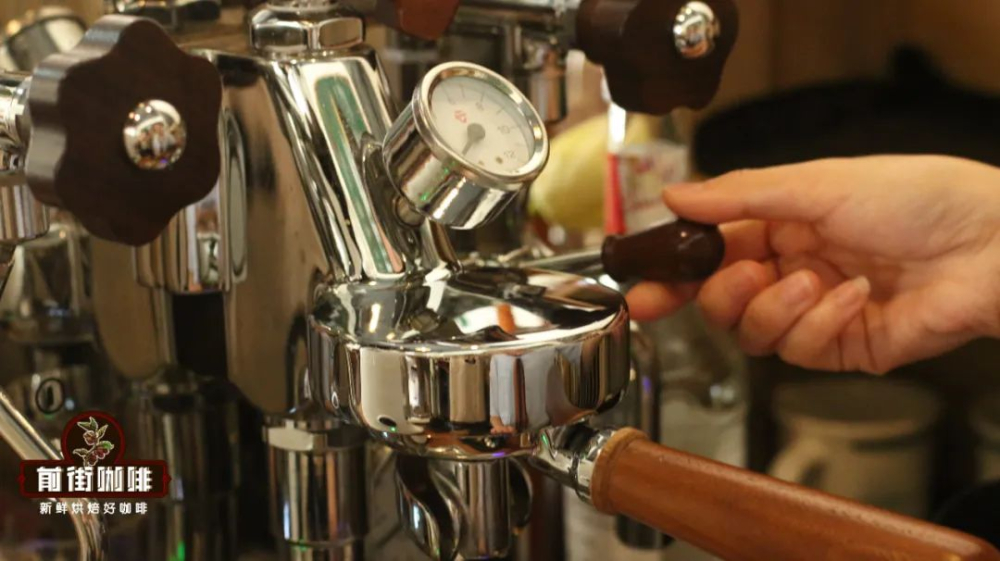
In contrast, the pre-infused group first underwent a 15-second pre-infusion at low pressure (dial set to the far left), with the first drip occurring at the 8-second mark. Pressure was then increased to above 9 bars (dial set to the far right) at the 16-second mark, ultimately yielding 38 grams of coffee over a total time of 34 seconds, with a consistently stable flow rate throughout. This shot produced more delicate and velvety crema, with distinct and layered flavors, notably featuring a clear whiskey-like aroma and chocolate biscuit notes. The acidity was light, with hints of berries and cherries, followed by a notable sweetness upon swallowing. Overall, the cup was more rounded and rich, offering a highly enjoyable drinking experience even when sipped straight.
Based on both practical testing and theoretical analysis, pre-infusion not only improves degassing in fresh beans but also enhances extraction stability and optimizes flow rate performance, ultimately bringing out a more complete range of coffee flavors. For baristas or coffee enthusiasts who strive for precision and consistency, mastering the technique of pre-infusion is a key step toward elevating the quality of your espresso output.
The above content is compiled by CoffeeHunters, a coffee news website.


