








Introduction:Panamanian Geisha coffee has become a standout in the specialty coffee world thanks to its distinctive floral and fruity aromas and delicate acidity. This article will take you on a journey from the Geisha’s origins in Ethiopia’s native forests to the Boquete Valley in Panama, exploring how Hacienda La Esmeralda discovered its potential and how the local terroir produces such unforgettable coffee flavors—helping you better understand the allure of this top-tier coffee bean.
When it comes to Geisha, many coffee enthusiasts immediately think of the premium coffee from Panama. Although this variety is also grown in Ethiopia, Costa Rica, and Colombia, “Panamanian Geisha” is undeniably the gold standard recognized by the market. This status stems from a centuries-long journey of the variety, the discerning eye of Hacienda La Esmeralda, and the unique terroir of the Boquete Valley, all of which come together to create a coffee with delicate floral and fruity notes and bright acidity.

When many people first try Geisha, they almost always ask: “Is this from Panama?” Some even mistakenly believe that all Panamanian coffee is the Geisha variety. In fact, Geisha is not native to Panama, but it found its stage in these highlands. What exactly makes Panamanian Geisha so exceptional that it stands out and becomes a dream coffee for specialty coffee lovers worldwide?
Before Geisha gained recognition, this coffee variety didn’t receive much attention. Its tall plant height, weak disease resistance, and ordinary flavor performance at low altitudes led to low planting interest. It wasn’t until 2004 that it made a stunning debut at the Best of Panama (BOP) competition, conquering international judges with its delicate jasmine aroma, bright citrus notes, and deep tropical fruit flavors. It won the championship and set an auction record for green beans at the time, thus gaining widespread fame.
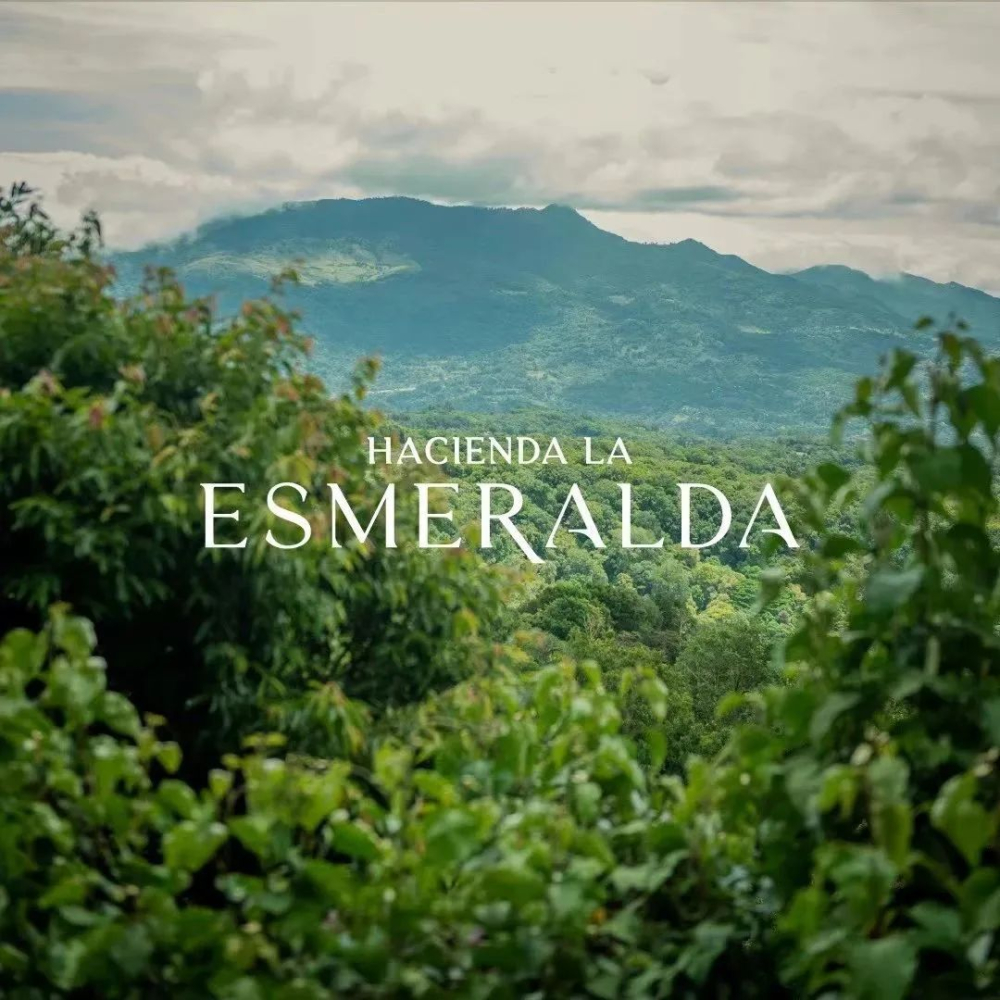
The charm of Geisha lies in how it completely overturns people’s stereotypes about coffee. Unlike traditional black coffee, which is bold and intense, it’s more like sipping a layered floral and fruity tea. As the temperature changes, its aromas and flavors unfold layer by layer—from initial citrus and bergamot notes to mid-palate berries and honey, followed by white floral and tea-like aftertastes. Every sip is full of surprises. This extraordinary flavor profile quickly made Geisha a “dream coffee” for many baristas and consumers, and it was Hacienda La Esmeralda that propelled it onto the world stage.
In fact, Geisha was first discovered in 1931 in the Kaffa forest in southern Ethiopia, where locals named it after nearby Geisha Mountain (Geisha Mountain). The variety was then sent to Kenya, Uganda, and Tanzania for research and trial planting. By 1953, it was introduced to the CATIE Tropical Agricultural Research Center in Costa Rica under the number T2722, but in most local farms, it never gained favor due to its fragile tree structure and poor yield.
It wasn’t until the 1960s, when CATIE introduced the variety to Panama, that Geisha gradually took root there. In the 1990s, the Peterson family of Hacienda La Esmeralda took over the Jaramillo farm in a high-altitude area, which was then suffering from leaf rust. Interestingly, while other coffee trees around were falling ill, Geisha showed remarkable disease resistance. This led the Peterson family to isolate Geisha from the mixed planting areas and gradually increase its planting altitude in hopes of unlocking its potential.
The turning point came in 2003 when they cupped the coffee for the first time and were amazed by its rich white floral aroma, clean and refreshing taste, and lingering notes of berries, citrus, and bergamot. This flavor profile later became the hallmark of Panamanian Geisha. The following year, the coffee competed in the BOP competition under the name “Geisha” and won overwhelmingly, thereby establishing its prestigious position in the global specialty coffee market.
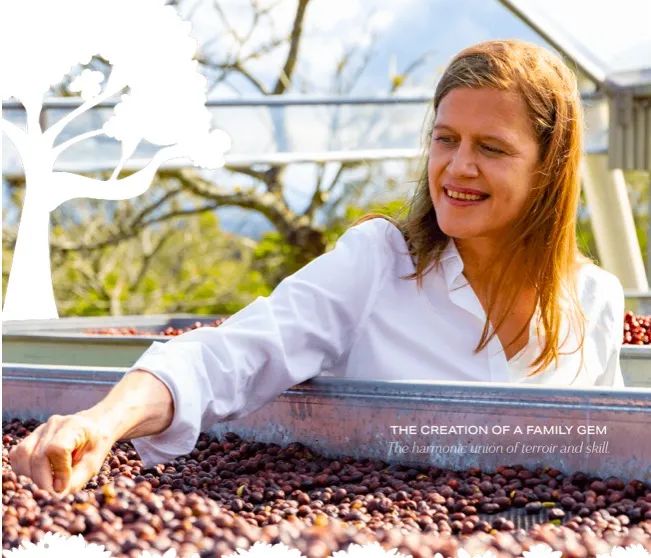
So, why is Panamanian Geisha able to achieve such high acclaim? The answer lies in the local terroir. The Boquete Valley, located in the town of Chiriquí and adjacent to the eastern side of Volcán Barú, sits at an altitude between 1,000 and 2,000 meters. The region has a unique climate, nourished by the warm, moist trade winds from the Caribbean Sea on one side and regulated by the cold currents of the Atlantic Ocean on the other. With large diurnal temperature variations, moderate humidity, and year-round mountain fog, it forms a diverse microclimate environment.
The Volcán Barú National Park boasts high biodiversity, and the soil is rich in minerals with excellent drainage, providing ideal growing conditions for coffee trees. In such an environment, Geisha can not only accumulate rich flavor compounds but also exhibit extremely delicate acidity and complex aromatic layers. In addition, Panamanian coffee farmers have accumulated extensive experience in processing techniques, fresh cherry selection, and post-harvest refinement, further enhancing the quality of Geisha.
In summary, Panamanian Geisha has become synonymous with the world’s top-tier coffee not just because of the variety’s inherent potential, but also thanks to Hacienda La Esmeralda’s discovery, the unique natural environment of the Boquete Valley, and refined post-processing. If you want to experience what “the pinnacle of coffee” truly means, start with a Geisha from Panama’s Boquete region and personally savor that alpine freshness and floral-fruit bounty.
The above content is compiled by CoffeeHunters, a coffee news website.


