








Introduction:Confused by the espresso menu when you want to order an Italian coffee? This article will take you deep into the world of Italian coffee, starting with the classic trio of espresso drinks (Espresso, Ristretto, Lungo), then exploring the differences among black coffees like Americano and Long Black. We’ll also go into detail about milk-based coffees such as Latte, Cappuccino, Macchiato, Flat White, and Piccolo, and finally uncover the unique charm of creative Italian specials like Mocha and Affogato. With this knowledge, you’ll feel more confident ordering at coffee shops and better understand the characteristics of each cup in your hand.
On a hot summer day, you might not be in the mood to explore coffee origins or complex brewing techniques. But when faced with a dazzling array of Italian coffee options on the menu, have you ever felt puzzled? This article will systematically outline the full picture of Italian coffee, starting from the most basic Espresso and its variations known as the "Espresso Trio"—Espresso, Ristretto, and Lungo—then gradually expanding to common black coffees like Americano and Long Black. Next, we’ll dive into the globally popular milk coffee family, including Latte, Cappuccino, Macchiato, Flat White, and Piccolo. Finally, we’ll introduce creative Italian specials like Mocha, Affogato, and Espresso Con Panna. Through detailed explanations of ratios, flavor profiles, and recommendations for hot or iced versions, this guide will help you fully understand the secrets behind each drink so you can order with confidence.
The Espresso Trio: Espresso, Ristretto, and Lungo
The soul of Italian coffee is undoubtedly the Espresso, which serves as the base for most espresso-based drinks. A standard Espresso is typically extracted at a coffee-to-water ratio of 1:1.5 to 1:2.5. For example, using 20 grams of coffee grounds, around 40 grams of espresso liquid is extracted within 25 to 30 seconds. Ristretto, on the other hand, captures the essence of the first and middle part of the extraction, maintaining the same amount of coffee but using a ratio of 1:1 to 1:1.5. Usually, 20 grams of coffee yields about 28 grams of liquid in roughly 20 seconds, resulting in a more concentrated flavor with a shorter aftertaste. It’s often used as the base for Flat White. As for Lungo, it takes the opposite approach by extending the extraction time and increasing the liquid output, with a coffee-to-water ratio that can reach 1:4 to 1:5. From 20 grams of coffee, about 100 grams of liquid is extracted over nearly a minute, leading to a relatively diluted taste that can easily become over-extracted and bitter. Additionally, if you prefer a stronger concentration, you can order a Doppio, which is typically made with double the amount of coffee for a single shot, naturally offering a more intense flavor.

Black Coffee Variants: Americano and Long Black
When it comes to black coffee, the Americano is almost a staple in every café. It consists simply of Espresso with hot water added, and its straightforward flavor and suitability for both hot and cold enjoyment make it widely popular. The typical coffee-to-water ratio is about 1:5 to 1:8. The Long Black, originating from Australia, also combines Espresso and water, but it’s made differently: hot water is poured first, followed by Espresso, usually in a 1:3 ratio. This method results in a more intense flavor and is typically only served hot. Although these two may seem similar, they differ significantly in ratio and taste. Understanding these details can help you choose based on your flavor preferences.
The Milk Coffee Family: Latte, Cappuccino, Macchiato, Flat White, and Piccolo
The world of milk coffee is rich and varied. Among the most well-known is the Latte, where “Latte” means “milk” in Italian, so you should actually order “Caffe Latte” to avoid confusion. Its standard ratio is around 1:5 to 1:8 of Espresso to milk, with relatively fine microfoam, making it a popular choice for many trying milk coffee for the first time. In Italy, however, the classic milk coffee is the Cappuccino, consisting of coffee, steamed milk, and foam in a 1:1:1 ratio. It features a generous layer of foam that may even spill over the rim, delivering a dual experience of strong coffee aroma and a velvety texture. The Macchiato, meaning “spotted” in Italian, is made by adding just a dollop of steamed milk foam to an Espresso. With minimal milk foam, its flavor is closer to pure Espresso but slightly softened.
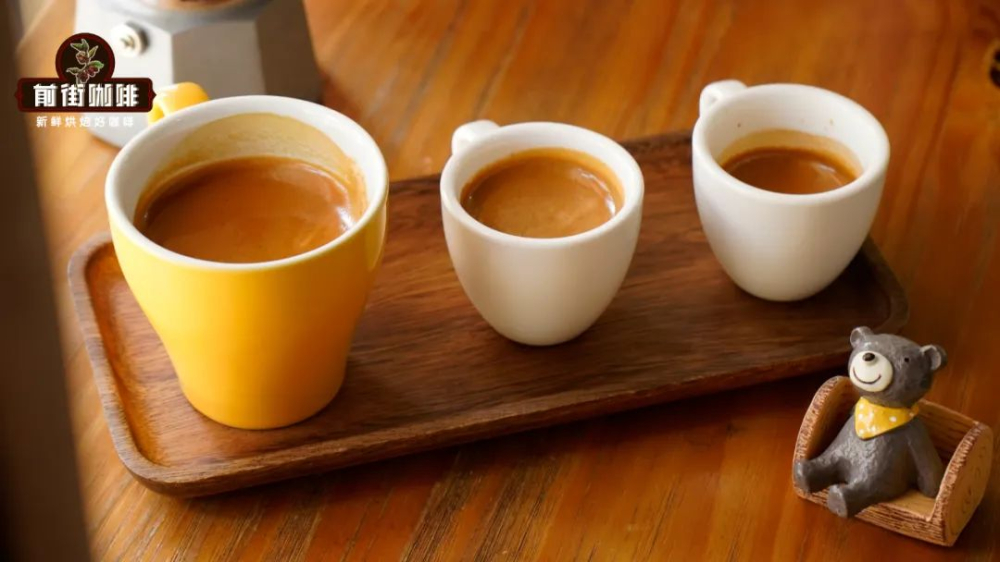
In Australia, milk coffee culture has its own local interpretations. The Latte has evolved into the Flat White, featuring thinner foam and less milk, typically served in a smaller cup that highlights the coffee’s flavor. There’s also the Piccolo Latte, a mini version of the Latte served in a 3-ounce cup with a single shot of Espresso and a small amount of milk. It offers a bold flavor and emphasizes the characteristics of the beans, and is also only available hot. The Dirty is a popular iced coffee variation in recent years, where freshly brewed Espresso is poured directly over ice-cold milk, creating a striking color contrast. Not only is it visually appealing, but it also showcases the intense aroma of the Espresso, making it perfect for those who enjoy a cool, refreshing coffee experience.
Italian Specialty Coffees: From Mocha to Affogato
To soften the intense bitterness of Espresso, Italian coffee culture has developed various specialty drinks that add creative flavors to make coffee more approachable. For instance, the Mocha Café is a Latte with added chocolate elements, ranging from chocolate syrup to instant cocoa powder, making it a favorite among dessert lovers. Another Italian specialty, the Caffè Marocchino, is made by pouring Espresso into a small cup, sprinkling cocoa powder, adding milk foam or cream, and then topping it off with another sprinkle of cocoa powder. The small serving size and double cocoa layers result in a richer overall flavor.
There are also many specialty drinks created directly using Espresso as the base. For example, adding whipped cream on top of an Espresso creates a Con Panna; pouring hot Espresso over ice cream makes an Affogato, a dessert-like coffee that doubles as both a drink and a treat. If you want to add alcohol, the Caffè Corretto involves mixing a small amount of spirits like Grappa or Sambuca into the Espresso, offering a completely different flavor experience. Additionally, the European-style Shakerato is made by shaking Espresso, syrup, and ice in a cocktail shaker, then straining it to produce a dense, black-beer-like foam with a cool, refreshing aroma—a great summer choice.
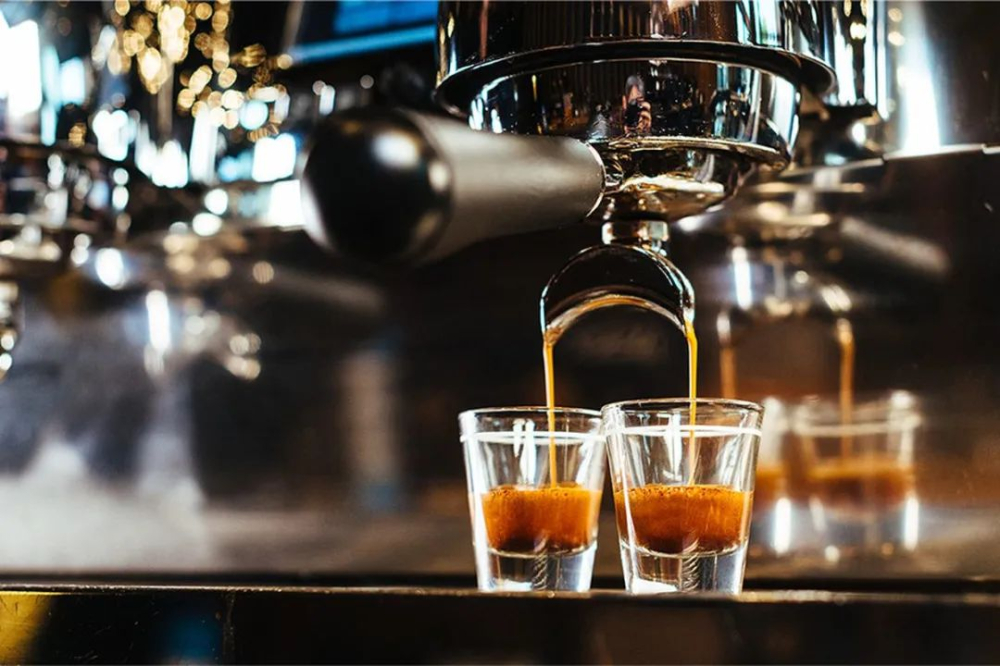
Whether you’re a beginner just stepping into the world of coffee or an enthusiast wanting to better understand the differences between each drink, mastering these classifications and characteristics of Italian coffee will give you more direction when ordering and allow you to appreciate the unique qualities of each cup in your hand even more.
The above content is compiled by CoffeeHunters, a coffee news website.


