







Introduction:Due to its low-temperature extraction characteristics, the flavor profile of cold brew coffee is closely related to water quality. This article conducts actual cold brew experiments using four common types of drinking water—Baishishan, Nongfu Spring, Jingtian, and Yibao—to analyze TDS values, concentration levels, and real-world flavor performance. The goal is to identify the most suitable water combination and provide practical advice on selecting brewing water based on taste preferences.
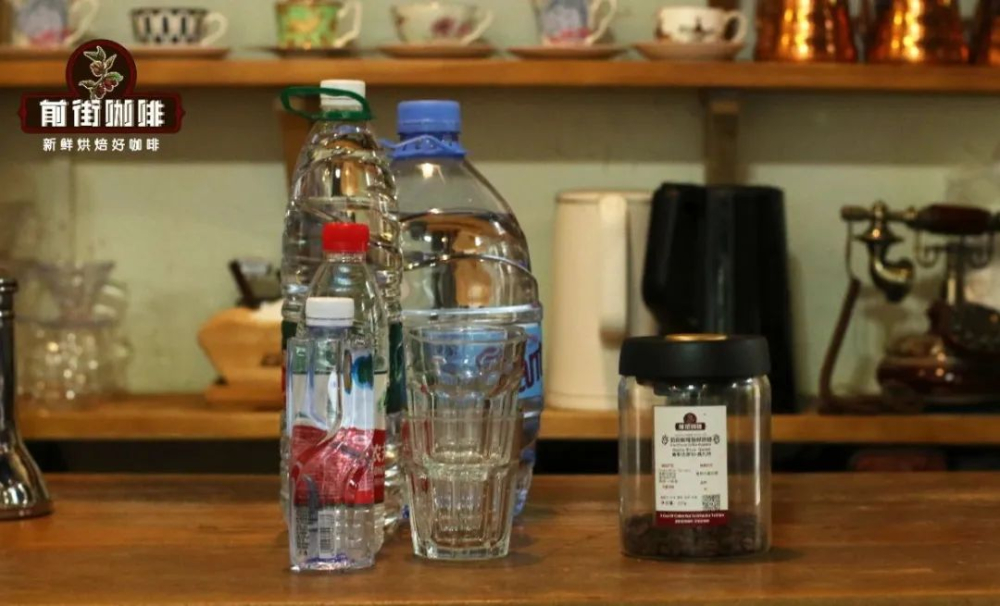
As is well known, water makes up over ninety percent of a cup of coffee, which means water quality has an enormous impact on the final flavor. Different brands of drinking water vary in TDS (total dissolved solids), mineral composition, hardness, and pH, all of which affect the extraction efficiency and balance of various compounds in coffee. To explore the influence of water quality on cold brew flavor in depth, we selected four commonly available types of water on the market: Baishishan, Nongfu Spring, Jingtian Natural Spring Water, and Yibao Purified Water. Using the same conditions and Costa Rica Mozart coffee beans, we brewed cold brew and analyzed the results based on TDS values, coffee liquid concentration, and actual tasting experiences.
The core of this experiment is to observe how different water qualities alter the extraction performance and final flavor profile of cold brew coffee. We recorded the TDS value of each type of water and used a standardized process: 15 grams of coffee grounds, a 1:10 coffee-to-water ratio, a 20-mesh sieve passing rate of approximately 83% (equivalent to an EK43s grind setting of 9.0), and a 15-hour steeping time. Tasting evaluations were conducted after two hours of refrigeration. Beyond the data, we focused particularly on the actual flavor descriptions upon tasting, including fruitiness, sweetness, acidity, and overall balance.
First, let’s understand what TDS means. TDS refers to the total amount of dissolved solids in water, including minerals and trace elements such as calcium, magnesium, potassium, and sodium, usually measured in mg/L or ppm. Generally speaking, the higher the TDS value, the more substances are dissolved in the water. For example, water with a TDS of 50ppm means there are 50 milligrams of dissolved solids per liter. However, TDS only reflects the total quantity and cannot detail the proportions of various minerals. Research indicates that moderate levels of calcium and magnesium ions can enhance the extraction of coffee acidity and aroma release, but if their content is too high, it may not only cause scale buildup but also suppress some delicate flavors. Therefore, choosing water with moderate TDS is usually key to brewing coffee with a balanced flavor.
In this experiment, the coffee beans used were Costa Rica Mozart, processed with the raisin honey method, featuring distinct osmanthus, ripe fruit, and dried fruit sweetness—qualities that make it highly suitable for cold brew. If you don’t have this particular bean on hand, you can also choose varieties with a juicy or pronounced fruity character, such as strawberry sugar, blackberry, cherry tomato, or Sidamo, all of which can help improve cold brew performance.
Pre-experiment water quality measurements showed: Baishishan had a TDS of 58ppm, Nongfu Spring 37ppm, Jingtian 18ppm, and Yibao Purified Water 0ppm. During the cold brew process, each sample used 15 grams of coffee powder, steeped at a 1:10 ratio for 15 hours, then refrigerated for two hours before filtering and tasting. Although the TDS levels of the four waters varied significantly, due to the relatively gentle extraction strength of cold brew, the final coffee liquid concentration differences were not overly large, ranging between 1.98% and 2.15%.
In terms of tasting results, the cold brew made with Baishishan water had a concentration of 2.0%, presenting notes of berries and black tea, but the overall flavor was somewhat monotonous and slightly powdery; Nongfu Spring reached a concentration of 2.15%, showcasing distinct raisin, tropical fruit, floral, and subtle fermented wine aromas, with rich and full flavor layers; Jingtian Natural Spring Water had a concentration of 1.98%, exhibiting blueberry and dried fruit flavors, but with weaker sweetness, overall aroma being rather average and lacking distinctive features; as for Yibao Purified Water, the concentration was 2.09%, delivering bright fruit acidity, sweet orange, and spicy notes, with the cleanest and most refreshing mouthfeel, and the most distinct and ascending flavor profile.
Combining the experimental results, it can be seen that even under the same extraction parameters, subtle differences in water quality can significantly affect the coffee’s extraction performance and final flavor profile. Nongfu Spring, with its moderately balanced TDS and mineral content, helps bring out rich fermentation notes and fruity aromas, making it suitable for coffee enthusiasts who enjoy complex layers; whereas purified water like Yibao, though lacking in minerals, can highlight the coffee’s inherent bright acidity and fruity notes, making it ideal for those seeking a clean and refreshing taste.
For readers trying to adjust their brewing water for the first time, it is recommended to start with natural mineral water with a TDS value of around 30–50ppm, such as Nongfu Spring, to observe its impact on coffee flavor. If you prefer a lighter and cleaner flavor, you can opt for purified water with a TDS close to 0, such as Yibao. The experiment also reminds us that water quality is just one of many factors influencing cold brew performance. Only by combining appropriate grind size, coffee-to-water ratio, and steeping time can the full potential of the coffee beans be realized.
The above content is compiled by CoffeeHunters, a coffee news website.


