








Introduction:The flavor profile of pour over coffee is often hidden in those easily overlooked details — such as the choice of filter paper, how it’s folded, and whether it’s pre-wet. These seemingly minor steps can actually have a significant impact on the coffee’s clarity and mouthfeel. This article will delve into the differences between unbleached and bleached filter papers, guide you in selecting the right type of filter paper, and provide detailed techniques on folding and pre-wetting to help you steadily improve the quality of every cup of pour over coffee.
Many pour over enthusiasts often wonder: Why do different baristas fold their filter paper differently? Which type of filter paper should I choose? How should I fold it? Do I need to pre-wet it? These seemingly simple steps can directly influence the final flavor of the coffee. Through long-term production, we’ve accumulated a wealth of practical experience with filter paper usage. This time, we’ll start from selecting the type of filter paper, then move on to folding techniques and pre-wetting methods, presenting a comprehensive and practical guide to help everyone gain a deeper understanding of the filter paper aspect in pour over brewing.
Many customers have asked: Why do your baristas fold filter paper in different ways? Which type of filter paper should I choose? How should I fold it? Is it absolutely necessary to pre-wet the filter paper? And what should I pay attention to when pre-wetting? Next, we’ll provide detailed answers to this series of key questions about filter paper.

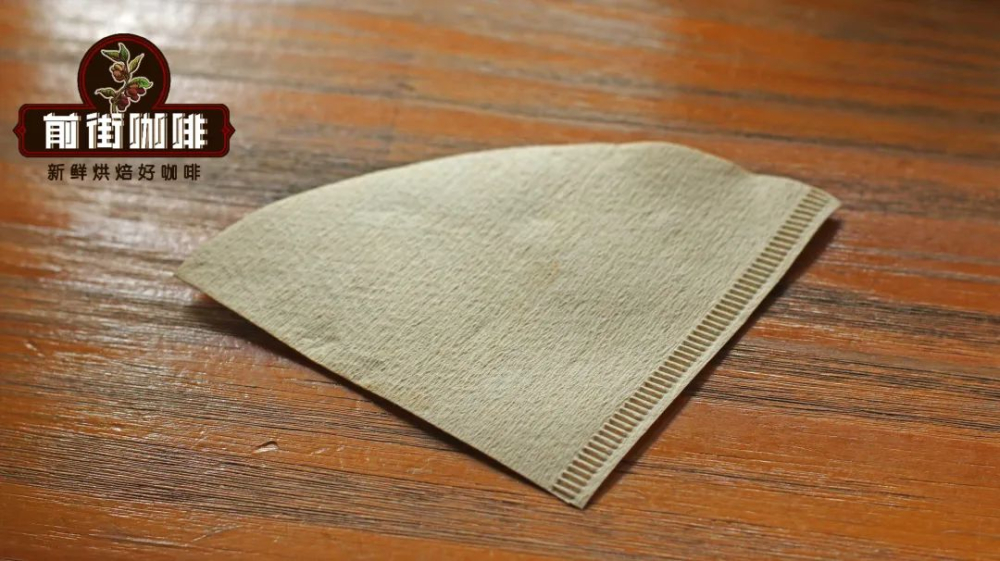
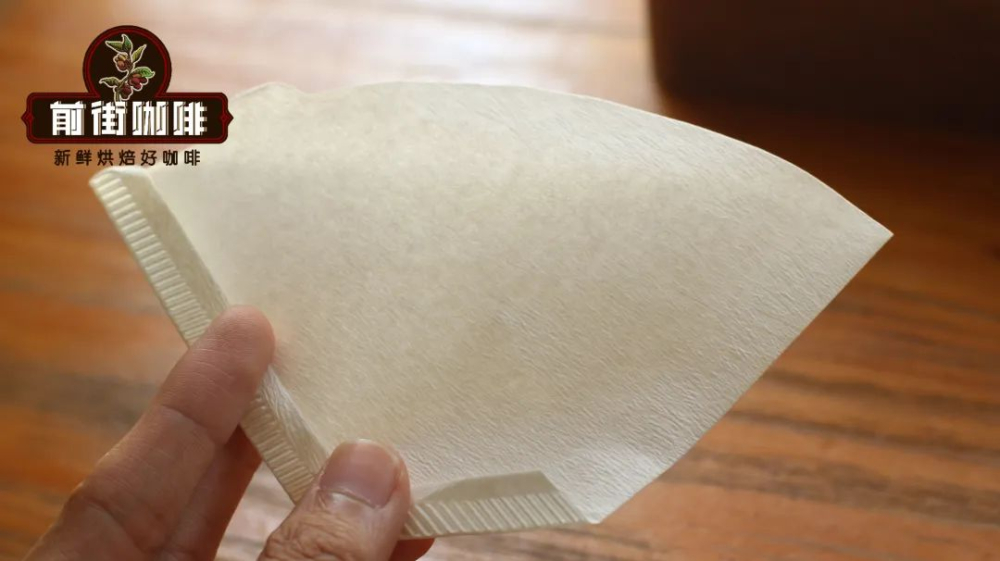
First, let’s talk about choosing filter paper: Should you use unbleached or bleached filter paper? It’s recommended to prioritize bleached filter paper. The reason is that bleached filter paper undergoes special treatment and almost never carries noticeable pulp flavors or off-notes, which helps avoid interfering with the coffee’s inherent aroma and flavor. Most well-known brands of filter paper on the market today use bioactive enzyme bleaching technology, a technique originally widely applied in the medical field and considered relatively safe. Therefore, when purchasing, it’s advised to choose reputable major brands and pay attention to whether the product description clearly states that harmless bleaching processes are used. For reference, KONO brand filter paper is used in our daily production.
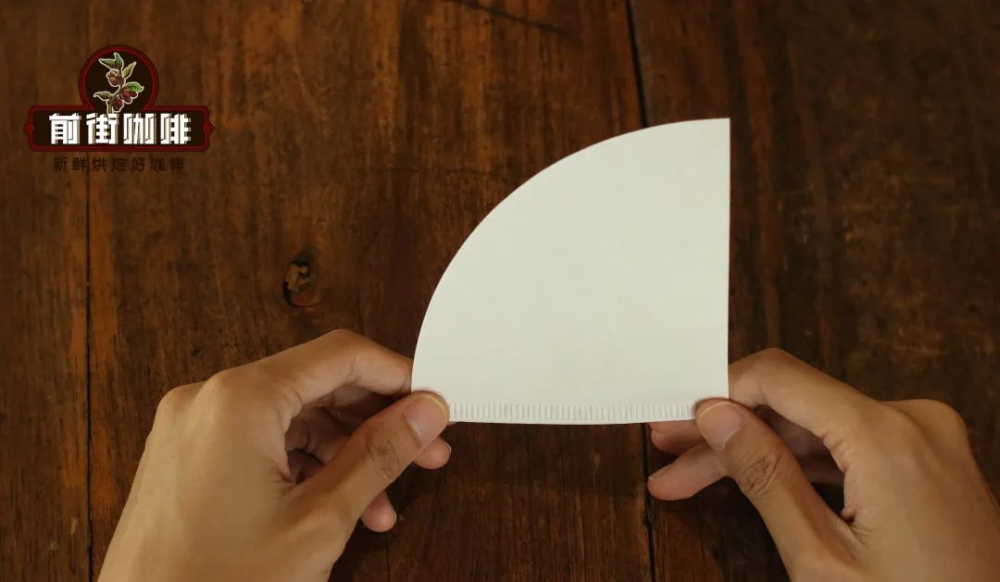
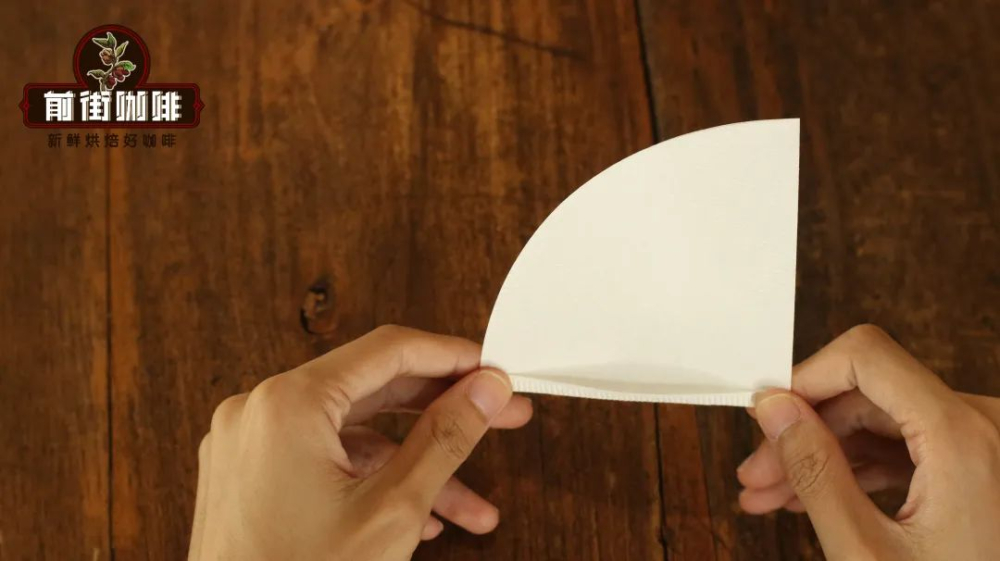
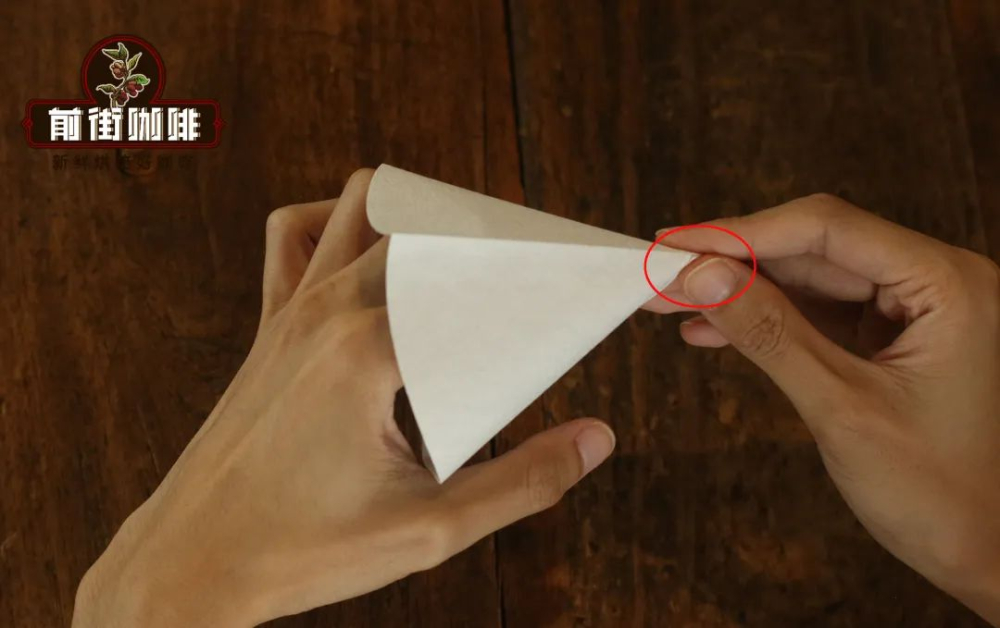
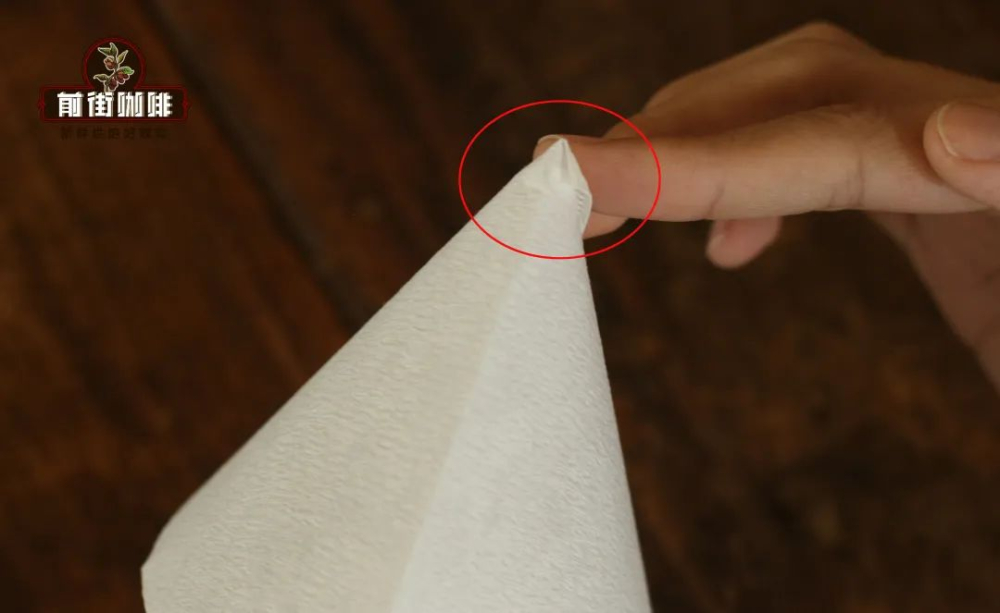
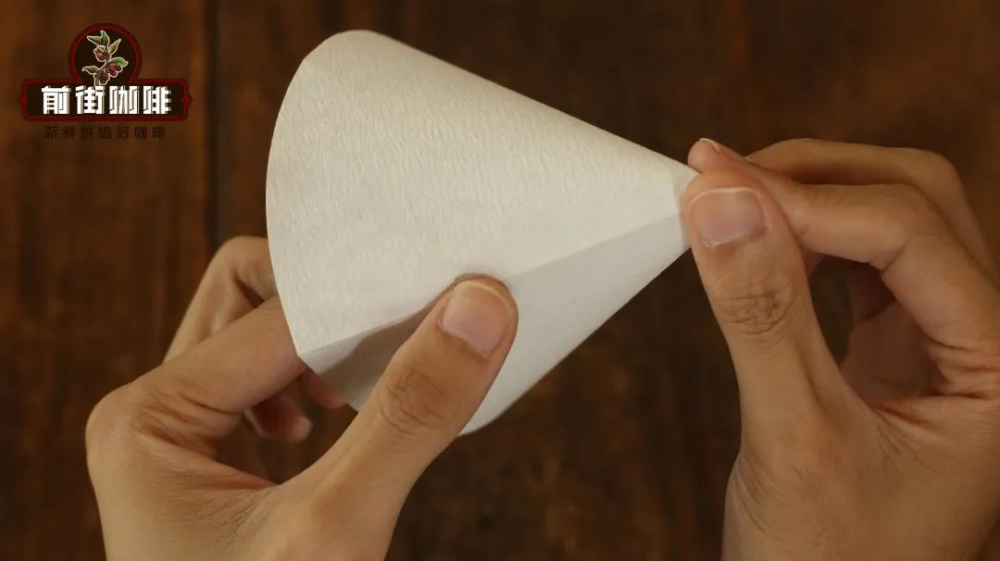
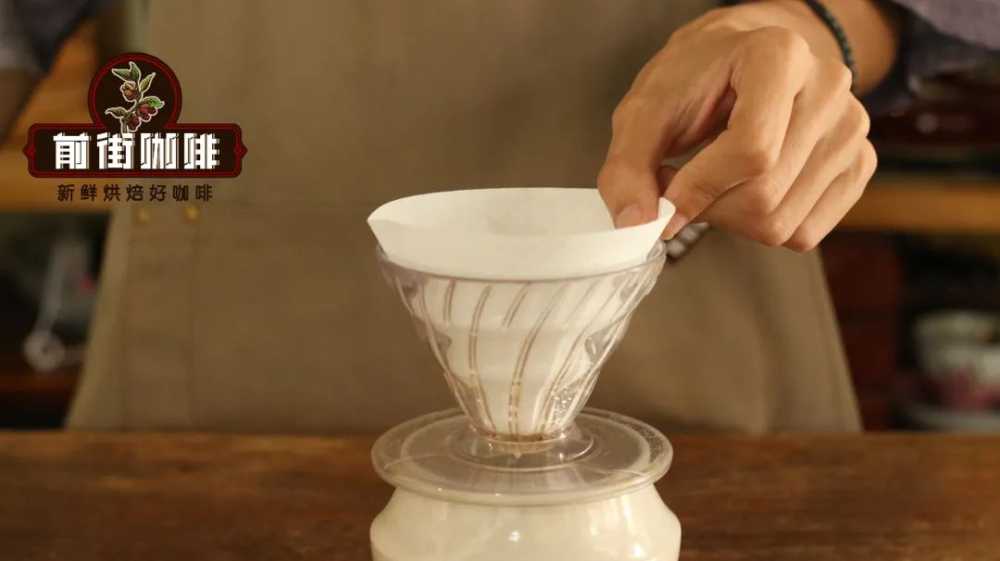
Finally, a special reminder to all coffee lovers: When selecting and using filter paper, be sure to confirm that the filter cone and filter paper are compatible in size. If the filter cone and filter paper specifications don’t match, even the best-quality filter paper, perfectly folded and pre-wet, may not perform as intended. Ensuring that the filter cone and filter paper are of matching types is the foundation for smooth extraction and pure flavor.
(FrontStreet Coffee)
Address: No. 10, Bao’an, Yan’ding Road, Dongshankou, Yuexiu District, Guangzhou City, Guangdong Province
The above content is compiled by CoffeeHunters, a coffee news website.


