







Introduction:Although the AeroPress may resemble a syringe in appearance, it is a unique coffee brewing device with its own international competition, combining immersion and pressure extraction. Invented in 2005 by Stanford mechanical engineer Alan Adler, its compact design accommodates a variety of coffee beans and grind sizes. This article starts with the story behind its invention, delves into the differences between forward and inverted brewing methods, guides you through a more stable inverted operation process, and uses a medium-roasted Papua New Guinea Bird of Paradise as an example to provide a 1:16 coffee-to-water ratio and iced coffee adjustment suggestions—helping you easily brew a full-flavored cup of AeroPress coffee.
“Boss, that funnel-like thing you use to pour beans is pretty unique—where’d you get it?”
“It came with the AeroPress I bought.”
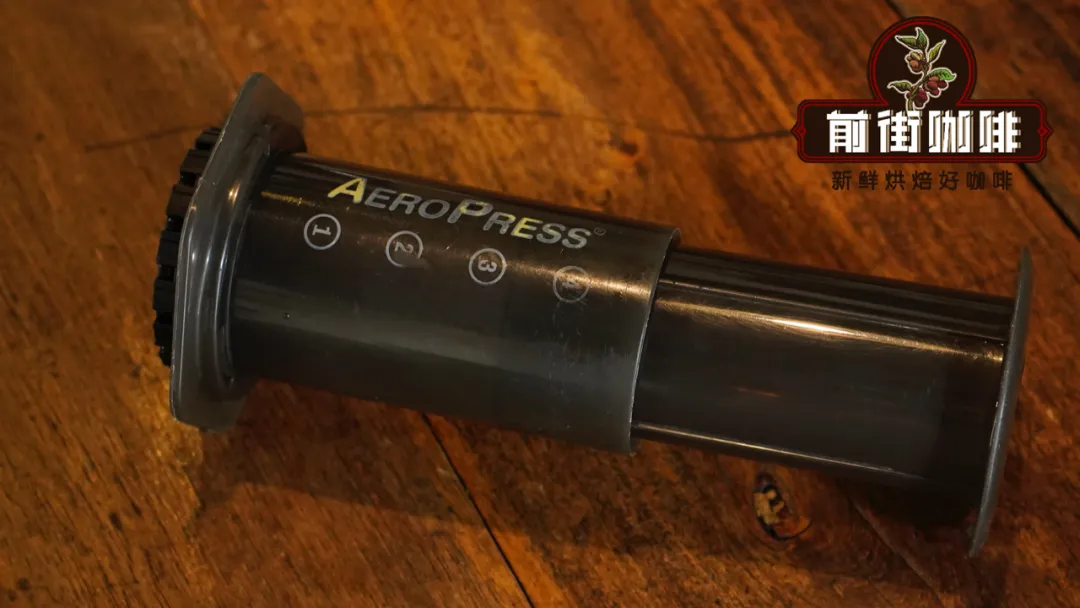
This casual conversation draws attention to the often-overlooked AeroPress. Resembling a large syringe, it is actually a distinctive coffee brewing device capable of hosting its own world championship. So how does this unusual design brew a great cup of coffee? Let’s start with its origin and structure, and break it down step by step.
The AeroPress was born in 2005, personally crafted by Stanford University mechanical engineering lecturer Alan Adler. He admitted that none of the coffee brewing devices on the market at the time met his needs, so he decided to research the principles of extraction himself. After two years of development, this inventor, nearing seventy, finally brought this creative yet practical device to life.
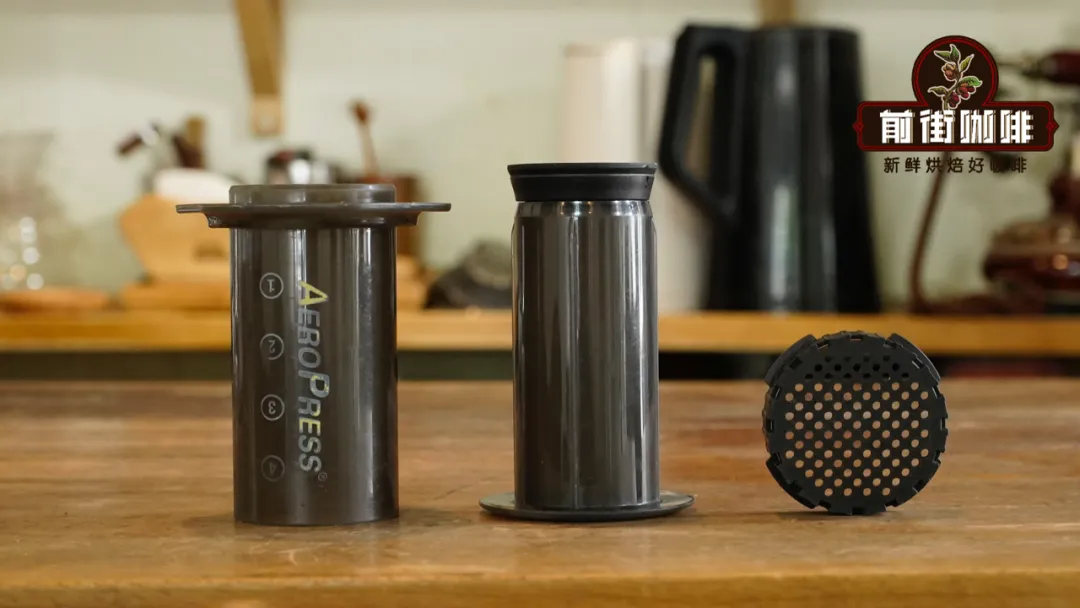
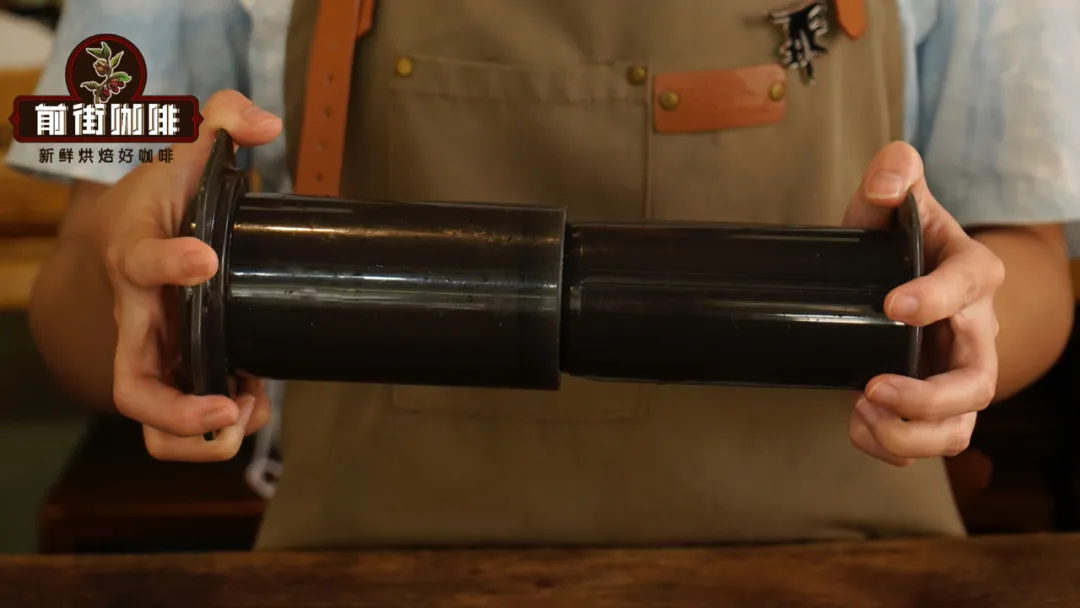
The entire structure consists of only three main components—the chamber, plunger, and filter cap (filter paper or a filter screen is required)—yet it can flexibly handle coffee beans of varying roast levels and grind sizes.Its extraction method cleverly combines single-origin immersion and espresso-style pressure: first allowing the coffee grounds and water to fully steep and release flavors, then using the plunger to press and extract under pressure, resulting in a rich and full-bodied taste.
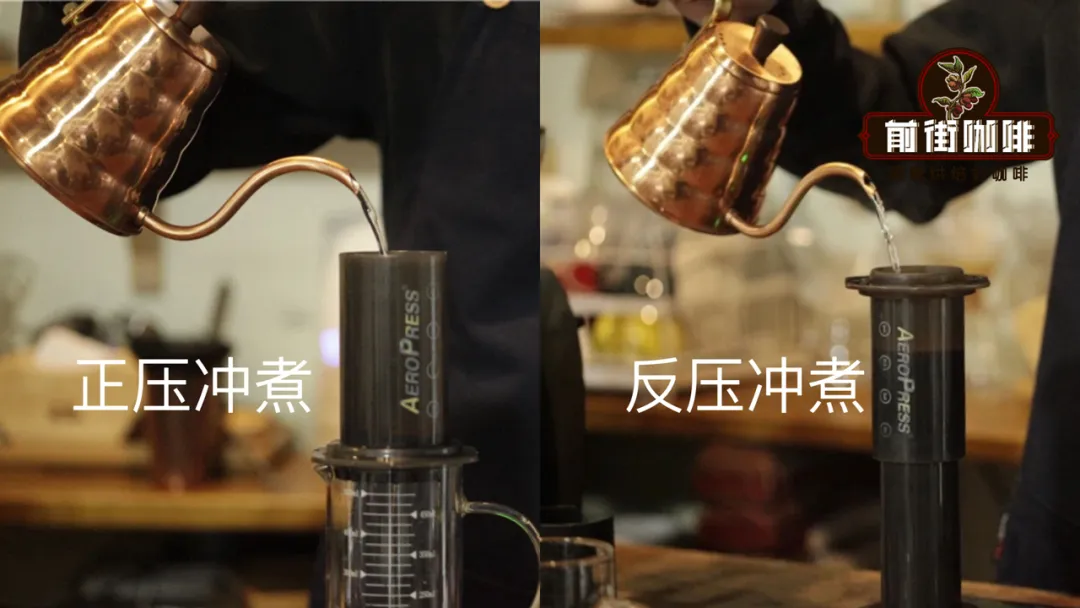
There are mainly two ways to brew with the AeroPress: forward (regular) and inverted (upside-down). The forward method involves: attaching the filter cap (with the filter side facing down), adding coffee grounds, pouring water, stirring, and steeping, and finally inserting the plunger to press and extract. However, this method often leads to water leaking from the filter cap, which has led to the growing popularity of the inverted technique.
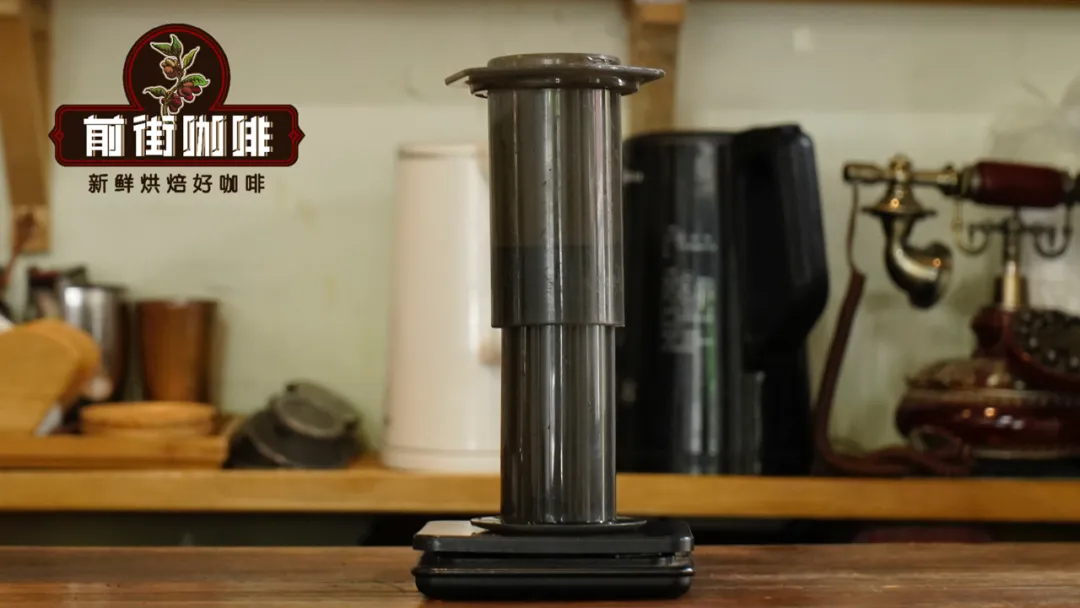
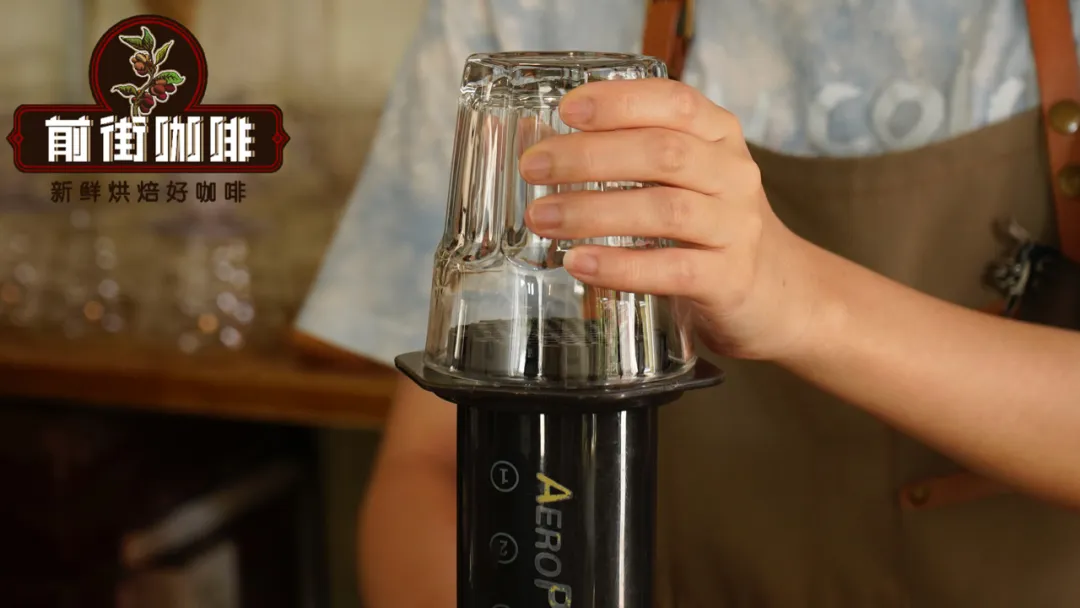
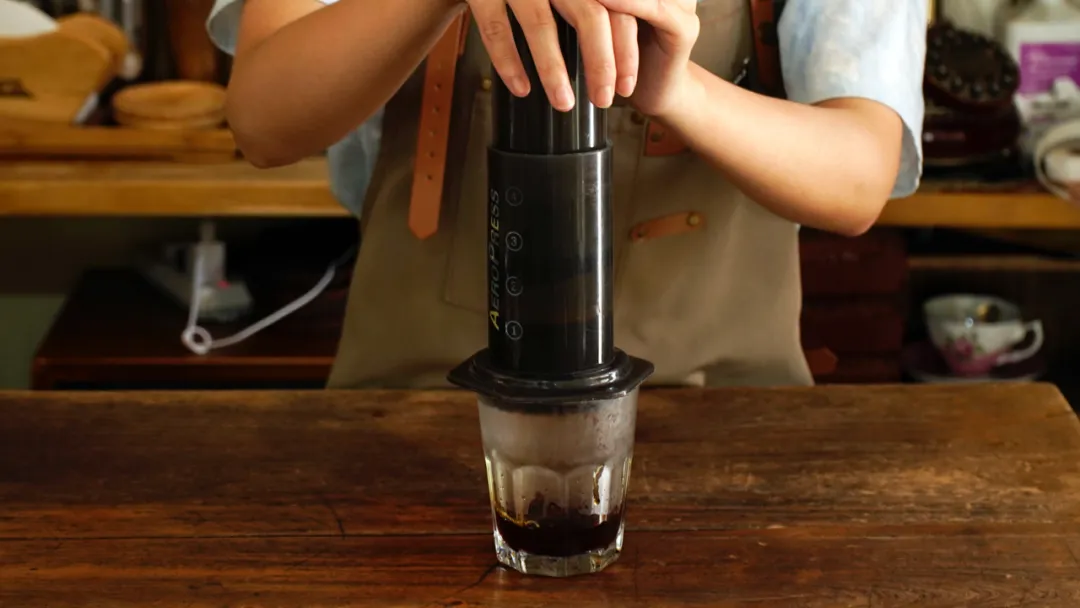
Inverted brewing is more stable:First, assemble the plunger and chamber (with the plunger at the bottom as the base), add the coffee grounds, stir and steep, then place the filter paper and filter cap on top, invert the whole setup by placing a cup over the filter cap, and finally press to extract.Practical testing shows that the inverted method has fewer variables, making it quicker for beginners to master—it’s the recommended starting approach.

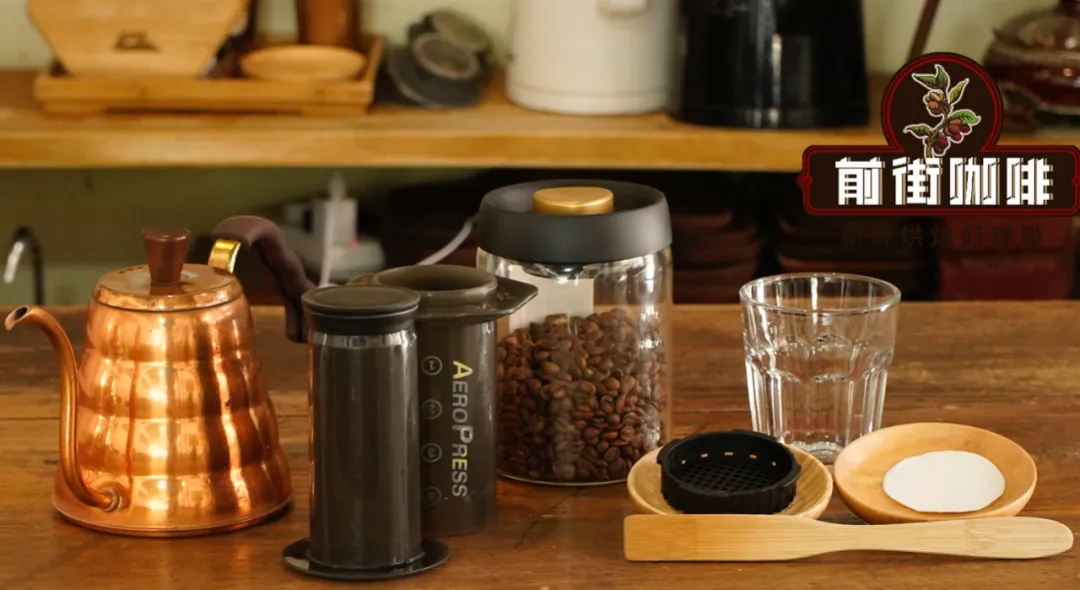
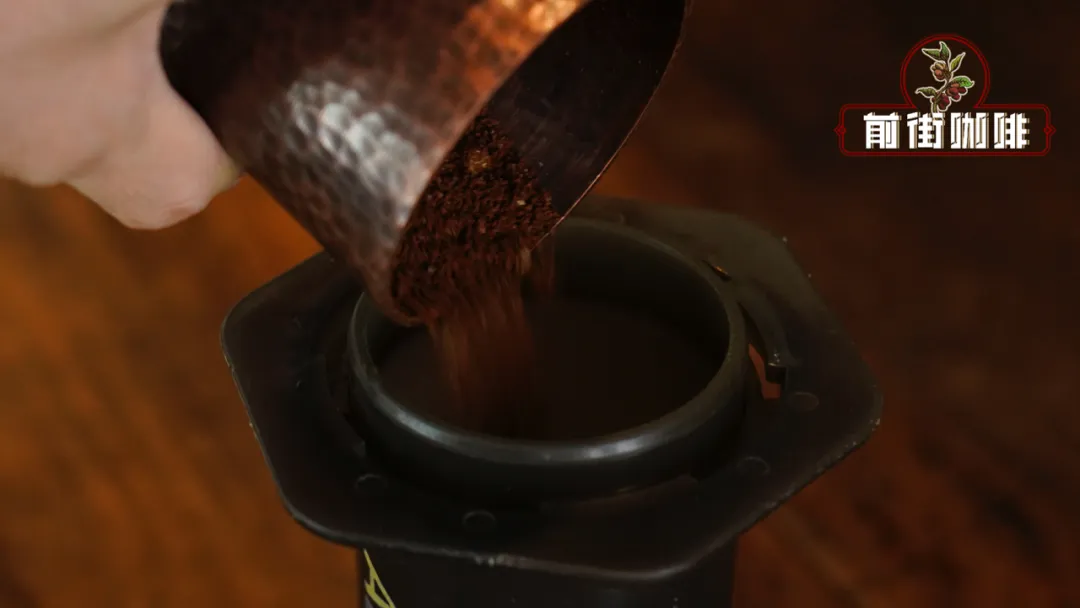
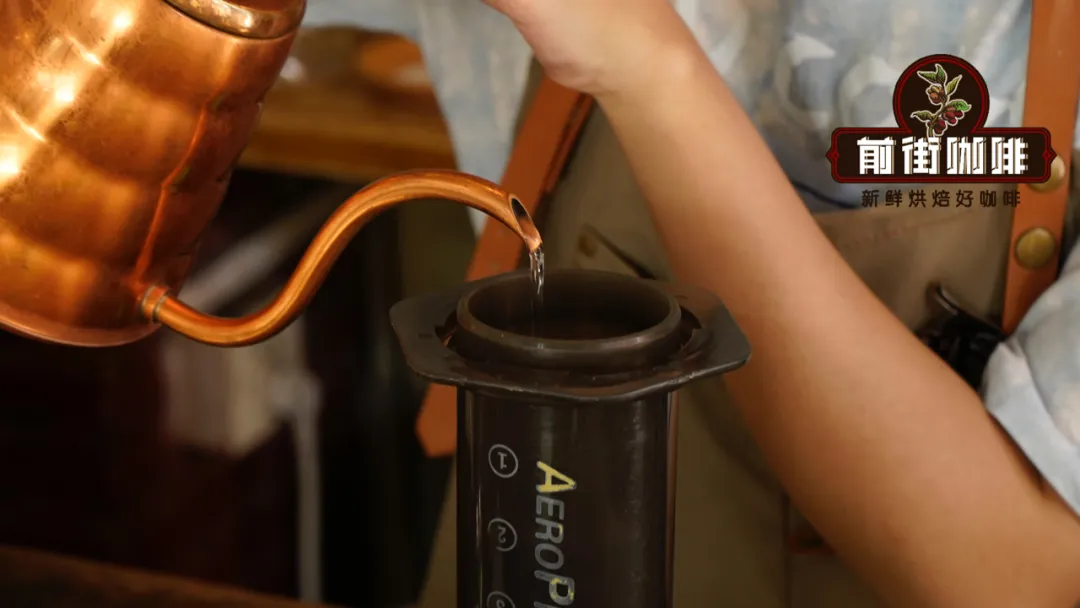
Before you begin brewing, gather the following tools: an AeroPress unit, coffee beans, hot water, a sturdy cup, a stirring utensil, and round filter paper.For this demonstration, we’ve selected a medium-roast Papua New Guinea Bird of Paradise, ground slightly finer than for pour over (achieving 90% through a standard #20 sieve), using 15 grams of coffee to 240 milliliters of water for a 1:16 coffee-to-water ratio. Water temperature is controlled between 90–93°C to highlight the bean’s balanced acidity and sweetness.
Here’s the specific inverted brewing procedure:
① Press the plunger into the chamber, so the cylinder faces downward (serving as the base)
② Add the ground coffee and start the timer
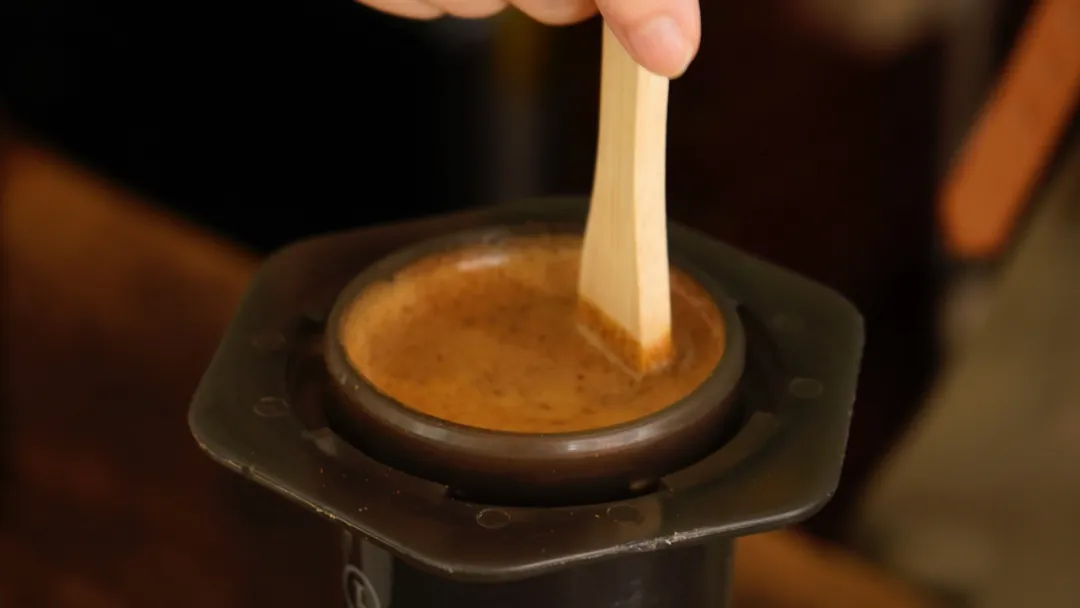
③ Stir the coffee grounds evenly with a stirring stick to ensure full saturation
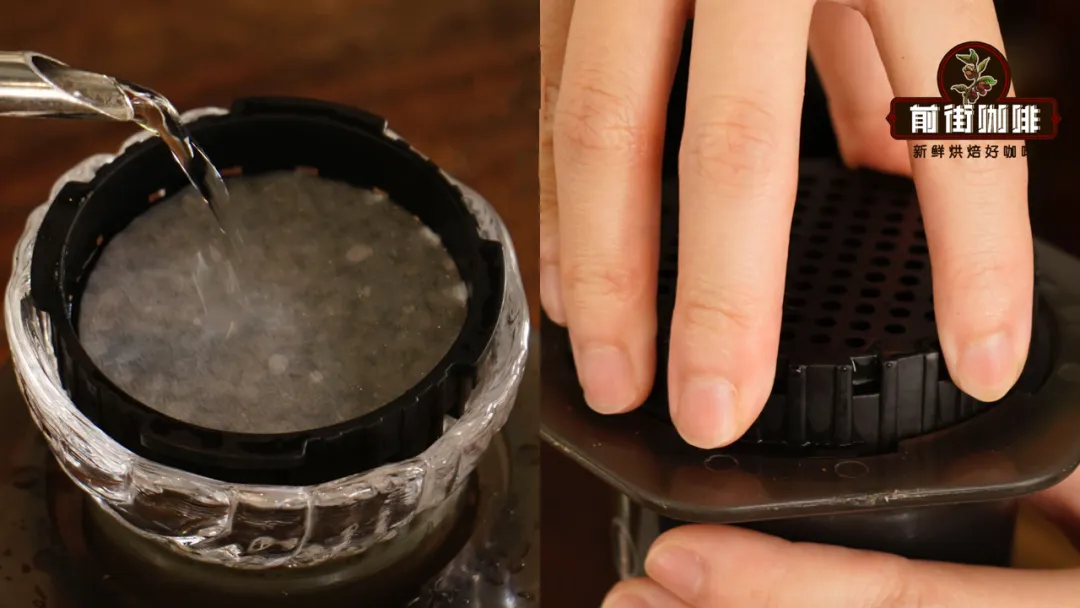
④ After about one minute, place the pre-wetted and fitted filter paper and filter cap on top, invert the cup over the filter cap, and carefully flip the entire assembly
⑤ Finally, begin pressing the plunger to slowly extract the coffee—this whole process takes about 1 minute and 30 seconds.
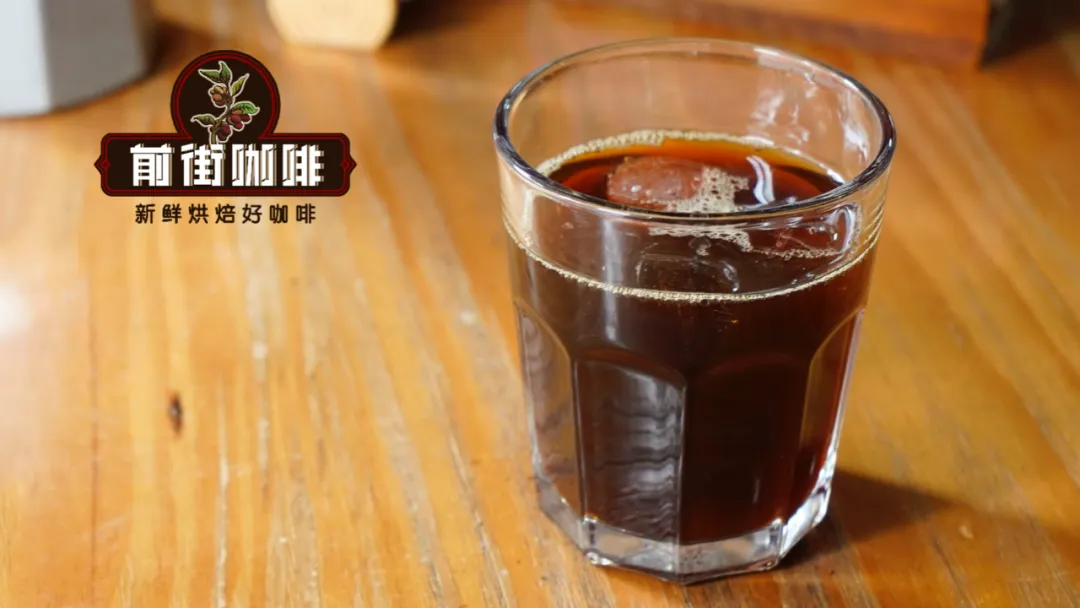
Using these parameters, you’ll have a well-layered AeroPress coffee. If you prefer an iced coffee for summer, adjust the ratio to 1:8, extract as usual, then add 100 grams of ice to chill for a refreshing taste.
The above content is compiled by CoffeeHunters, a coffee news website.


