








Introduction:When adjusting espresso, do you often encounter unstable extraction, abnormal flow rate, or unbalanced flavors? The key actually lies in the precise control of grind size. This article will take you deep into how to determine the optimal grind range for each coffee bean based on extraction time, coffee-to-water ratio, and flavor profile, and provide specific fine-tuning methods and practical advice to help you consistently extract balanced and flavorful espresso.
Just getting started with espresso, have you often found that even after purchasing a professional espresso grinder and machine, you still can’t easily pull a well-balanced shot? Sometimes the coffee gushes out too fast, other times it drips slowly; sometimes it tastes overly sour and sharp, other times bitter and harsh. These common issues mostly stem from improper grind settings.
Espresso is a high-pressure, fast extraction process that takes only twenty to thirty seconds, yet it needs to release the majority of the coffee’s aroma and flavor compounds in a very short time. Precisely because of this, even the slightest change in grind size can significantly affect the extraction outcome. Relying solely on the fixed markings on the grinder is far from enough—you also need to judge whether the grind is appropriate based on actual extraction performance, such as flow rate, time, and flavor.

Many home coffee enthusiasts face similar troubles: they’ve bought high-end espresso grinders and machines, hoping to brew smooth milk-based drinks or Americanos at home, but always get stuck on the espresso part. Either the flow is too fast, leading to under-extraction, or too slow, resulting in over-extraction and off-flavors.
This article will focus on the core topic of “grind adjustment,” teaching you how to quickly find the best grind fineness for each coffee bean based on extraction time, coffee-to-water ratio, and flavor feedback, and providing clear adjustment directions and practical operational suggestions, so you can consistently pull your ideal espresso at home.
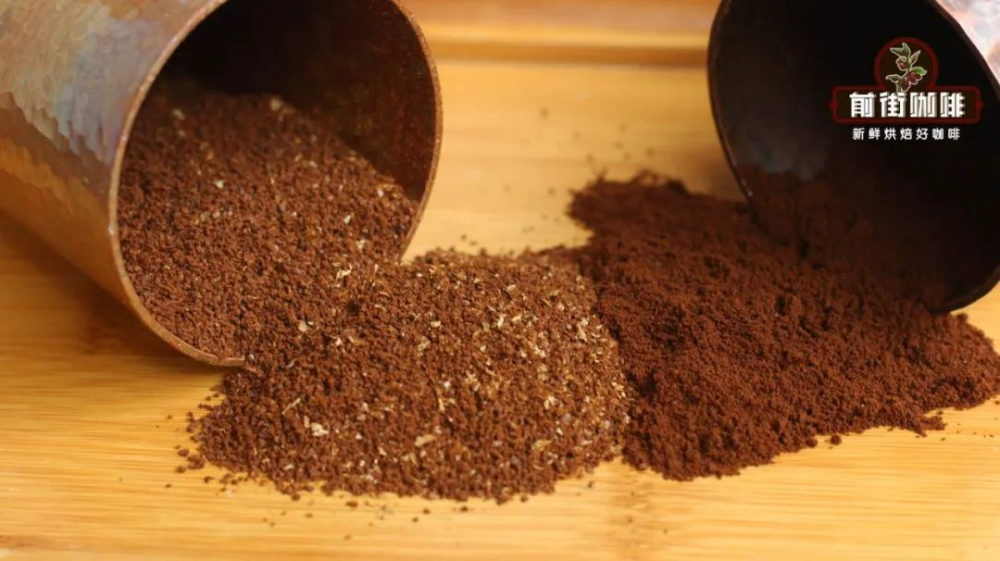
First, it’s important to understand that there is a significant difference between an espresso grinder and those commonly used for pour over or cold brew. Pour over coffee usually uses a medium-coarse grind, with a texture similar to fine sugar, and can even be checked with a sieve; whereas espresso requires an extremely fine grind, feeling more like flour, and cannot be accurately judged by sight or touch alone—it must be fine-tuned based on actual extraction parameters.
Generally speaking, the higher the number on the grinder’s adjustment knob, the coarser the resulting coffee grounds; the lower the number, the finer the grounds. When you find that the coffee grounds feel smooth with no noticeable granules—like a fine powder—you can start adjusting the grind size further based on extraction performance.
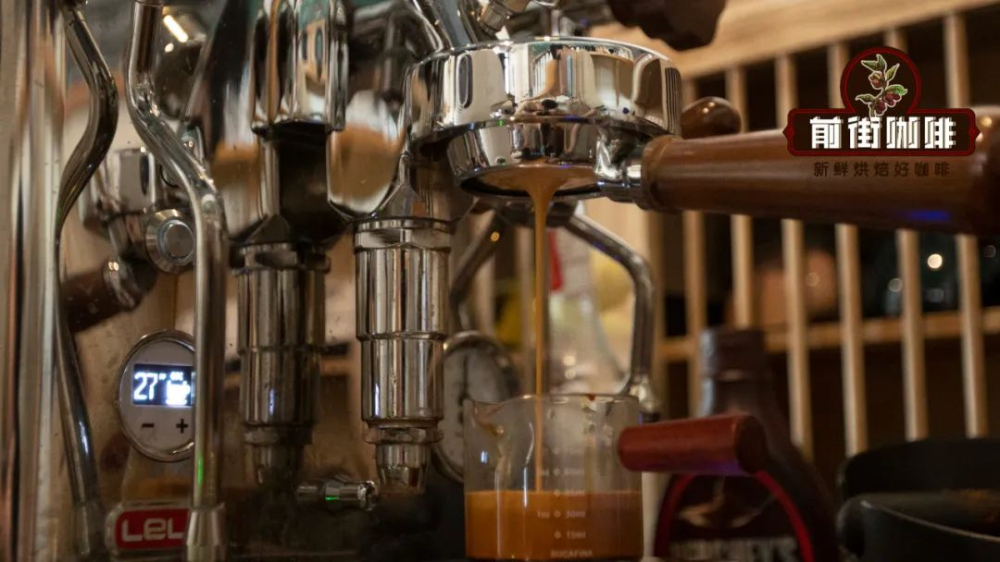
In practice, we usually follow a simple yet effective extraction formula: dose, yield weight, and extraction time. A common coffee-to-water ratio is 1:2—for example, using 20 grams of coffee grounds with a target yield of 40 grams of espresso, and an ideal extraction time of around 25 to 30 seconds.
If the extraction time is less than 25 seconds, it means the water is flowing too fast, and the coffee grounds and water haven’t been in contact long enough, which can lead to under-extraction, resulting in flavors that are overly sour and thin, and the crema may also be pale and loose. In this case, you need to make the grind finer to extend the contact time between water and coffee, allowing more flavor compounds to be released.
Conversely, if the extraction time exceeds 30 seconds, it means the water is flowing too slowly, possibly due to the grind being too fine or the tamp being too firm, causing channeling or excessive resistance, which can lead to over-extraction, with flavors becoming intense, bitter, or even burnt. In this situation, you should make the grind slightly coarser to improve the flow rate.
When adjusting, if the time deviation exceeds five seconds, it’s recommended to turn the grinder knob about 0.5 to 1 full click, and observe the changes in the next extraction; if the difference is minor (such as 27 or 28 seconds), you can fine-tune by about 0.1 click, gradually approaching the optimal range. The key to adjustment is to stabilize the extraction time within the ideal range of 25–30 seconds, rather than chasing a single perfect number.
Once you’ve used the above method to find a roughly suitable grind range, you can then make more refined adjustments based on specific flavor profiles. For example, if the extraction time falls within the ideal range but the coffee has a slightly burnt or bitter finish, you might consider reducing the yield weight, such as from 40 grams down to 37–38 grams, to avoid over-extracting and bringing out undesirable notes in the tail end.
If the coffee is noticeably bitter and off-flavors are prominent, you can try slightly coarsening the grind (usually you’ll feel a distinct click on the knob) and increasing the coffee dose slightly (e.g., by 0.1–0.3 grams) to slow the flow rate and suppress the release of excessive bitter compounds.
On the other hand, if the coffee is too acidic, thin in body, and the crema is pale, you can adjust toward a finer grind and moderately reduce the dose, allowing better water-to-coffee contact to bring out more sweetness and complexity.
You might wonder, if you’re using a 1:2 coffee-to-water ratio but the extraction time differs by five seconds, how much does that affect the flavor? In reality, in everyday drinking scenarios, a five-second difference can indeed create subtle variations in flavor details, but if your goal is to make milk-based coffee or Americanos, these small differences will be largely masked once milk or water is added. Therefore, as long as your espresso doesn’t have any obvious negative flavors and showcases the main characteristics of the coffee beans, it’s already a decent, drinkable shot.
The above content is compiled by CoffeeHunters, a coffee news website.


