








Introduction:Have you ever encountered the situation where the coffee bed rises during pour over brewing and weren’t sure why or what impact it has? The height of the coffee bed can actually significantly alter water distribution and coffee extraction efficiency. This article delves into the definition of the coffee bed, how an overly high bed forms, and its connection to under-extraction—helping you master more precise pour over techniques and improve the quality of every cup of coffee.
In the world of pour over coffee, "coffee bed rise" is a commonly mentioned phenomenon, but many beginners remain puzzled by the concept. The so-called coffee bed refers to the layered accumulation of coffee grounds in the filter during brewing, and "rise" means that this layer of coffee grounds ends up noticeably higher than the amount initially added. So, why does this happen? And how does it affect coffee extraction?

Simply put, coffee bed rise is usually caused by water encountering resistance as it passes through the coffee grounds, pushing fine particles or micro-grounds to the surface, which gradually accumulate and make the entire coffee bed appear higher than before. This often happens when the grind size is too fine, the tamping is too firm, or the pouring speed and technique are inappropriate. When the coffee bed rises, the water path may be affected, leading to under-extraction in some parts of the coffee and ultimately impacting the final flavor profile.
The state of the coffee bed is one of the key indicators for evaluating whether the pour over process is going smoothly. A uniform, flat, and stable coffee bed usually means that water flows through smoothly and the coffee is extracted evenly. On the other hand, if you notice a significant rise in the coffee bed after brewing, or even see indentations or cracks, it’s likely a sign that your brewing parameters need adjusting.

To understand the connection between coffee bed rise and under-extraction, you first need to know the basic principle of coffee extraction: when hot water passes through the coffee bed, it dissolves flavor compounds including acidity, sweetness, and bitterness. If water cannot penetrate the entire coffee bed uniformly, certain areas may not be fully extracted, resulting in what’s known as "channeling"—where water chooses the path of least resistance and bypasses other coffee grounds.
When the coffee bed rises, it often means that finer particles have accumulated toward the top, causing uneven water distribution and thereby under-extracting the coarser coffee grounds below, leading to a dull and one-dimensional taste. In addition, an excessively high coffee bed can also slow down dripping speed, extending brew time and further affecting the overall balance of extraction efficiency.
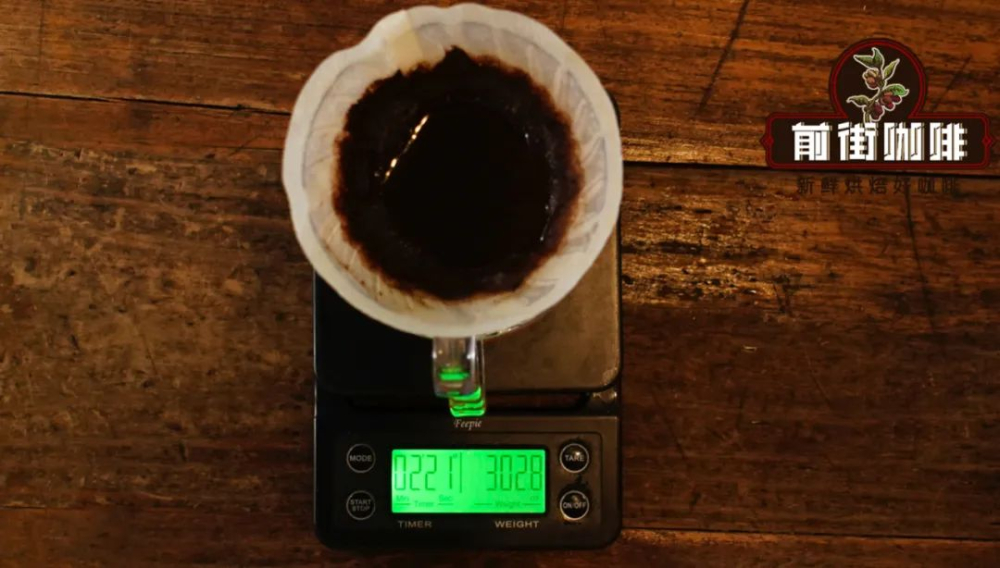
So, how do you avoid an overly high coffee bed and ensure even extraction? First, start with grind size. Generally, medium-fine grind is suitable for most pour over brewing, but if you notice abnormal rising of the coffee bed, you can try slightly coarsening the grind to reduce the chance of fine particles. Additionally, controlling the pouring speed and method is crucial—recommended is a center-out, spiral pouring technique, maintaining a steady flow and water level, and avoiding excessive disturbance of the coffee bed.
Tamping is another important factor that affects the height of the coffee bed. Although pour over generally doesn’t require the heavy tamping used in espresso, a moderate light press can help stabilize the coffee bed and reduce movement of fine particles. However, over-tamping can make it difficult for water to penetrate, leading to uneven extraction and a raised coffee bed.
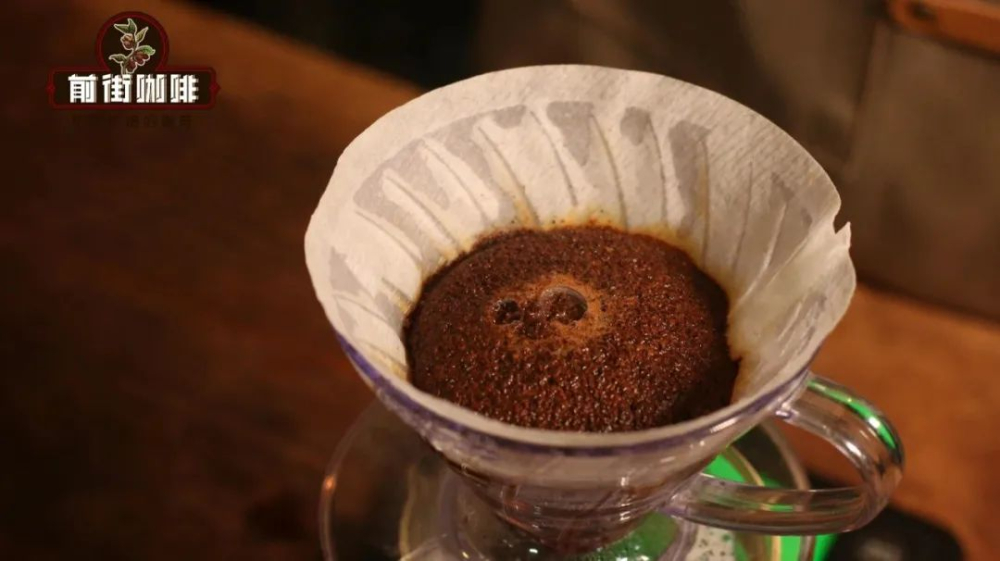
In summary, although coffee bed rise may seem like just a small detail in the brewing process, it actually reflects the combined effects of water flow, grind size, tamping, and pouring technique. By observing the state of the coffee bed, we can adjust our brewing strategy in time to avoid under- or over-extraction, thereby improving the overall performance and flavor balance of the coffee. For coffee enthusiasts aiming for precision in their pour over, mastering these details is an essential step toward better coffee.
The above content is compiled by CoffeeHunters, a coffee news website.


