








Introduction:Choosing the right pour over filter cone is crucial for brewing coffee with your desired flavor profile. Differences in shape, rib design, filter hole configuration, and material between various cones directly affect the brew’s flow rate and temperature control. This article will delve into the structural features of different filter cones and explain how to select the one that best suits your brewing habits based on these designs—helping you master the core of brewing from the ground up and make better-tasting coffee.
There is a wide variety of pour over filter cones on the market, from classic models like the V60 and Kono to the Origami, plus a myriad of materials such as ceramic, resin, and metal. This often leaves beginners unsure where to start. Behind these cone names and materials lies a wealth of brewing science, including flow rate control, temperature maintenance, and final flavor expression. This article will guide you from the basic construction of filter cones to understanding how they influence every cup of coffee you brew.
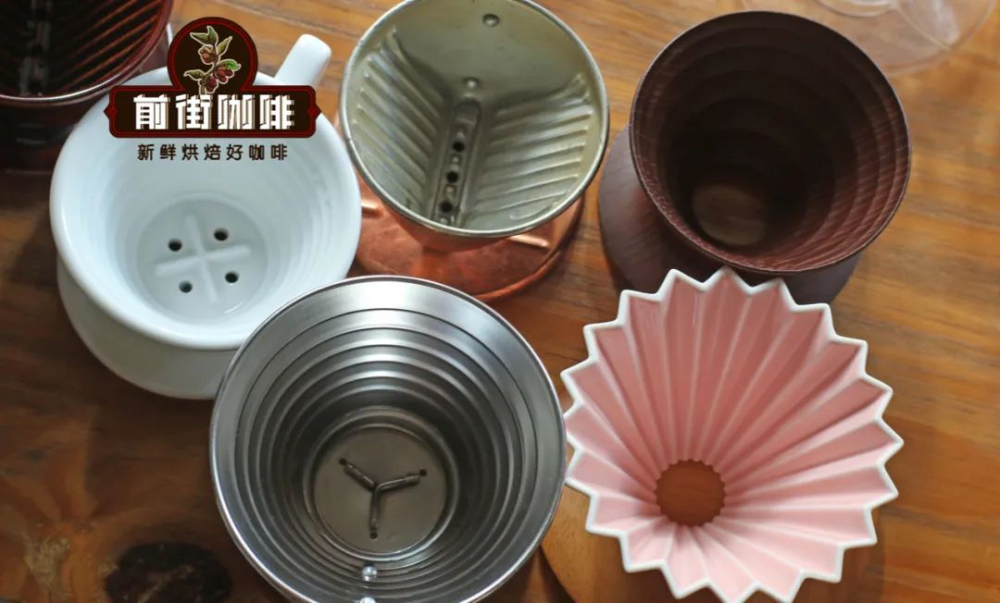
The design of each filter cone can be analyzed through four main components: cone shape, internal ribs, filter hole design, and material used. These elements may seem simple, but together they determine the speed of extraction and the ability to retain heat during the coffee brewing process. For example, the V60’s conical shape and single large hole typically allow for a faster water flow, making it suitable for brewing styles that emphasize bright acidity and layered flavors. In contrast, cones like the Kono or Melitta may use different rib arrangements and multiple holes to slow down the flow, facilitating a more thorough immersion-style extraction.

The external shape of a filter cone—such as conical, fan-shaped, or basket-like structures—directly influences the path and speed of the water flow. The ribs inside the cone wall not only support the filter paper but also guide airflow and the direction of water movement. The number, shape, and placement of the ribs alter the gap between the filter paper and the cone, thereby affecting the expansion of the coffee grounds bed and drainage efficiency. Additionally, the size and number of filter holes are key to controlling flow rate. Large holes generally allow smoother water flow, while smaller or single holes are more likely to create pressure, extending the extraction time.
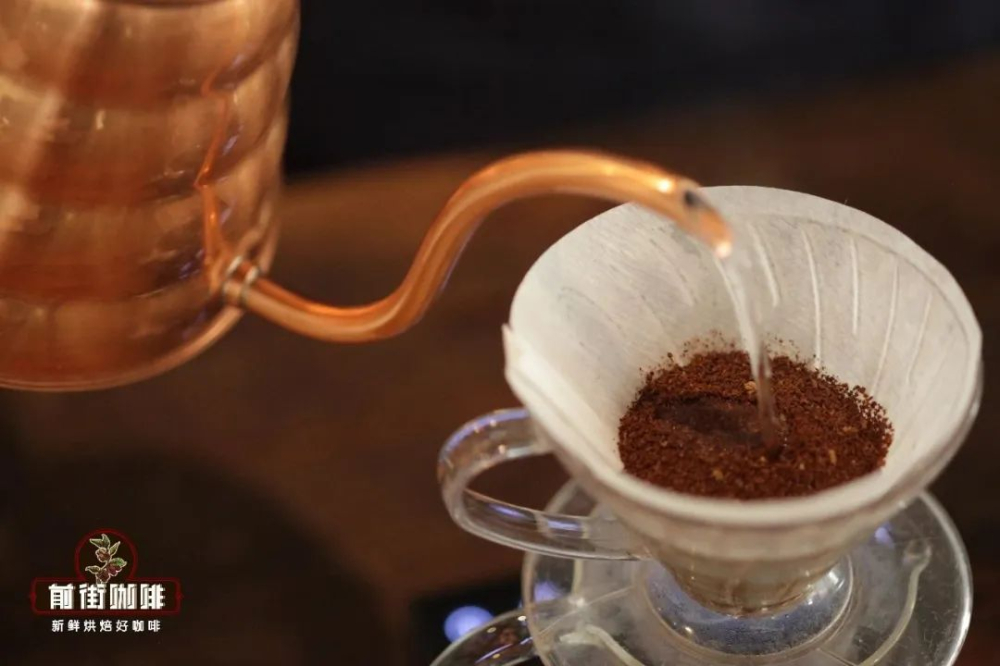
However, flow rate is not determined solely by the filter cone itself—the brewing technique also plays a significant role. Even when using a cone with a relatively fast flow rate, adjusting variables such as pouring speed, stirring method, or the number of pour stages can effectively control extraction time and thereby alter the final flavor profile. Therefore, understanding the characteristics of the filter cone is just the first step; flexibly adjusting your technique is what truly unlocks the cone’s potential.
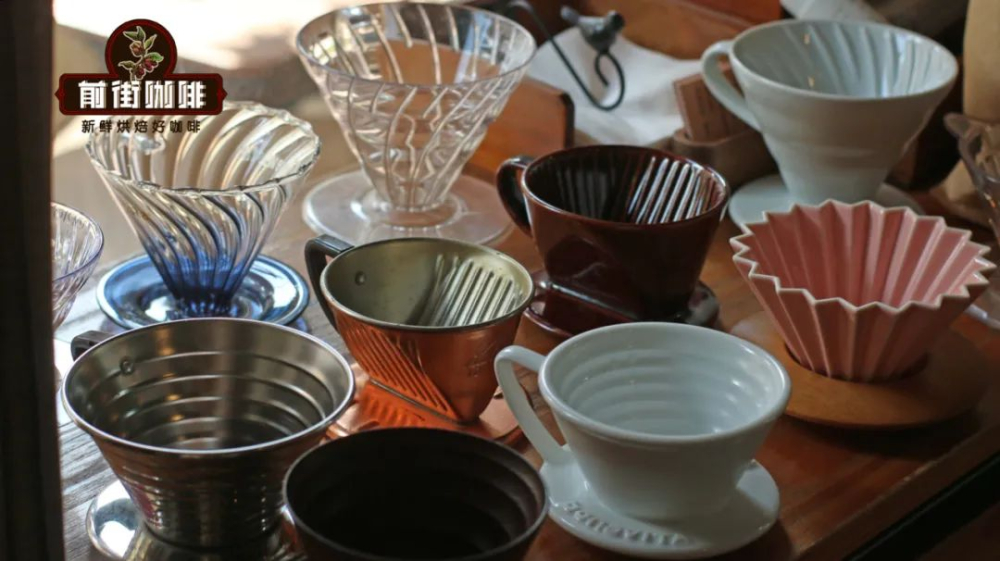
The choice of filter cone material is equally critical, primarily influencing temperature control capability. Common materials include ceramic, glass, resin (also called plastic), metal, and silicone. Among these, metal and ceramic have higher thermal conductivity, meaning they transfer heat quickly but also lose heat easily—making them suitable for brews completed in a short period. In contrast, resin and silicone have lower thermal conductivity; although they take longer to initially heat up, they offer better insulation, helping to maintain a stable water temperature throughout the brewing process—especially beneficial for longer immersion-style extractions.
Beyond thermal conductivity, “specific heat capacity” is another factor to consider when selecting filter cone material. Materials with high specific heat capacity, such as certain plastics and resins, can absorb and store more heat, reducing temperature fluctuations. However, a downside of these materials is slower heat dissipation—if your brewing environment has a low ambient temperature, a longer preheating time may be needed. While metal and ceramic heat up quickly, their lower specific heat capacity means that if the ambient temperature drops, the temperature of the brewed coffee can also decrease more readily, affecting extraction quality.
Therefore, for beginners, it’s recommended to choose a filter cone material based on your usual brewing duration and method. If you prefer quick brews—like those completed within three to four minutes using the V60—you might opt for ceramic or metal cones to enjoy the pronounced flavors brought by rapid heat transfer. If you enjoy longer immersion-style brewing or desire more stable water temperatures, consider resin or thick ceramic cones to help maintain thermal stability during extraction.
In summary, choosing a filter cone shouldn’t be based solely on appearance or brand, but rather on a comprehensive consideration of cone shape, rib structure, filter hole layout, and material properties. These factors collectively influence flow rate and temperature control—both of which are key to successful coffee extraction. Beginners are advised to familiarize themselves with basic brewing steps first, then gradually experiment with different cone and material combinations, observing their effects on flavor, sweetness-acidity balance, and body, in order to find the cone that best suits your taste preferences and technique.
Remember, there is no such thing as the “best” filter cone—only the one that is “most suitable” for you. By understanding these fundamental principles, you’ll be able to choose and adjust with greater confidence, making every pour over cup closer to your ideal flavor profile.
The above content is compiled by CoffeeHunters, a coffee news website.


