








Introduction:Craving an iced pour over in the sweltering summer heat, but worried that dark roast beans might turn out overly bitter or watery? This tutorial, centered around Golden Mandheling, will guide you through the key parameter adjustments for iced pour overs — from choosing the right coarse grind suited for dark roasts and controlling lower water temperatures, to the golden ratio of ice to water. We break down each step with practical details to help you avoid common pitfalls and consistently brew rich, smooth cold-drip flavors without astringency.
When temperatures soar and even die-hard hot coffee fans switch to iced drinks, iced pour overs made with dark roast beans actually reveal surprisingly layered flavors. But beware — the extraction logic for dark roasts is vastly different from that of light roasts. The wrong water temperature or coffee-to-water ratio can easily make your coffee taste overly sharp, bitter, or as thin as water. This time, we’ll use the classic Golden Mandheling as an example to fully dissect a summer-appropriate iced pour over process for Taiwan.

SelectionMedium-coarse Grind Size(similar to white sugar granules) is the foundation for iced pour overs with dark roast beans. Too fine will lead to over-extraction, making bitterness more pronounced once condensed by the ice; too coarse results in under-extraction and a thin flavor. When using a hand grinder, adjust to#20–#22 mesh(fine-tune slightly depending on your grinder model) to ensure grind consistency.

Water temperature control is key. It’s recommended to brew withhot water at 80–85°C, not room temperature. Many assume iced pour overs must use cold water, but an appropriately warm temperature helps bring out the caramel and nutty notes of dark roasts, which are then locked in by the ice. Using room temperature water directly often leads to insufficient extraction.

The recommended coffee-to-water ratio is1:12 to 1:15(for example, 15g of coffee to 180–225ml total liquid). Ice should make upone-third to one-halfof the total volume (about 60–110g), with the remaining space filled with hot water for extraction. This ratio balances dilution from the ice and flavor concentration, preventing the brew from becoming either too weak or too intense.
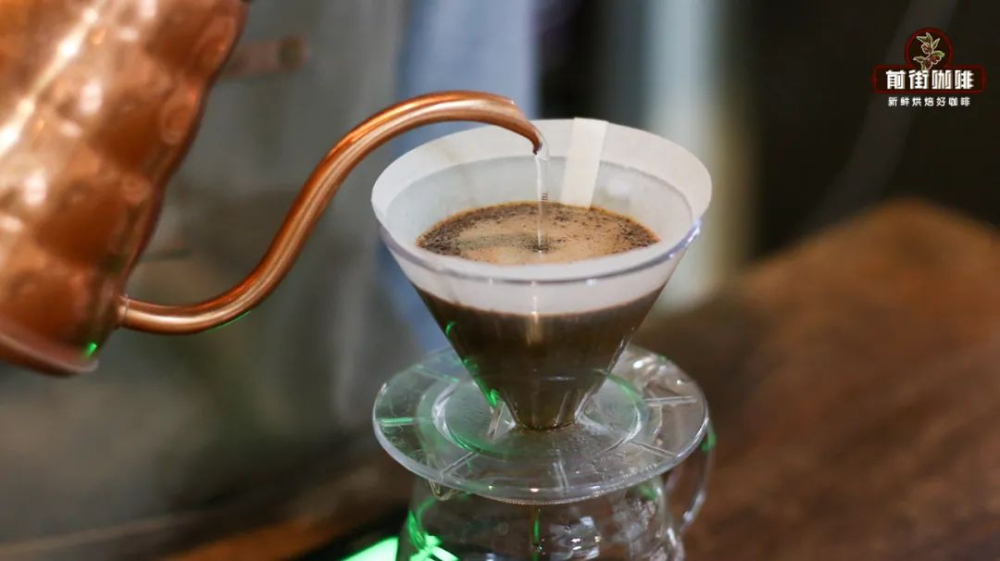
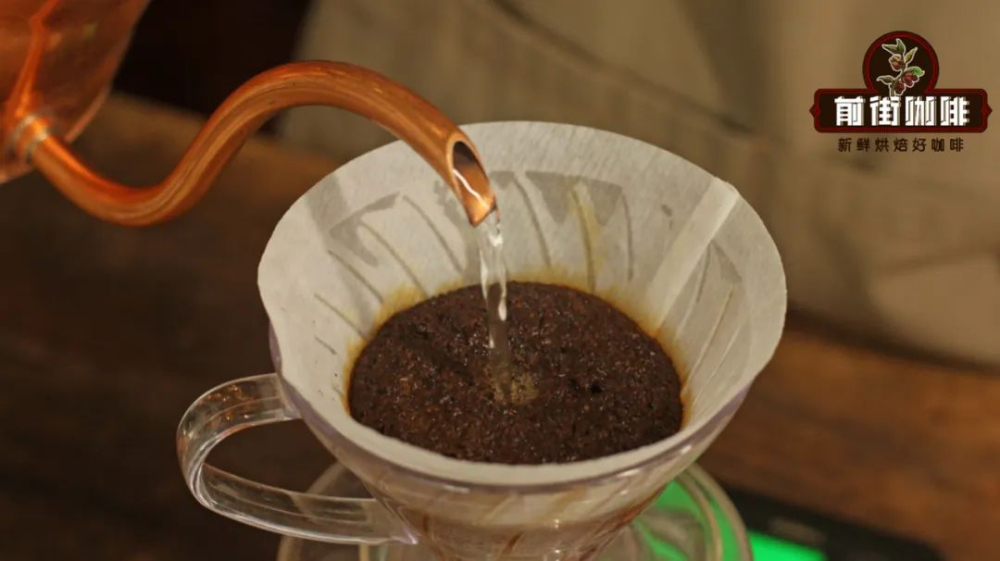
For pouring, use thecenter-slow pouring method, spiraling from the inside out with a water column about 5–8 cm high. Begin by pouring 30% of the total water volume (for example, 50g of water) for a 30-second bloom; then pour the remaining water in 2–3 increments, keeping the total brew time between2 minutes 30 seconds and 3 minutes. Maintain a steady water flow to avoid channeling caused by disturbing the coffee bed.

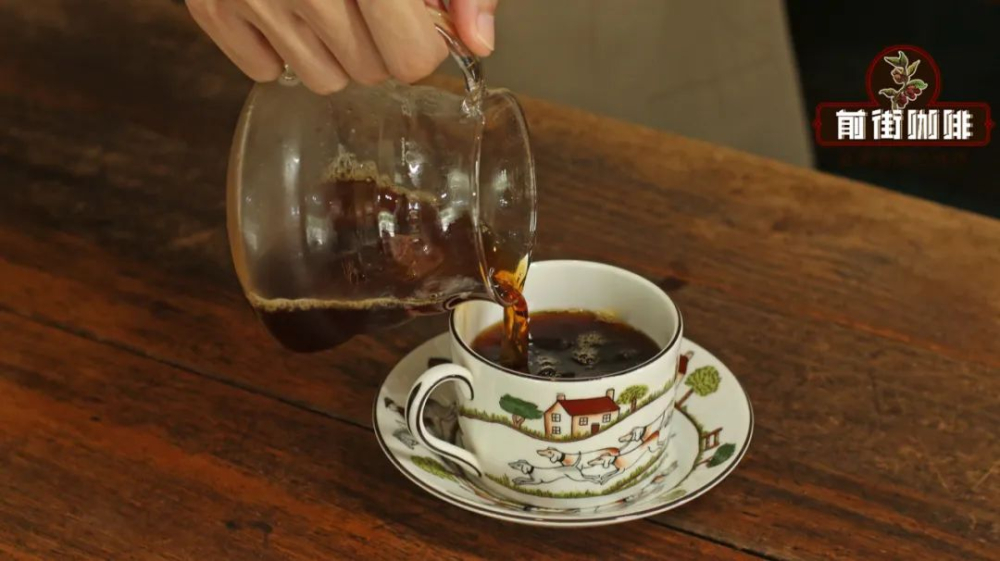
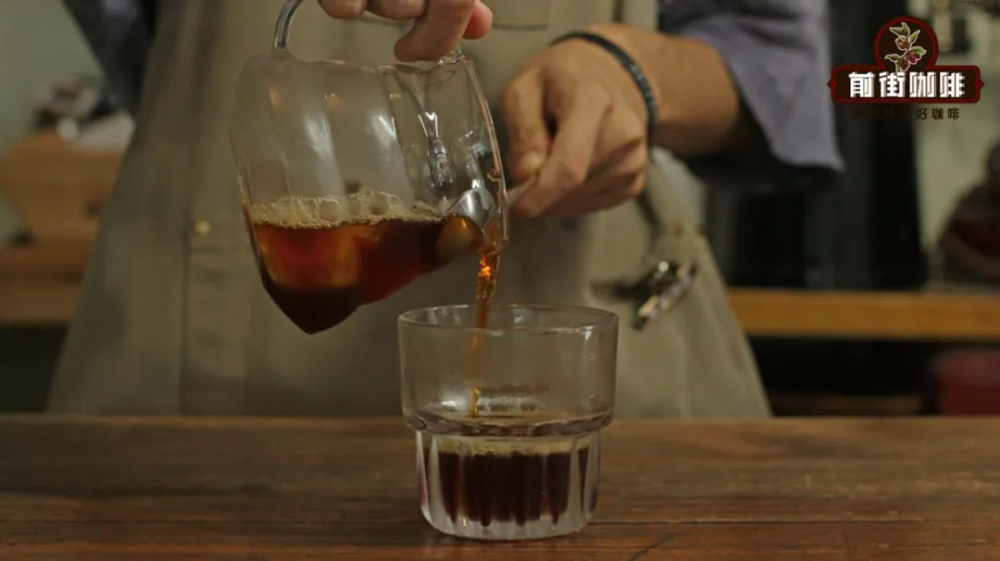
After brewing, place the filter dripper directly onto a server filled with ice, allowing the coffee to slowly drip through the ice. This step further cools the brew and condenses impurities while preserving a rich mouthfeel. For a faster method, you can use a pre-chilled glass bottle at 4°C to catch the coffee, but be sure to adjust the ice ratio accordingly.
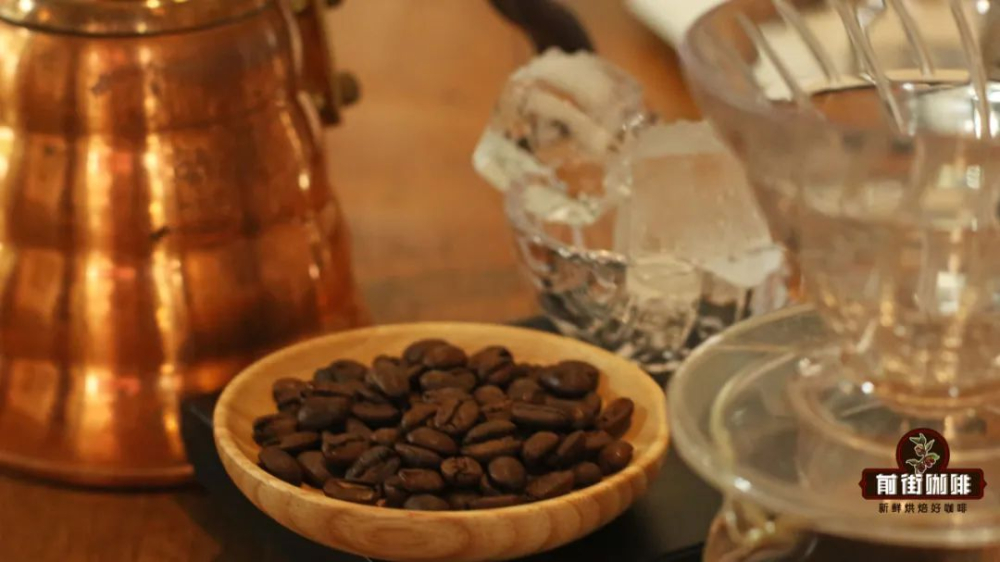
Common mistakes to avoid: don’t use a metal filter. Fine particles from dark roasts can settle and make the taste overly gritty. It’s better to use a cloth filter or professional resin dripper, along with pre-wetted filter paper to minimize paper taste interference. Also, it’s recommended to consume the brewed coffee within15 minutesas melting ice can affect the flavor balance.
Golden Mandheling, as a representative of dark roasts, will showcase notes of dark chocolate, maple syrup, and a hint of smoky finish when brewed iced. If you prefer brighter acidity, try adjusting the grind toa slightly medium-fine level(#22–#24 mesh) and shortening the bloom time to 20 seconds, but closely monitor the risk of over-extraction.
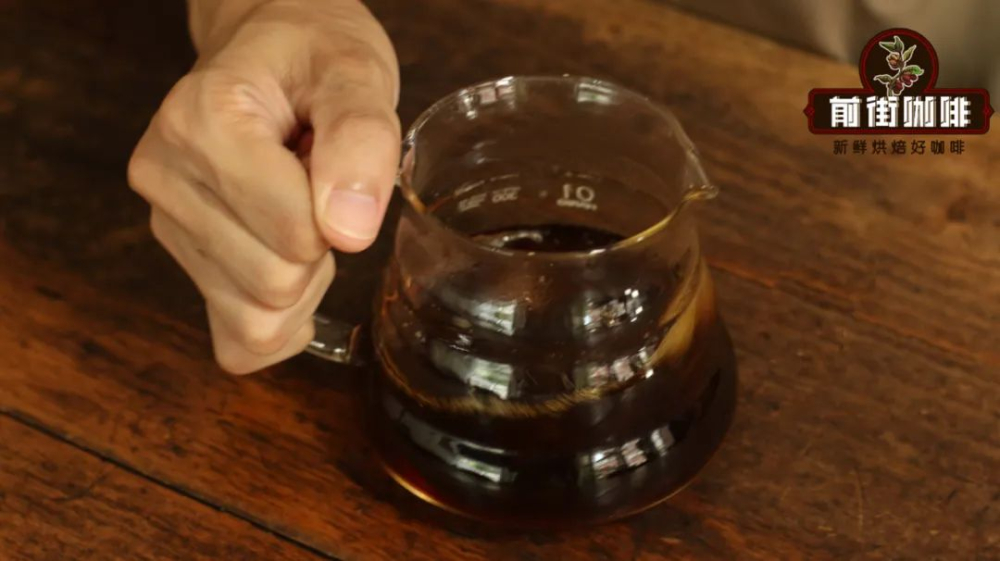
Summary: The key to a successful iced pour over with dark roast lies in “controlling temperature, grind, and time.” A coarse grind preserves a full-bodied base, moderate water temperature highlights layers, and ice locks in the flavors. With a few practice rounds, you’ll find your own golden ratio and enjoy a profound, refreshing iced coffee experience that rivals hot brews.
The above content is compiled by CoffeeHunters, a coffee news website.


