







Category: Coffee Knowledge

Controversy over viral coffee shop near Hangzhou elementary school: How to balance campus-area attire and community atmosphere?
Recently, a viral coffee shop located across from an elementary school in Hangzhou has sparked concern among parents due to the frequent gatherings of customers dressed casually for photos. With the popular check-in spot being less than 200 meters from the school, is it appropriate to have such a business in a school vicinity? This article delves into the balance between commercial spaces near campuses and their surrounding social atmosphere, exploring perspectives from the community environment, parental views, business positions, and online feedback. [more…]
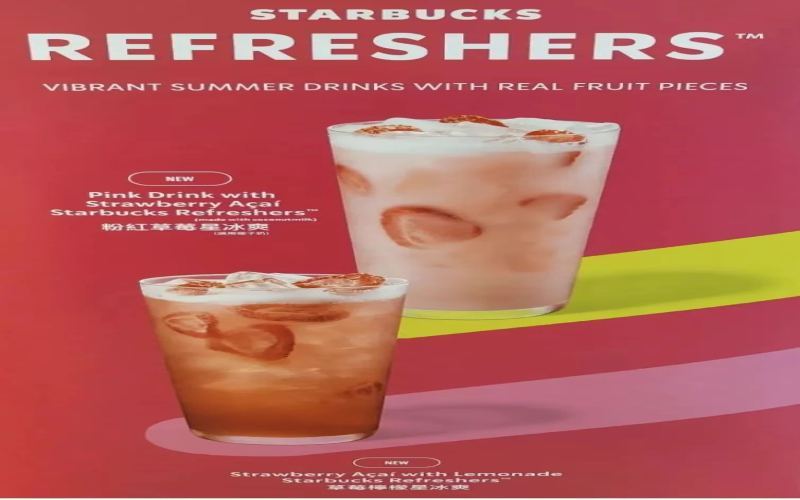
How much caffeine is in Starbucks' powdered raw coffee? Real-world testing and analysis of caffeine content from raw bean extraction and weight loss effects
Although recently launched Starbucks products such as "Powdered Raw Coffee" do not contain traditional coffee, they contain 45 to 55 milligrams of caffeine due to the addition of raw coffee bean extract. What is the basis for the formulation and health claims behind these "raw coffee" drinks? This article delves into the characteristics of raw coffee bean extract, the differences in weight loss effects compared to roasted coffee, and provides experimental data to help you understand the true value of these trendy beverages. [more…]

Analysis of the 1-Liter Iced Latte Trend: Cost-Performance and Flavor Balance Tips for Large-Volume Options
In recent years, the coffee market has followed in the footsteps of the tea beverage industry by introducing oversized iced lattes exceeding 1 liter in volume. These products have sparked discussion with their surprising capacity and affordable prices. Typically containing 3 to 4 shots of espresso and a large amount of milk, they cater to consumers looking to satisfy their caffeine needs in one go. But does the high proportion of milk affect the original flavor of the coffee? This article delves into the market trend of 1-liter iced lattes, their actual composition, consumer experiences, and offers advice on selection and consumption. [more…]
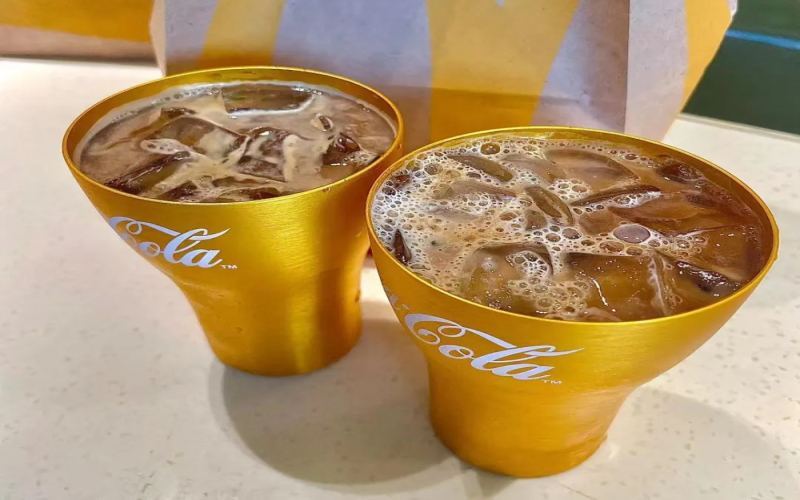
McDonald's 'Gold' Campaign Sparks Creative Bring-Your-Own-Cup Trend, Highlighting Internet Users' Ingenious Participation
McDonald's recently launched a 'Gold'-themed promotion where customers can get a free milk coffee by bringing their own non-disposable container featuring gold elements. Even before the official launch, netizens had already embarked on a 'Gold Hunt', showcasing wildly creative participation methods ranging from metal cutlery to imaginative props. This article will take you through some of the funniest examples from the campaign and analyze how McDonald's uses the 'gold' theme to engage with consumers and enhance brand interaction. [more…]

Analysis of Starbucks' Transgender Ad Controversy in India: How Brand Marketing Navigates Culturally Sensitive Issues
Starbucks launched a heartwarming advertisement centered on transgender issues in India, sparking highly polarized public reactions. This article delves into the content of the ad featuring a well-known transgender actor, the public response, and the brand’s official stance, helping readers understand the opportunities and challenges in cross-cultural marketing and exploring how brands can strike a balance amid diverse values. [more…]
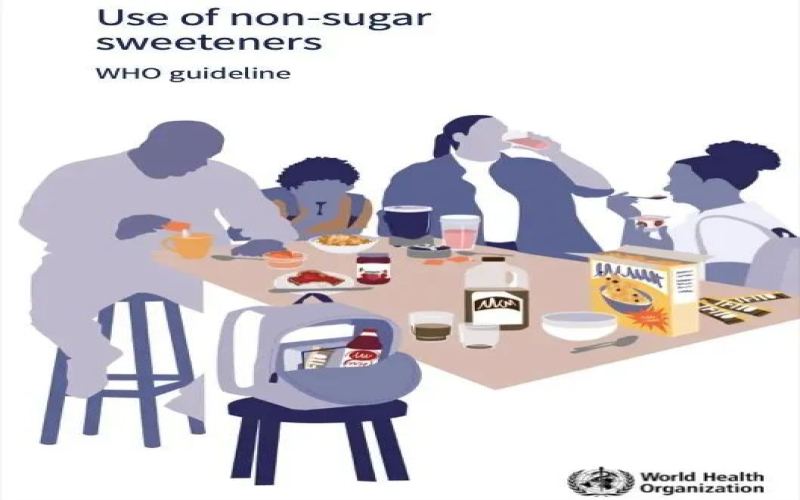
Are non-sugar sweeteners really healthy? Latest WHO research reveals link between sugar substitutes and obesity risk
Do you think zero-calorie sweeteners are a great helper for controlling sugar intake and losing weight? The latest guidelines from the World Health Organization (WHO) indicate that long-term consumption of non-nutritive sweeteners not only fails to aid in weight loss but may also increase the risk of obesity, type 2 diabetes, and cardiovascular diseases. This article delves into the common types of artificial sweeteners flagged by WHO, clarifies the differences among sugar alcohols, explores how sweeteners interfere with satiety mechanisms, and cites a University of Southern California laboratory study revealing their potential impact on brain appetite responses. [more…]
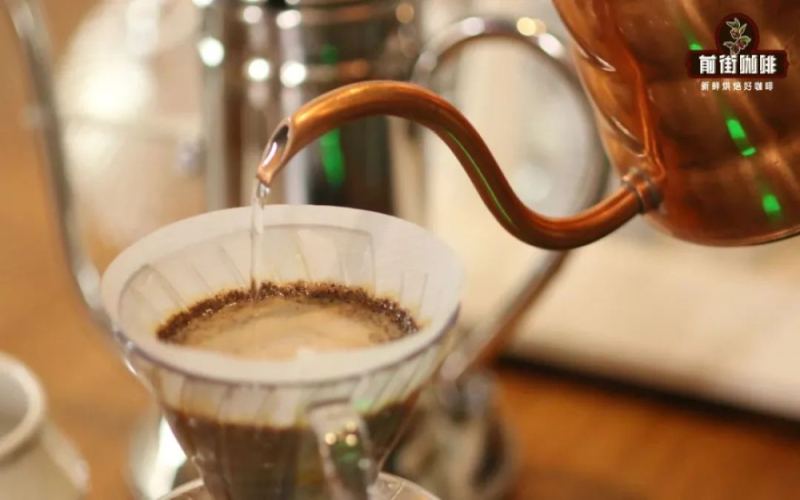
What’s the difference between the single-pour and three-pour methods in pour over coffee? See how brewing techniques change the flavor
The pouring techniques in pour over coffee are endlessly varied, among which "single-pour" and "three-pour" are two mainstream methods frequently discussed by coffee enthusiasts and professional baristas. These two methods not only differ significantly in their operational logic, but also have varying impacts on water flow control, extraction time, and even the final flavor expression of the coffee. This article analyzes the operational details, coffee bed changes, and flavor differences between the two through a practical comparison experiment to help you find the brewing strategy that best suits you. [more…]
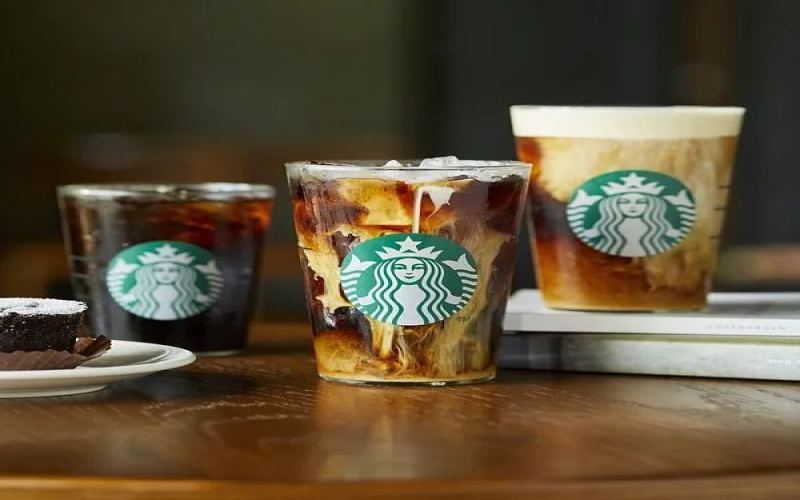
Starbucks Fruit Fizz Cold Brew Coffee Trial: A Refreshing Summer Drink – More Liked Without the Coffee?
The fruit fizz cold brew coffee series launched by Starbucks combines cold brew with fresh fruit flavors, becoming a hot topic for the summer. However, many consumers have reported that the version without coffee is actually more popular. This article takes an in-depth look at the flavor profile and formulation design of this beverage, discusses the pros and cons of pairing cold brew with sparkling elements, and shares expert insights on cold brew coffee to help you better understand this controversial new product. [more…]
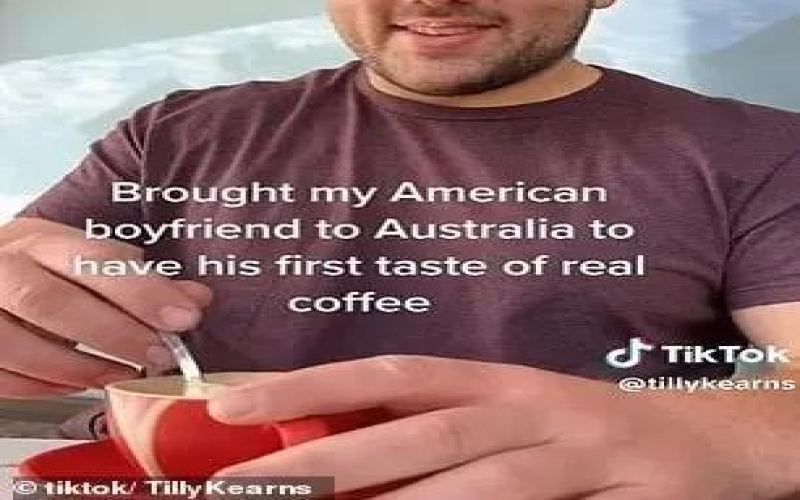
Must-Knows About Coffee in Australia: Why Not Stir Flat White or Latte? Ordering Tips & Local Culture Explained
In Australia, if you stir your latte or flat white with latte art as soon as you take the first sip, you might get some strange looks from the locals. This isn’t just about etiquette—it’s closely tied to Australia’s unique coffee culture. This article dives deep into the local characteristics of Australian coffee, exploring why it’s not recommended to stir flat whites or lattes, offering practical tips for ordering, and explaining the origins of special drinks like piccolo and SOE. It’ll help you better understand the nuances when enjoying coffee and make you feel more at home in international cafés. [more…]

Front Street Coffee Baristas Speak Out: How Ice Quantity, Sugar/Milk Removal, and Unusual Orders Affect Preparation Efficiency
Recently, Luckin’s iced drinks have drawn customer dissatisfaction due to excessive ice and reduced drink volume after removing ice. Many have started sharing so-called “cost-effective ordering strategies” on Xiaohongshu, ranging from specifying ice amounts to removing sugar and milk, and even requesting unusual ingredients like cilantro. While these may seem like smart consumer tactics, they place immense pressure on frontline baristas. This article delves into how these special requests actually impact the preparation process and uncovers the misunderstandings and conflicts between customers and baristas. [more…]
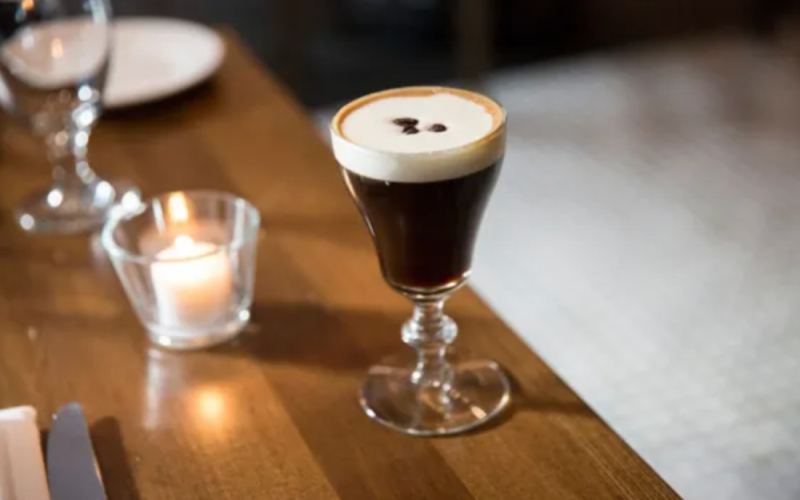
Innovative Baijiu Coffee Drinks: From Moutai Dirty to Wuliangye Specials — A Taste of New Chinese Style
What kind of flavor experience emerges when traditional baijiu meets modern coffee? In recent years, combinations of Chinese baijiu — from Moutai to Wuliangye — with coffee have rapidly gained popularity, becoming a new beverage trend chased by younger consumers. This article will delve into the evolution of baijiu coffee, explore its flavor characteristics and market phenomena, and introduce you to the innovative thinking and consumer trends behind this new wave of Chinese-style coffee culture. [more…]
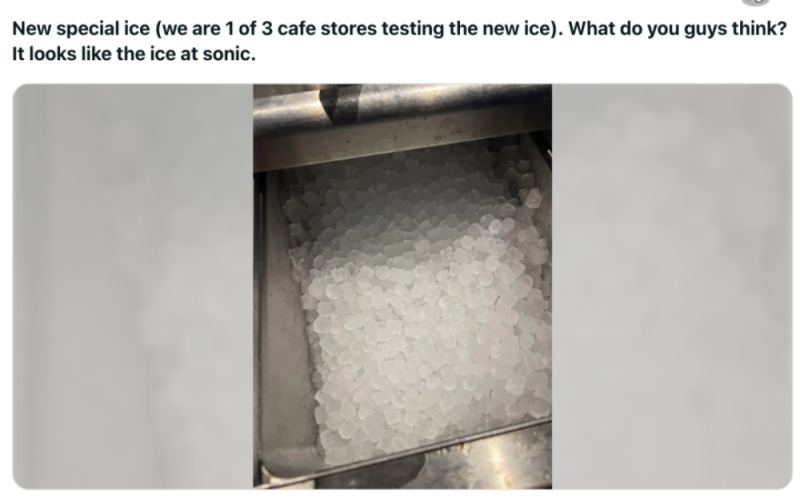
Starbucks switches to smaller ice cubes!Enhanced texture but fears of faster dilution? Unveiling the eco-friendly and flavor impacts
Starbucks has recently and quietly changed the type of ice cubes used in its cold beverages. The new ice cubes are finer and have a crispier texture, sparking heated discussions among consumers. The company claims this move aims to improve the experience of drinking iced beverages while also reducing water consumption during the ice-making process. However, many customers worry that the smaller ice cubes may melt faster, potentially affecting the flavor of the drinks, with some even questioning whether this is a way to reduce the actual amount of ice served. This article takes an in-depth look at the reasons behind Starbucks’ ice strategy, the polarized feedback from consumers, and offers practical insights on how ice affects coffee flavor. [more…]

Taiwan coffee shop sparks privacy controversy over negative review – Legal analysis of customer data exposure
A coffee shop in Taiwan publicly disclosed a customer’s personal information and that of their acquaintances, along with surveillance footage, after receiving a negative review. The shop even included insulting remarks, triggering widespread condemnation online. This article provides an in-depth analysis of the incident, clarifies the legal liabilities involved—including public insult, aggravated defamation, and violation of privacy rights—and reminds consumers of key points when safeguarding their rights. It also explores how coffee shop operators should properly handle negative reviews. [more…]
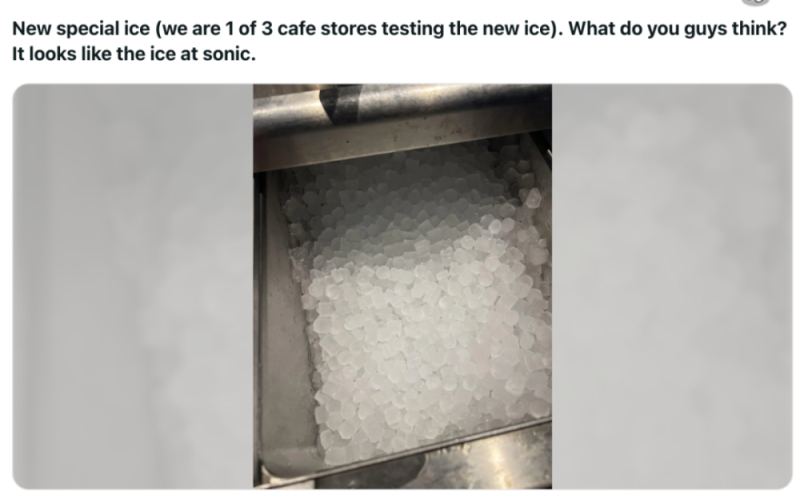
Starbucks switches to crushed ice cubes! Water-saving and enhanced taste, all US stores to upgrade in the future
Starbucks recently announced it will gradually replace the type of ice used in cold drinks — switching from traditional large ice cubes to finer, crunchier crushed ice. This move not only responds to consumer demand for “ice texture,” but the new ice-making technology is also more water-efficient and environmentally friendly. However, the change has sparked mixed reactions: some love the new ice texture, while others worry it may melt too quickly and affect flavor. This article explains the reasons behind Starbucks’ ice cube transformation, the official statements, market feedback, and explores its actual impact on beverage experience. [more…]
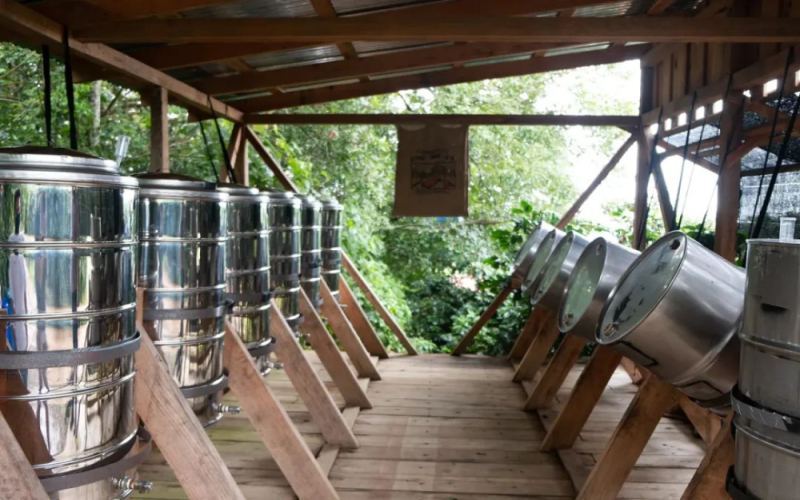
Complete Guide to Anaerobic Enzymatic Processing | Debunking Flavor-Enhanced Bean Myths & Insights from WBC Champions
As the specialty coffee market evolves, anaerobic processing has become a key technique for many producing regions to break through flavor limitations. This article delves into the principles of anaerobic enzymatic processing, clarifies its fundamental differences from flavor-enhanced beans, and, through the professional insights of world championship winners, helps you understand how this technique transforms the way coffee flavors are presented—assisting coffee enthusiasts in making more informed choices. [more…]

Starbucks' Oleato olive oil coffee is coming to China! Its greasy taste and potential gastrointestinal risks spark discussion
Starbucks plans to introduce its olive oil-infused Oleato coffee to the Chinese market. This innovative beverage, spearheaded by former CEO Howard Schultz, was first launched in Italy in February 2024 before rolling out successively in the United States and Japan. However, consumers have been increasingly vocal about its greasy texture and reports of digestive discomfort. This article takes an in-depth look at the product concept behind Oleato, its market reception, and the challenges and opportunities it faces as it enters China. [more…]

Analysis of the Starbucks Star Gift Card Late Management Fee Dispute | Activation, Deduction Rules, and Consumer Rights
The Starbucks Star Gift Card has sparked widespread controversy due to its late management fee mechanism, with many consumers unknowingly being charged monthly fees after their cards expired. This article provides an in-depth analysis of the Star Gift Card activation process, validity rules, calculation of late fees, and explores common consumer misconceptions as well as official statements, helping readers avoid potential dispute points when purchasing and using the Star Gift Card. [more…]
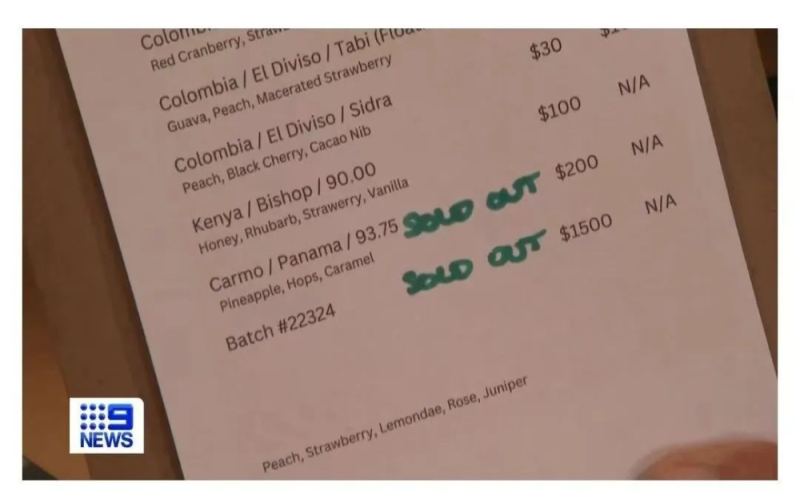
A $1500 pour over coffee in Sydney? Unveiling the flavors and brewing secrets of the rare BATCH #22324 beans
A café in Sydney, Australia, has launched one of the world’s most expensive pour over coffees — priced at $1,500 AUD (approximately 7,000 RMB) per cup, with reservations required two weeks in advance. What makes this top-tier pour over, crafted from rare high-altitude Panamanian beans, command such an astonishing price? From the bean's origin and flavor profile to expert brewing parameters, we take you deep into the ultimate coffee experience that moves customers to tears. [more…]

Dirty Coffee Ice Cup Practical Test Analysis: Key Differences in Three Temperature Cup Variations and Layering Effects
Dirty Coffee, with its striking hot-and-cold layering and strong visual contrast, has become a favorite among many coffee enthusiasts. However, whether it's necessary to pre-chill the cup during preparation has long been a topic of discussion in the industry. This article conducts practical tests using glass cups at three different temperatures—room temperature, refrigerated, and frozen—to analyze the differences in layering effects and their duration under various conditions. It also delves into the actual impact of milk quality and cup temperature on the overall flavor, helping you master the art of crafting a Dirty Coffee that excels in both visuals and taste. [more…]

Russian Breastmilk Cappuccino Debuts: Analysis of the 650-Ruble Sky-High Price and Market Controversy
While most coffee enthusiasts are still debating the flavor differences between oat milk and ibsens, a café in Perm, Russia has launched a shocking innovation — a breastmilk cappuccino. Priced at a staggering 650 rubles, this special coffee drink is four times the cost of a regular milky coffee, sparking widespread discussion. This article delves into the production background, market reactions, and relevant regulatory restrictions of this unique beverage, taking you behind the details and controversies of this bold creation. [more…]