








Introduction:Have you ever wondered why many SOEs (single origin espressos) often have a noticeable acidity when you take your first sip? This is closely related to the use of single-origin beans and specific roasting methods. This article will break down the fundamental differences between SOEs and traditional espresso blends, trace the historical evolution from post-war blends to the specialty coffee movement’s return to single origins, and—using the 2007 WBC competition as a turning point—analyze the core reason behind the characteristic acidity of SOEs: how roast levels influence acidity expression. Understanding these factors can help you make smarter choices when selecting an espresso that suits your personal taste.
In the era when specialty coffee was not yet widespread, almost all espresso was made using single-origin beans, with no clear distinction between “SOE” or “blend.” Due to limitations in transportation and information, cafes could only use locally available or easily accessible beans, which often varied greatly in quality and frequently had noticeable defect flavors. It wasn’t until after the war, as international trade flourished, that baristas began experimenting with blending beans from different origins in pursuit of more stable and balanced flavors. This gradually led to the concept of the familiar “espresso blend.”

The so-called “blend espresso” refers to combining two or more types of coffee beans from different regions, varieties, or processing methods in specific proportions, then roasting and extracting them together. The advantage of this approach is that it leverages the complementary characteristics of different beans to create an espresso that is rich in crema, balanced in mouthfeel, and layered in flavor. For example, some commercial blends may include a small amount of Robusta beans to boost intensity and body while reducing costs, but to avoid the characteristic harsh bitterness of Robusta, they’re usually paired with other high-quality Arabica beans to balance the cup.
On the other hand, “SOE” stands for “Single Origin Espresso,” meaning espresso made using beans from a single origin. This method allows the unique flavor characteristics nurtured by the region’s altitude, microclimate, soil, and processing methods to be fully expressed—such as bright citrus notes, rich floral aromas, or intense tropical fruit scents.
In fact, the rise of SOE is inseparable from the development of specialty coffee. As the core of the third wave coffee movement, specialty coffee emphasizes the inherent quality and regional character of the coffee itself, rather than simply pursuing intense or bitter flavors. Under this trend, single-origin coffees stood out for their ability to clearly express origin-specific traits, particularly shining in the pour over category. As consumer demand for flavor diversity grew, this trend toward premiumization gradually extended to espresso, giving rise to SOE in this context.
Looking back at history, traditional espresso was almost entirely based on blends, with baristas dedicating significant effort to adjusting blend ratios in hopes of creating a balanced, everyday-friendly coffee. That changed in 2007 at the World Barista Championship (WBC), when British barista James Hoffmann won the championship using an SOE coffee—sending shockwaves through the coffee world. It turned out that single-origin beans could also produce an espresso with vivid, layered flavors, completely overturning the long-held belief that “only blends could make good espresso.”
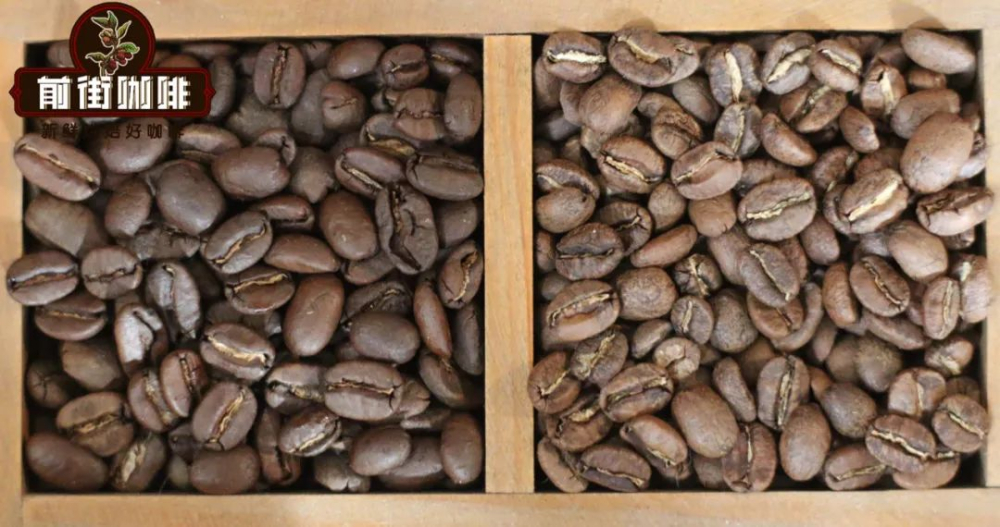
So why do many of the SOEs we drink today tend to have a more pronounced acidity? The key lies in the relationship between roast level and flavor expression. Generally speaking, medium to light roasted beans retain more of the bean’s original acidity, often manifesting as bright fruit acids (like lemon or apple), floral notes, or even tea-like qualities, resulting in a fresher, livelier overall profile. In contrast, medium-dark or dark roasted beans, due to prolonged exposure to high heat, undergo significant breakdown of acidity, instead emphasizing sweet and full-bodied flavors like caramel, chocolate, and nuts.
Many cafes, already offering richly dark-roasted blends, introduce SOEs with distinctly different flavor profiles to provide customers with more variety. These SOEs are typically medium to light roasted to highlight their unique fruity and acidic notes, thus contributing to the common perception that “SOEs are more acidic.” However, this doesn’t mean all SOEs are acidic—choosing a medium-dark roasted single-origin bean can also showcase rich caramel, spice, or even dark chocolate flavors.
In summary, the biggest difference between SOE and espresso blends isn’t just the origin of the beans, but also the way flavors are expressed and the roasting strategies employed. Understanding these differences can help you choose the type of espresso that best matches your taste preferences—whether you prefer a bright, refreshing acidity or a rich, full-bodied caramel flavor, there’s a cup out there for you.
The above content is compiled by CoffeeHunters, a coffee news website.


