







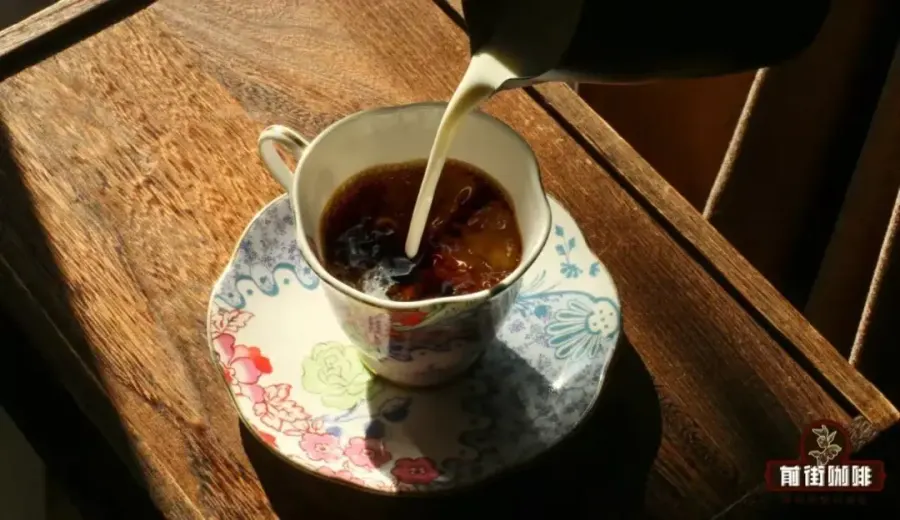
Introduction:Don’t have an espresso machine or moka pot at home but still want to enjoy a rich cup of milk coffee? This article delves into practical methods for making lattes and espresso using powdered milk instead of fresh milk, covering optimal ratios, step-by-step instructions, and key considerations for both pour over and espresso scenarios. It not only breaks down the principle of how powdered milk approximates fresh milk but also provides specific powder-to-water ratios, water temperature guidelines, and recommended coffee beans to help you get started easily—whether you prefer hot drinks or iced coffee.
Not every coffee enthusiast owns professional brewing equipment, but if you want to enjoy a smooth, milky coffee at home, there’s actually a simpler way. Addressing the common question of whether powdered milk can replace fresh milk in making lattes, this article takes a practical approach, combining common brewing methods to analyze in detail the feasibility, proportion suggestions, and precautions for using powdered milk in both pour over and espresso applications. It not only clarifies the principle behind milk restoration but also offers concrete data such as coffee dosage, water temperature, and brew ratios, helping you easily prepare a well-balanced milk coffee.
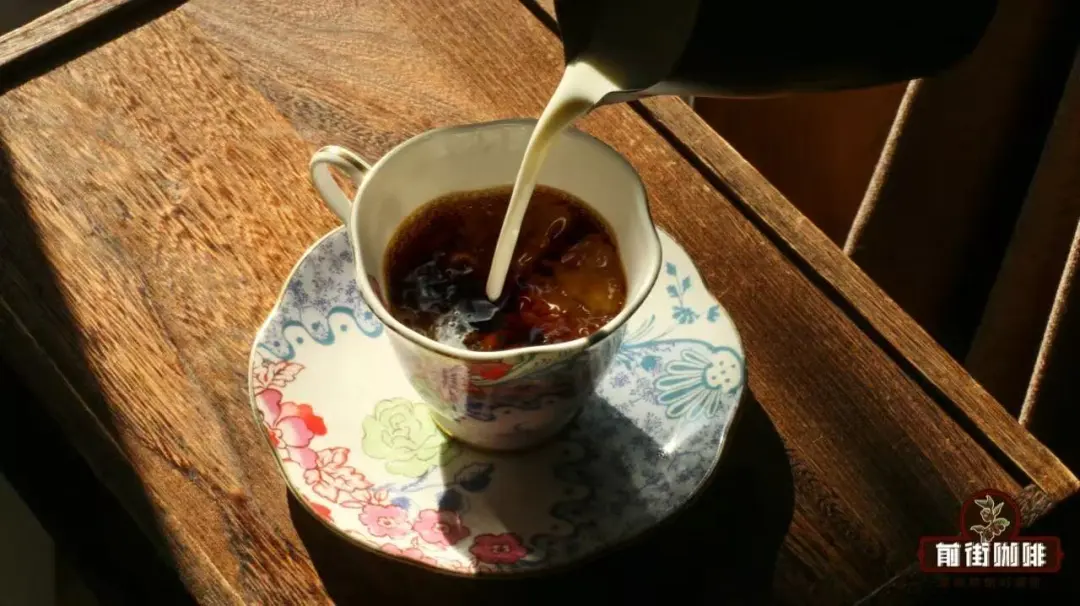
While modern people may have access to various coffee tools, not everyone always has an espresso machine or moka pot on hand. Even if you own these tools, they’re not always convenient to carry around. Methods like pour over or French press can brew black coffee with a certain strength, but the process is relatively complex, and the lack of extraction pressure often makes it difficult to achieve the intense richness of espresso. So, is there a simpler, equipment-free way to make delicious milk coffee?
The answer is using powdered milk as a substitute for fresh milk. Many readers have asked in comments: “Can I use powdered milk instead of fresh milk to make milk coffee?” The answer is yes. It’s not only feasible for daily life but occasionally seen used by competitors in international coffee competitions as well. Powdered milk is essentially milk that has been dehydrated and concentrated into powder form; simply rehydrate it with hot water to restore its dairy properties, allowing it to blend with coffee to create a milk coffee rich in flavor.

So, does milk coffee made with powdered milk really work? In principle, when mixed with hot water, powdered milk can be restored to a texture and flavor close to that of fresh milk. When this “reconstituted milk” is combined with coffee, you can easily create a beverage that balances coffee and milk aromas. More importantly, since the coffee replaces water in the rehydration process, it’s easier to control the overall flavor intensity and balance—you can adjust the ratio according to personal taste while preserving the original layers and aftertaste of the coffee.

However, while it works in theory, some details still need attention in practice—such as appropriate ratios for different brewing methods, water temperature control, and recommendations for pairing powdered milk with coffee grounds. The following sections will explain how to apply powdered milk in both pour over and espresso scenarios, providing detailed reference ratios and techniques.
I. Pour Over Coffee with Powdered Milk: Ratio and Bean Selection Are Key
If you usually brew coffee using the pour over method and want to try adding powdered milk to make milk coffee, the first thing to focus on is the ratio between coffee and powdered milk. It’s recommended not to use too much powdered milk, as excessive milk flavor may mask the aroma and complexity of the coffee itself. In terms of coffee bean selection, though there are no absolute restrictions, it’s advised to choose beans with a richer flavor profile to help maintain the coffee’s main character even after adding milk.
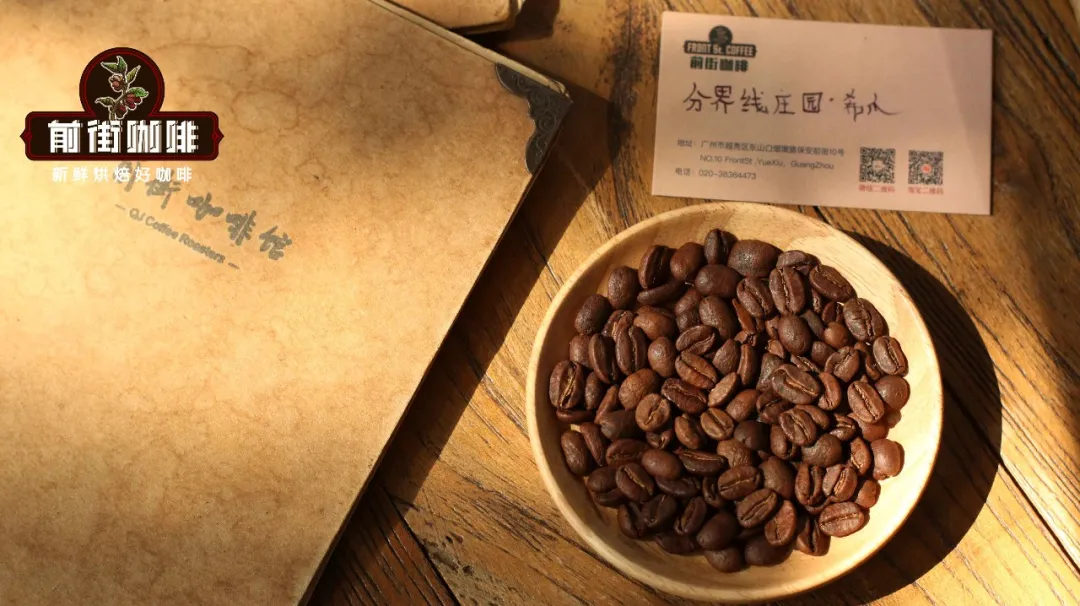
For example, a well-known coffee brand’s Boundary Line Estate · Geisha is a great recommended choice. This coffee bean is medium-light roasted and undergoes anaerobic sun-dried processing, offering intense flavors of grape, apricot, passion fruit, and floral notes. It performs excellently whether brewed via pour over, espresso, or with the addition of milk. For practical use, it’s suggested to use 20 grams of coffee powder, extracted at a 1:14 powder-to-water ratio, with a grind size of about 75%–80% passing through a #20 sieve, and water temperature controlled at 92°C, with an extraction time of about 2 minutes.

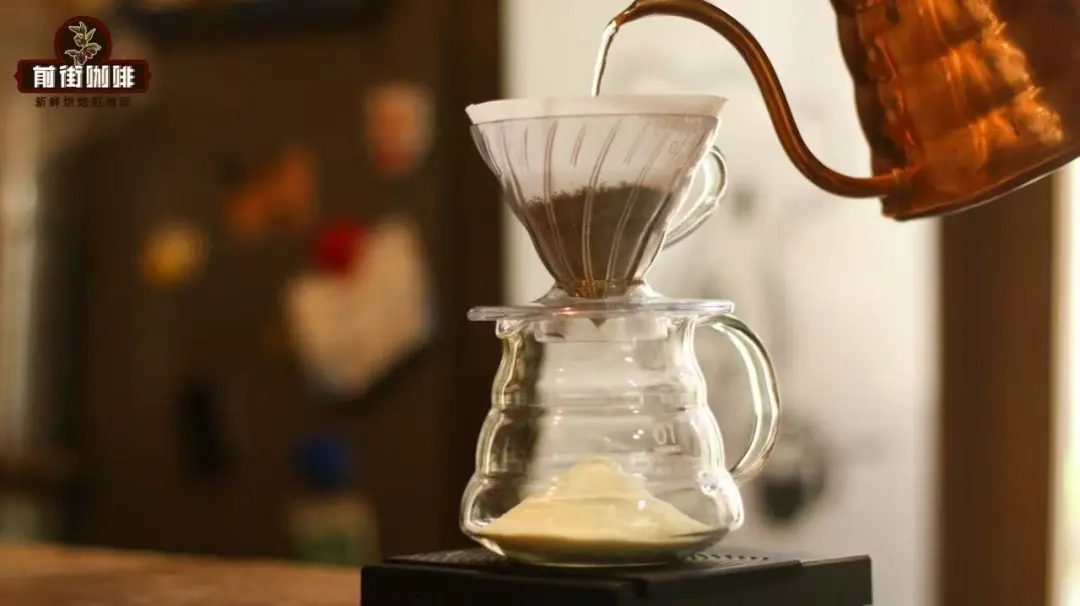
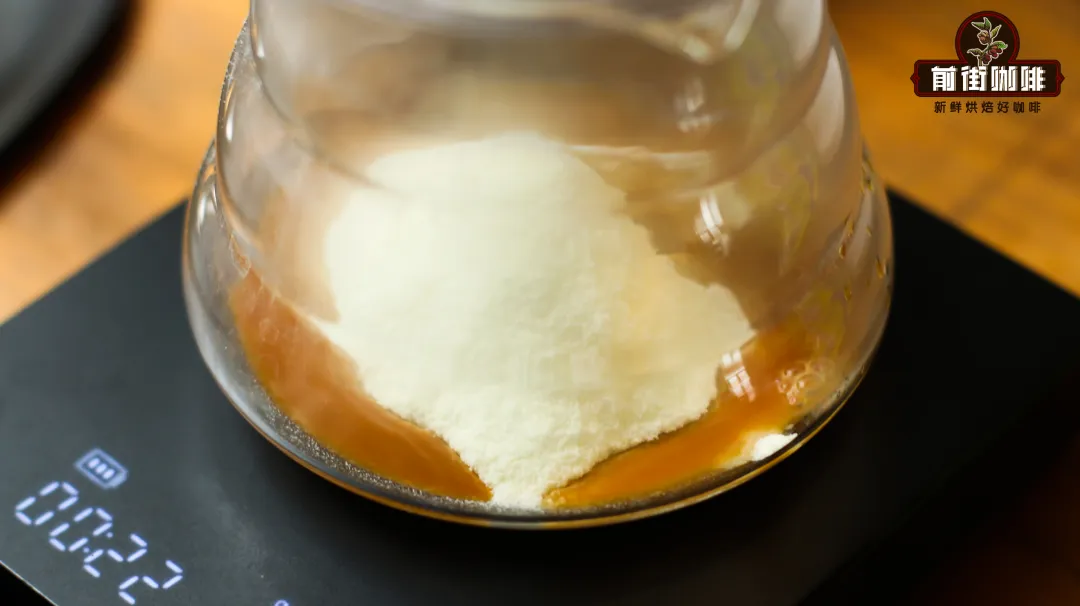
After completing the pour over, it’s recommended to add powdered milk at a 1:2 ratio (i.e., the ratio of coffee powder to powdered milk; the actual ratio can be adjusted to taste). You can place the powdered milk in the cup or lower container in advance, and stir it thoroughly after the coffee liquid has been brewed to ensure full dissolution. This method produces a milk coffee with a smooth texture and high flavor integration—not watery at all—and can even bring out unique aromas reminiscent of grape milk, which is quite appealing.
If you want to make iced milk coffee, it’s advised to keep the same coffee-to-powdered milk ratio, but still follow the methods of cold drip or cold brew, ensuring the powdered milk is fully dissolved before ice is added to avoid affecting the taste.
II. Espresso with Powdered Milk: Challenges and Techniques for Frothing Milk
If you just want to try making a latte with powdered milk instead of fresh milk, the process is relatively simple—just dissolve the powdered milk in hot water and then mix it with the espresso. But if you want to take it a step further and try latte art, you’ll need to “restore” the powdered milk into a “milk liquid” that can be frothed. At this point, it’s important to pay attention to the proper ratios of powdered milk, hot water, and ice to achieve a concentration and temperature similar to that of fresh milk.
Based on multiple tests, if using medium-dark roasted coffee beans, it’s recommended to use a ratio of powdered milk, hot water, and ice of 1:3:2. This creates a reconstituted milk with moderate concentration and temperature, which helps stabilize frothing and improves latte art performance. In practice, it’s advised to use hot water at around 50°C to brew the powdered milk, avoiding high temperatures that could damage the milk quality. For example, using 20 grams of medium-dark roasted coffee beans to extract 40 milliliters of espresso, the powdered milk dosage would be 40 grams, hot water 120 milliliters, and ice 80 grams.
It’s worth noting that milk liquid reconstituted from powdered milk is less likely to produce fine microfoam. It’s recommended to extend the frothing time to achieve enough foam to support latte art. Otherwise, you may end up with insufficient foam or unclear patterns.
In summary, whether you want to enjoy the fun of milk coffee in a simple way or aim to challenge yourself by frothing milk with powdered milk to create latte art, as long as you master the correct ratios and operational details, you can easily make a latte or au lait at home that rivals those from professional shops. Now, get hands-on and explore your own personalized powdered milk coffee recipe!
The above content is compiled by CoffeeHunters, a coffee news website.


