








Introduction:Determining whether coffee beans are fresh doesn’t actually require complex instruments. By mastering a few key observational points, you can uncover the answers during the brewing process. This article will guide you through five practical aspects—such as the size of the bloom, the thickness of espresso crema, the flow rate of the coffee bed, and aroma performance—to deeply analyze how to assess the freshness of coffee beans. It also covers additional details on how roast levels and bean varieties affect crema performance, helping you more accurately select and evaluate your coffee beans.
Whether coffee beans are fresh can be revealed through many signs during the brewing process. After roasting, coffee beans contain a large amount of carbon dioxide, which is gradually released over time. The volume of these gases directly impacts the size of the bloom during the blooming stage, the thickness of the espresso crema, the water retention and flow rate of the coffee bed, and even the intensity of the aroma. With the right observation methods, you can easily determine whether the beans are at their optimal flavor period.

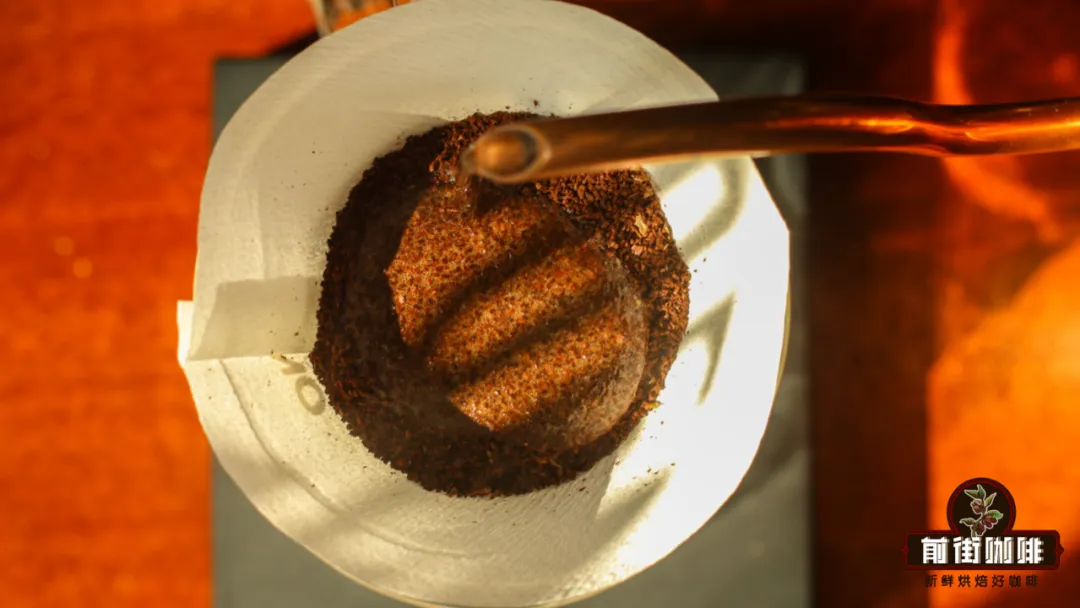
First, observing the blooming stage of a pour over is an intuitive way to start. When hot water comes into contact with coffee grounds, the carbon dioxide within the grounds quickly releases. However, because the saturated coffee bed forms a tight structure, the gas cannot escape immediately, causing the coffee bed to expand and form what’s called the “bloom.” If the bloom is noticeable and sustained, it indicates that the beans still have ample carbon dioxide, usually meaning they are relatively fresh. Conversely, if there’s almost no expansion of the coffee bed during the bloom, it may suggest that much of the carbon dioxide has dissipated, indicating the beans have been stored for a longer time.
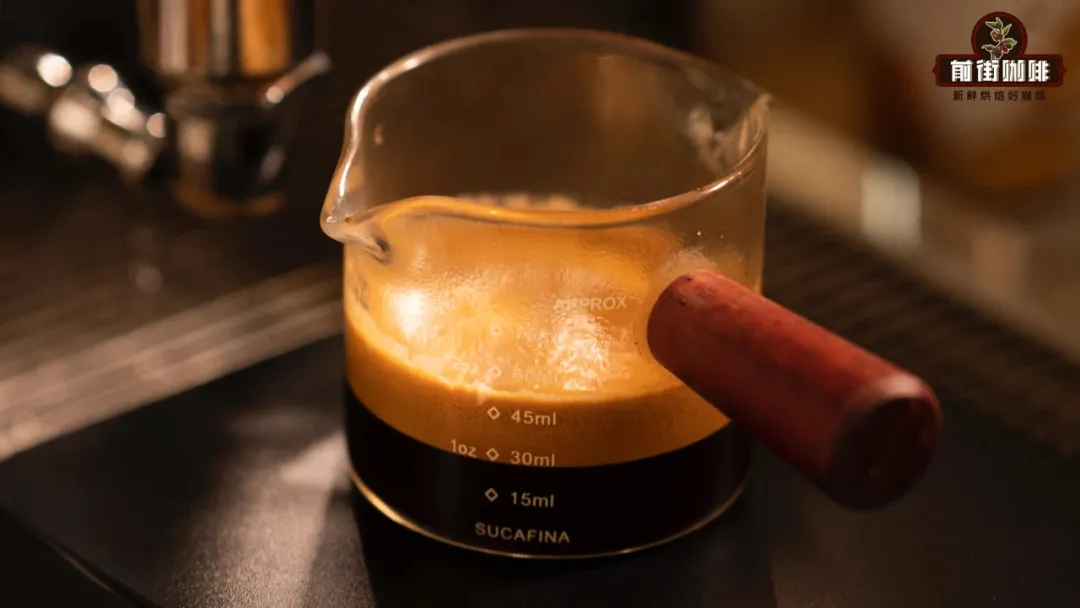
Another直观 indicator is the espresso crema—the golden layer of foam on the surface of an espresso shot. This foam is actually a layer of bubbles formed under high pressure when carbon dioxide combines with emulsified oils and proteins. Fresh coffee beans, containing more carbon dioxide, can produce a richer and more stable crema under high pressure. It’s important to note that the thickness of the crema also depends on the roast level and bean variety. For example, dark roasted beans often produce a more pronounced crema due to both the increased carbon dioxide produced during roasting and the greater release of oils.
Taking common blend beans as an example, some recipes include Robusta beans, which naturally have higher oil content. When paired with a dark roast, the extraction often results in a shiny and long-lasting crema. Additionally, popular blend beans like Mandheling and Brazil can contribute layers of chocolate, nut, and caramel aromas to the espresso based on their inherent flavor characteristics, further enhancing the overall drinking experience.
In addition to observing the bloom and crema, the water retention capacity of the coffee bed and the brew flow rate are also key indicators for assessing freshness. When the carbon dioxide inside the coffee beans is sufficient, the bubbles occupy some space during extraction, increasing resistance to water flow, which helps the coffee bed better “retain” the hot water and slows down the drawdown, resulting in a more even extraction. On the contrary, if the carbon dioxide content is low, water tends to pass through the coffee bed too quickly, leading to under-extraction or excessively fast flow. Therefore, under the same grind size and water temperature settings, if you notice unusually fast water passing through the coffee bed, it might be a sign that the beans are no longer very fresh.
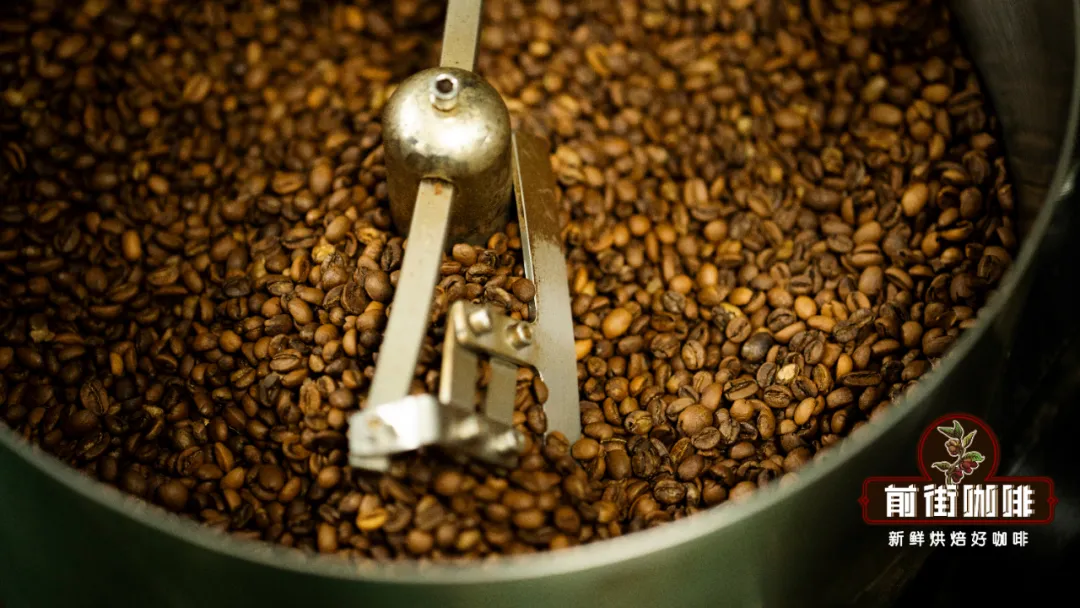
Aroma is also a supplementary factor in assessment. Fresh coffee beans will release rich and pronounced aromas—from popcorn- or nut-like notes during grinding to fruity, floral, or caramel scents after brewing—all showcasing the vitality of the beans. Over time, these volatile aromatic compounds gradually dissipate, causing the aromas during brewing to become dull and the cup profile to decline. However, since aroma is greatly influenced by environment and brewing techniques, it’s recommended to combine this observation with other indicators for a more accurate assessment.
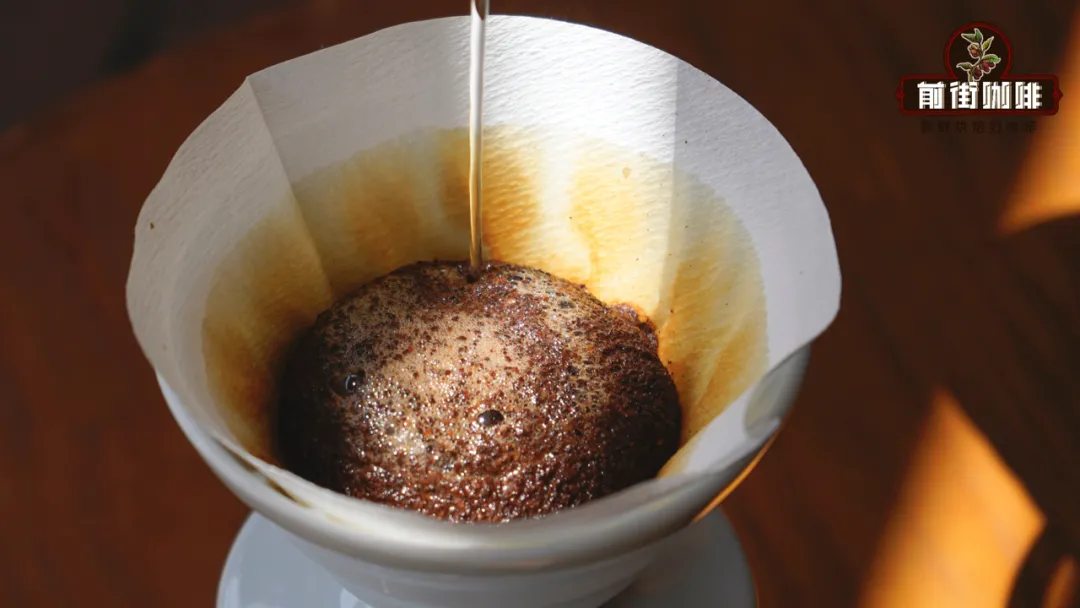
In summary, assessing coffee bean freshness can be approached from the following five aspects: First, the bloom during the blooming stage—the larger the bloom, the fresher the beans tend to be; second, the crema thickness of espresso—a rich and lasting crema often comes from fresh and properly roasted beans; third, the water retention and flow rate of the coffee bed—excessively fast flow may suggest insufficient carbon dioxide; fourth, the overall richness and complexity of the aroma—fresh beans exhibit clear and layered aromas; finally, don’t forget to take into account the roast level and the characteristics of the bean variety, as these all influence the final observations.
Once you’ve mastered these techniques, you’ll be able to more confidently evaluate the condition of your beans when selecting or brewing coffee, and adjust your brewing parameters accordingly to achieve a more ideal flavor profile. Remember, observation is key—compare more, practice more, and you too can become an expert in determining the freshness of coffee beans.

The above content is compiled by CoffeeHunters, a coffee news website.


